

Photo@ Raymond Galea

Photo@ Raymond Galea
Photo@Joe.Aengwo
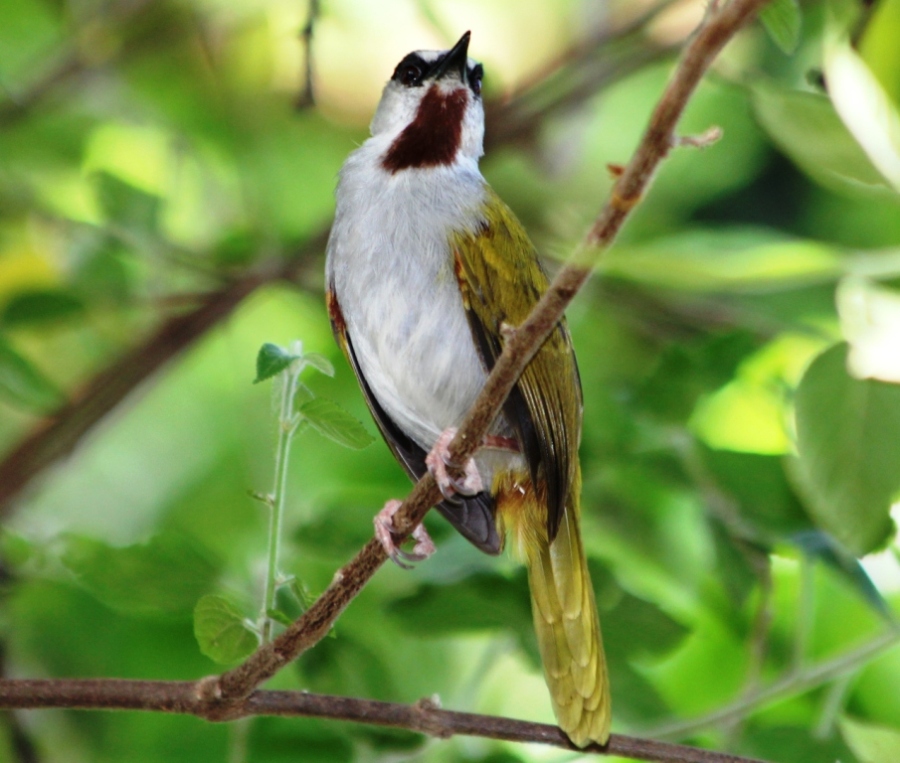
Grey-capped Warbler is a species of bird in the Cisticola family (African Warblers).It is the only species in the genus Eminia. The Grey-capped warbler is a very melodious in nature and calls continuously for pretty some time and once in a while popping out of is hideout which is mostly undergrowth vegetation in forest and thick bush land for lower altitude areas. This species has a very large range and can be mostly be in areas like Lake Nakuru, Aberdare and Mt. Kenya National Parks, Lake Naivasha, Mau Forest just to mention a few.
Photo@Stratton Hatfield
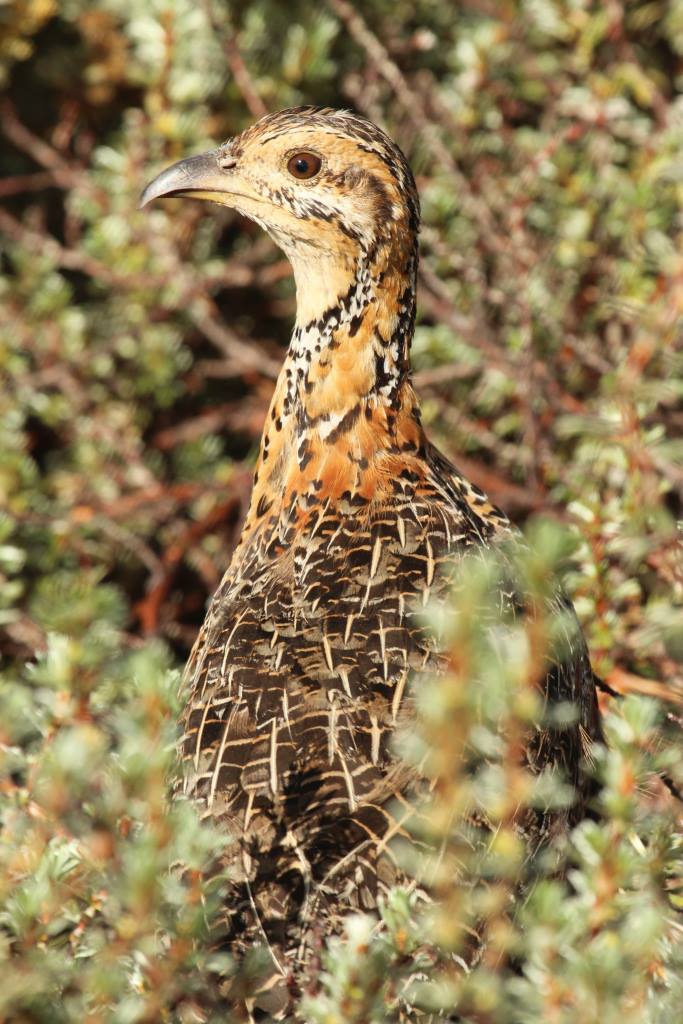
Moorland Francolin is a species restricted to montane forest habitat. In Kenya it can only be recorded in the moorland of Aberdare,Mt.Kenya, Mt.Elgon and Mau escarpment National park. They are often seen in small groups of families.Shelly’s Francolin which is similar species prefer low altitudes.The above photo was taken on Mt.Kenya.

Photo@Raymond Galea
Yellow-throated Sandgrouse is a sexual diamorphic species The female and male both have a buff-yellow chin and throat. The male is olive-brown and unspotted with a black collar on its foreneck. Upper wing-coverts are tipped with a light cinnamon and flight feathers are blackish brown. highs and belly are a dark chestnut. Females are mottled with fine black bars on their chestnut belly.These monogamous birds are also solitary nesters. They lay two to three eggs during the winter. The female incubates the eggs during the day and the male incubates them at night, for a total of 26 days. The female and male both care for the chicks when they hatch.They are seed and grains eaters.The bird appearing above was photographed inside Ngorongoro Crater.The yellow-throated sandgrouse is the largest of the five Kenyan Sandgrouses.In Kenya it is best seen in areas found in Southern part of the Country around Amboseli, Masai Mara and Tsavo west national park.

Photo@Michael Sammut
Hilderbrandt’s Starling is a red-eyed, and generally darker-toned than Superb Starling without a white breast band or vent. This species is confined to open woodland and open thorn bushes found in Arid and Semi-arid areas of the Great Rift Valley and the lower eastern Kenya.
Photo@Morton Kelemen
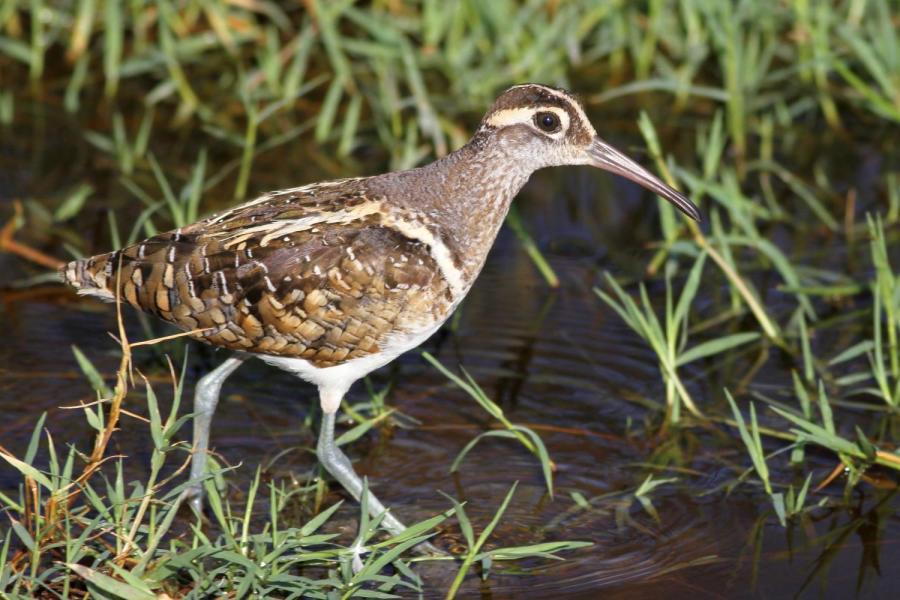
A medium-sized, attractive water bird, the greater painted-snipe (Rostratula benghalensis) is unusual amongst birds because the female is larger and more brightly coloured than the male. The female greater painted-snipe has distinct white patches around the eyes, which contrasts the dark red-brown head and neck. The upperparts are dark bronze-green with fine black barring and the wings are dark grey, white and gold. The male greater painted-snipe has a conspicuous golden eye patch that sits in stark contrast with the grey-brown head, ash-grey neck, and white streaked throat.
In Kenya it is widespread from sea level to over 2000m, but uncommon, highly erratic and seasonal. Frequent marshy and lakes like Lake Baringo, Lake Nakuru and central Kenya swamps.
photo@Yan Van Duinne
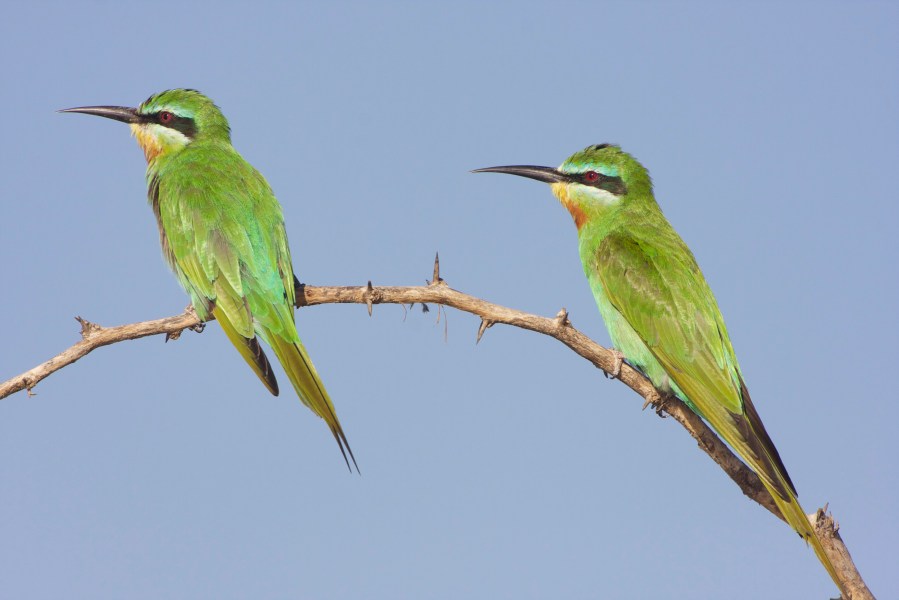
Blue-cheeked Bee-eater is a long tailed, bright green bee-eater with black mask, mostly white forehead,green crown and pale blue or whitish superciliary and cheek stripes conspicuously brighter than surrounding green plumage; yellow chin merges with russet throat. Underside of the wings coppery rufous. First winter birds are duller, more olive than adult, and sometimes retaining pale-edged juvenile feathers ;forehead green, narrowly yellowish bill; chin pale yellowish buff grading into rufous-buff throat patch.
Regular palearctic migrant of late October-early April at lake Victoria and Baringo which is the best place to see them in huge number

Photo@Tony Crocetta
Vitelline Masked Weaver is a common wevar that is at home in and around habitat in the dry acacia belt. It is a species that is similar to large Black-headed Weaver, but can be easily separated given a good view. Although both species have red-eyes and warm-chestnut border to their black faced-mask, the black on the male Vitelline’s head does not extend onto the crown or down onto the breast, and it’s back does not have strong black “tramline” as in Black-headed Weaver.
The female Vitalline shows a pale narrow bill compared to the dark, heavy bill of the female Black-headed weaver, and the breast and flanks are generally a warm buff contrasting with a white belly.
In Kenya huge concentration of this species can be recorded in dry areas a round Lake Bogoria and Baringo, Kerio Valley, Samburu National reserve, Meru National Park and Tsavo West and East Parks.
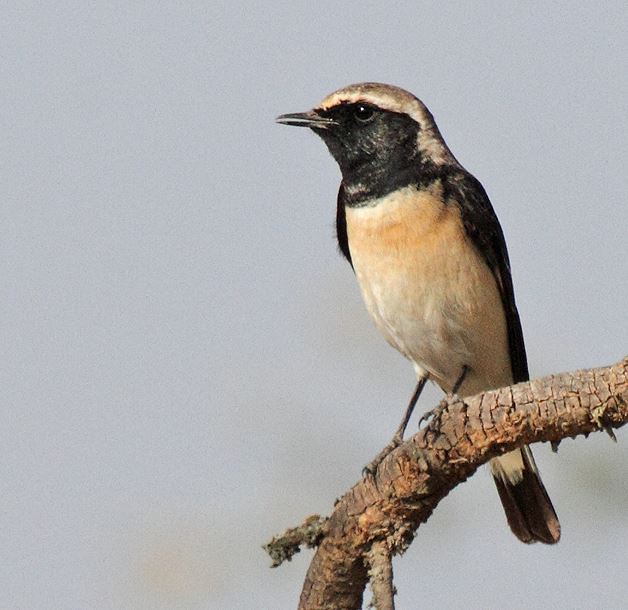
Photo@Raymond Galea

Photo@Tony Crocetta
This is an adult male fan-tailed widowbird, Euplectes axillaris, a member of the avian family Ploceidae, the weaver birds. One of its cousins is the red-billed quelea, Quelea quelea, the most abundant bird in the world.This species has an extremely large range, so incidence of you spotting it while birding in Kenya is very high. They exhibit sexual dimorphism and female appears brown, with the distinctive red-shoulders which clear when the bird air-bone.
In Kenya this species is mostly seen in Masai Mara, mostly a long the northern part of the reserve around the Musiara Swamp.
 Kenya Birding