


I’ve been updating the blog with new sections, including Birding Hotspots in Kenya and East Africa, which I will be updating throughout this week, as well as Birding Trip Reports. Below is the most recently added report from a non-birding tour I hosted over the holidays. Enjoy the Birds! Kenya may have turned my guests into birders!
On my recent trip with two Canadians, which took us to Maasai Mara National Reserve, Lake Baringo, Kaptagat Forest and Diani Beach, we managed to see 155 species, though they were not really serious birders as such. It was more of a Christmas holiday. I was however impressed of how many species came our way!!! Kenyan birdlife is impressive!!! Have a great birding new year. The photos were taken during this trip.
Species seen during the tour:
- Sooty Gull
- White Stork
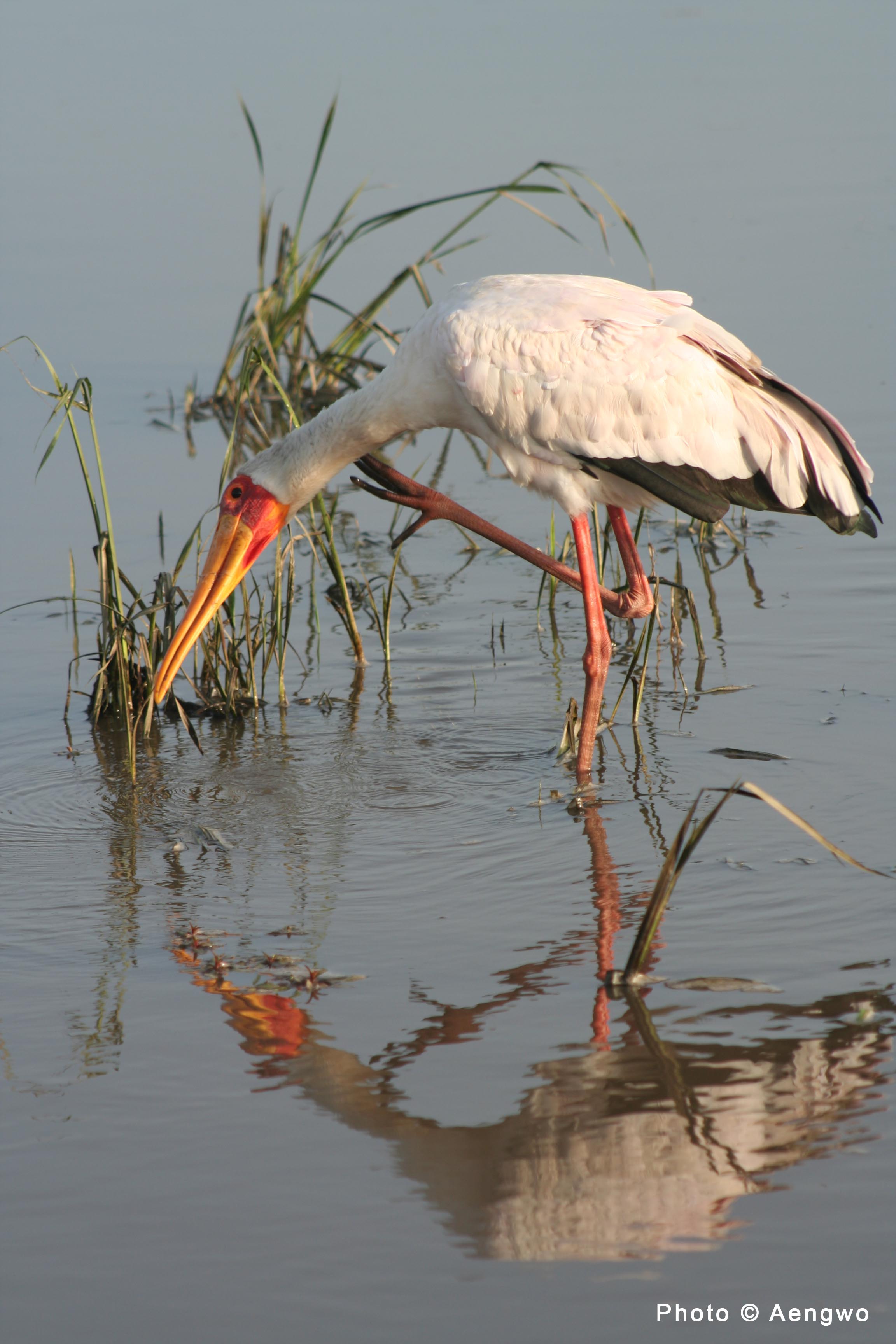
- Yellow-Billed Stork

- Yellow-Billed Stork in the Maasai Mara
- Woolly-necked Stork
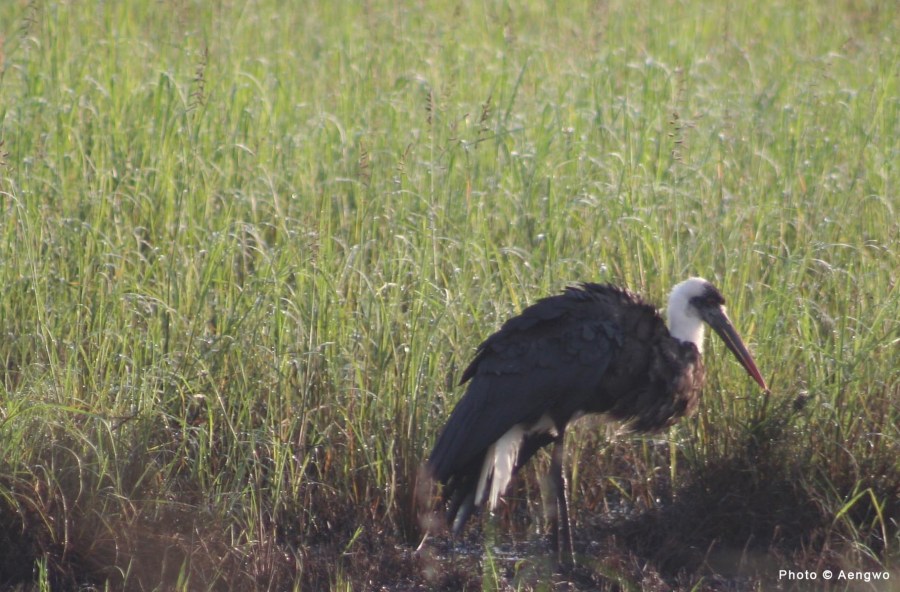
Wolly-necked Stork, Maasai Mara - Saddle-billed Stork
- Black Stork
- African open-billed Stork
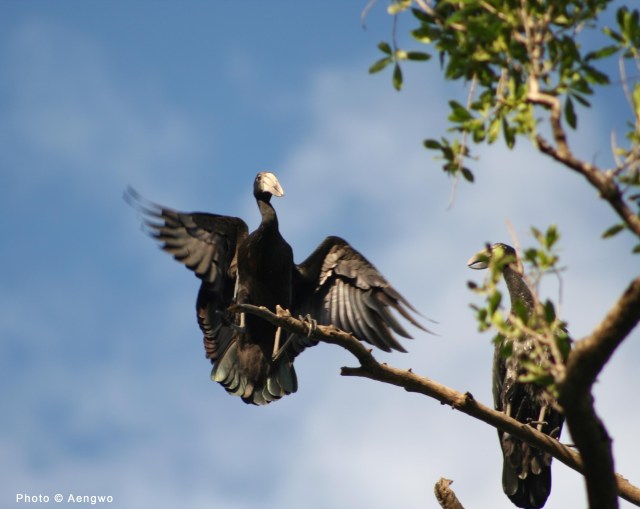
- African Open-billed Stork in Maasai Mara
- Grey crowned Crane
- Marabou Stork
- Glossy Ibis
- Sacred Ibis
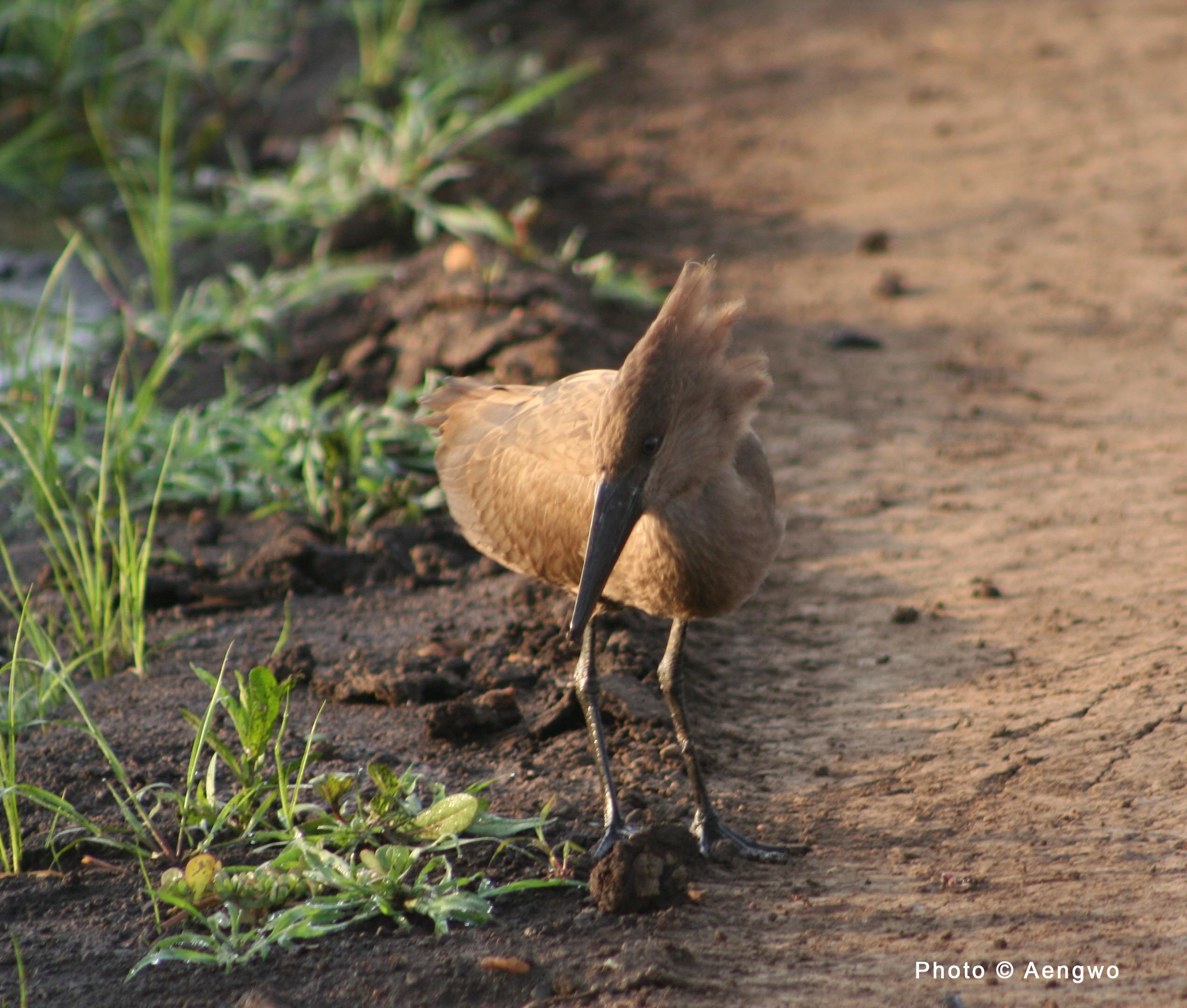
- Hadada Ibis
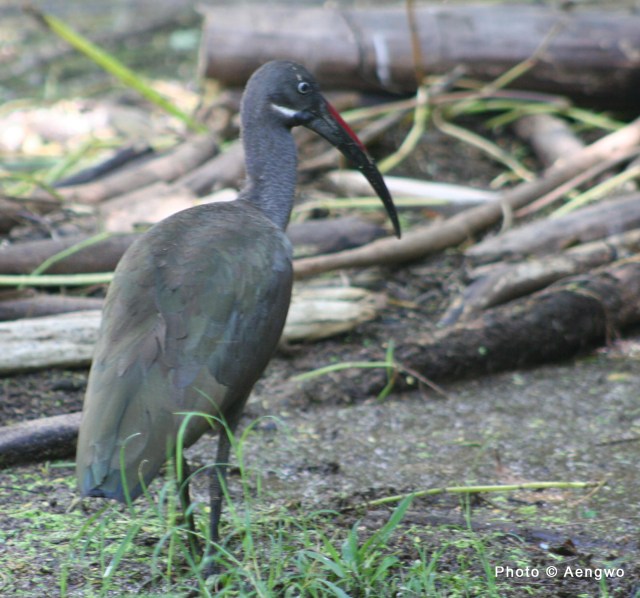
- Hadada Ibis at Lake Baringo
- Lesser Flamingo

- Lesser Flamingo Lake Bogoria
- Greater Flamingo
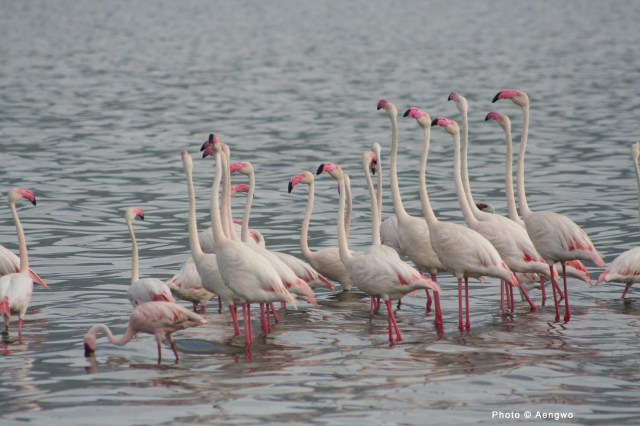
- Greater Flamingo, Lake Bogoria
- Goliath Heron

- Goliath Heron, Maasai Mara
- Black-headed Heron
- Hammerkop

- Hammerkop, Maasai Mara
- Little Bittern
- Squacco Heron
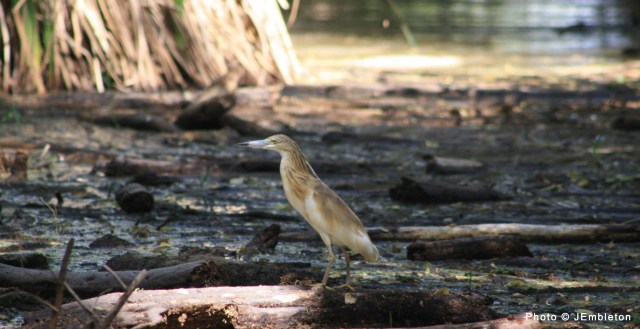
- Squacco Heron, Lake Baringo
- Rufous-bellied Heron
- Green-backed Heron
- Great Egret
- Little Egret
- Cattle Egret
- Dimorphic Egret
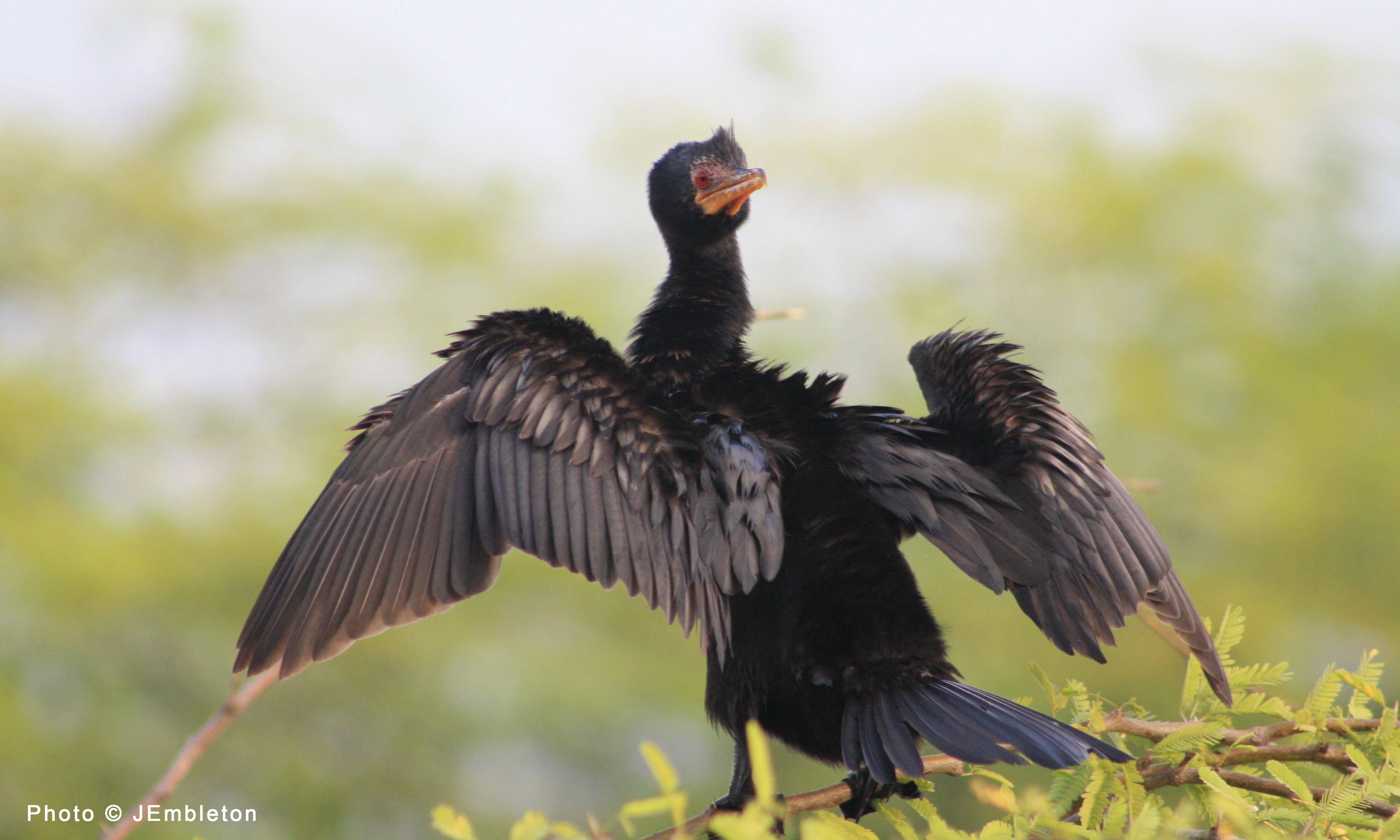
- Long-tailed Cormorant

- Long-tailed Cormorant, Lake Baringo
- African Darter

African Dartar, Lake Baringo - White-faced whistling Duck
- Knob-billed Duck
- Water Thick-knee
- Temminck’s Courser
- Black-winged Plover
- Senegal Plover
- Crowned Plover
- Blacksmith Plover
- Spur-winged Plover
- African wattled Plover
- Little ringed plover
- Common ringed plover
- Little Stint
- Temmink’s Stint
- Broad-billed Sandpiper
- Common Greenshank
- Mash Sandpiper
- Wood Sandpiper
- Green Sandpiper
- Whembrel
- Black-winged Stilt
- African Jacana

- African Jacana, Maasai Mara
- Helmeted Guineafowl
- White-bellied Bustard
- Black-bellied Bustard
- Southern Ground Hornbill
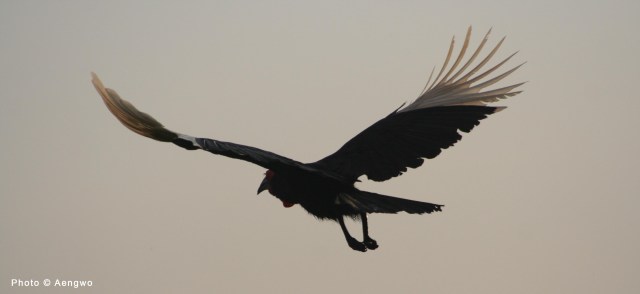
- Southern Ground Hornbill, Maasai Mara
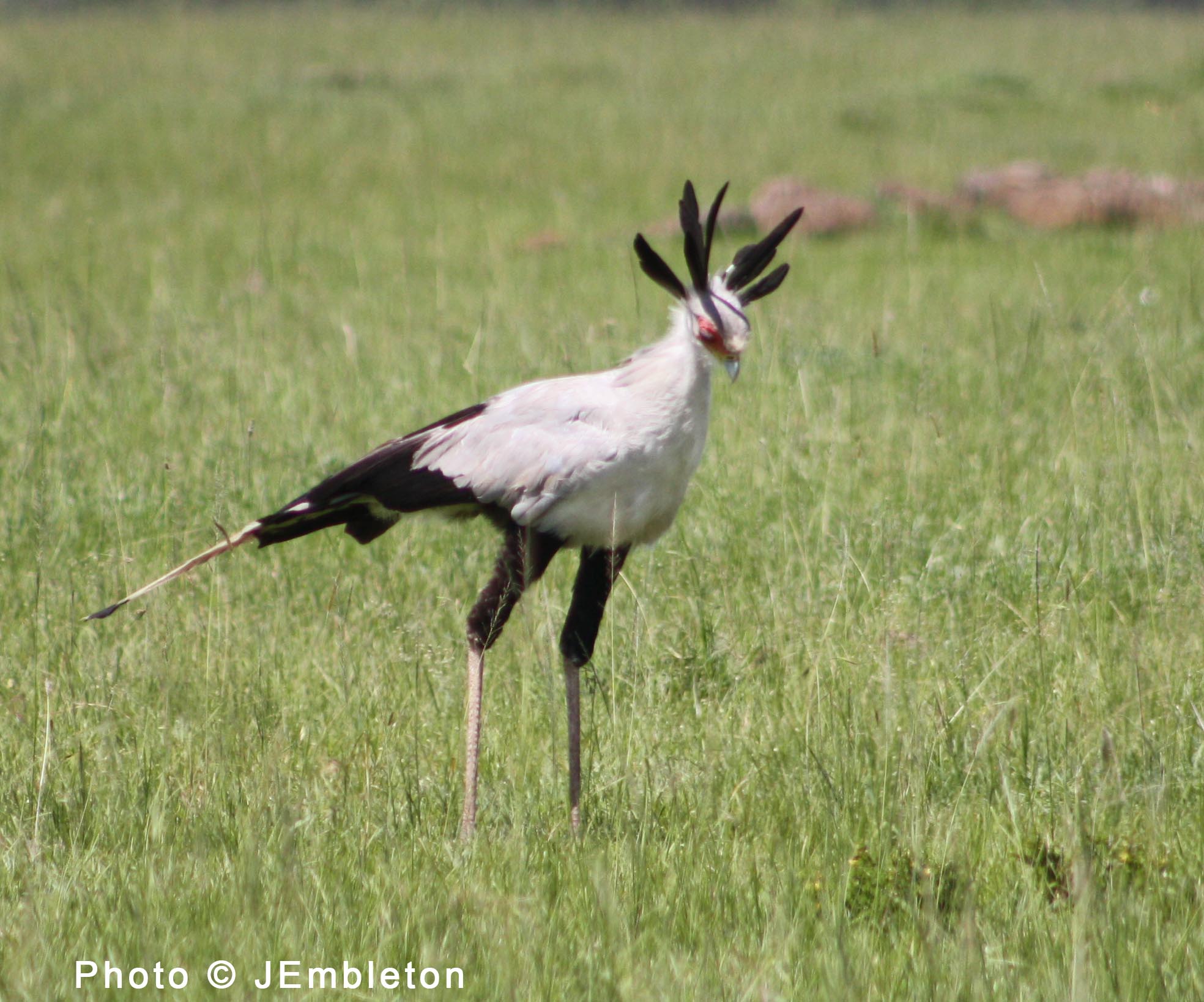
- Secretary Bird

- Secretary Bird, Maasai Mara
- Common Ostrich
- Ruppell’s Griffon Vulture
- African white-backed Vulture
- White-headed Vulture
- Lappet-faced Vulture
- Imperial Eagle
- Tawny Eagle
- Common Buzzard
- Augur Buzzard
- Osprey
- Martial Eagle
- Brown Snake Eagle
- African Fish Eagle
- Little Sparrowhawk
- Shikra
- Great Sparrowhawk
- Lizard Buzzard
- Long-crested Eagle
- Lanner Falcon
- Pygmy Falcon
- African Green Pigeon

- African Green Pigeon, Maasai Mara
- Namaqua Dove
- African Mourning Dove
- Laughing Dove
- Emerald-spotted wood Dove
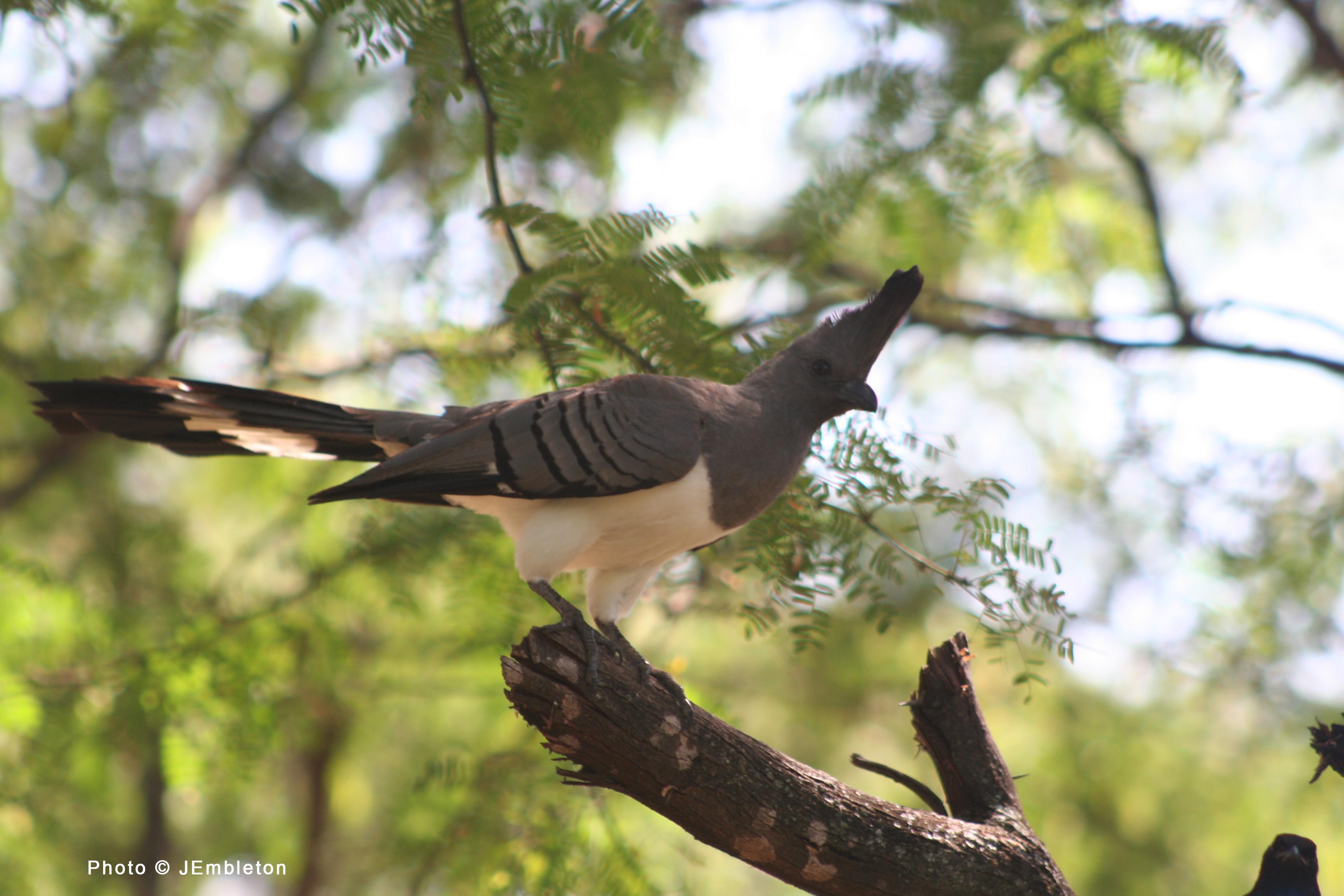
- White-bellied Go Away Bird

- White-bellied Go Away Bird, Lake Baringo
- Hartlaub’s Turaco
- Klaas’s Cuckoo
- Diedrik Cuckoo
- Black and white Cuckoo
- Blue-headed Coucal
- Slender-tailed Nightjar
- Blue-naped Mousebird
- Speckled Mousebird
- Malachite Kingfisher

- Malachite Kingfisher, Lake Baringo
- Woodland Kingfisher
- Pied Kingfisher

- Pied Kingfisher, Lake Baringo
- Little Bee-eater
- Blue-cheeked Bee-eater
- Lilac-breasted Roller

- Lilac-Breasted Roller, Maasai Mara
- African Hoopoe
- Green Wood-Hoopoe
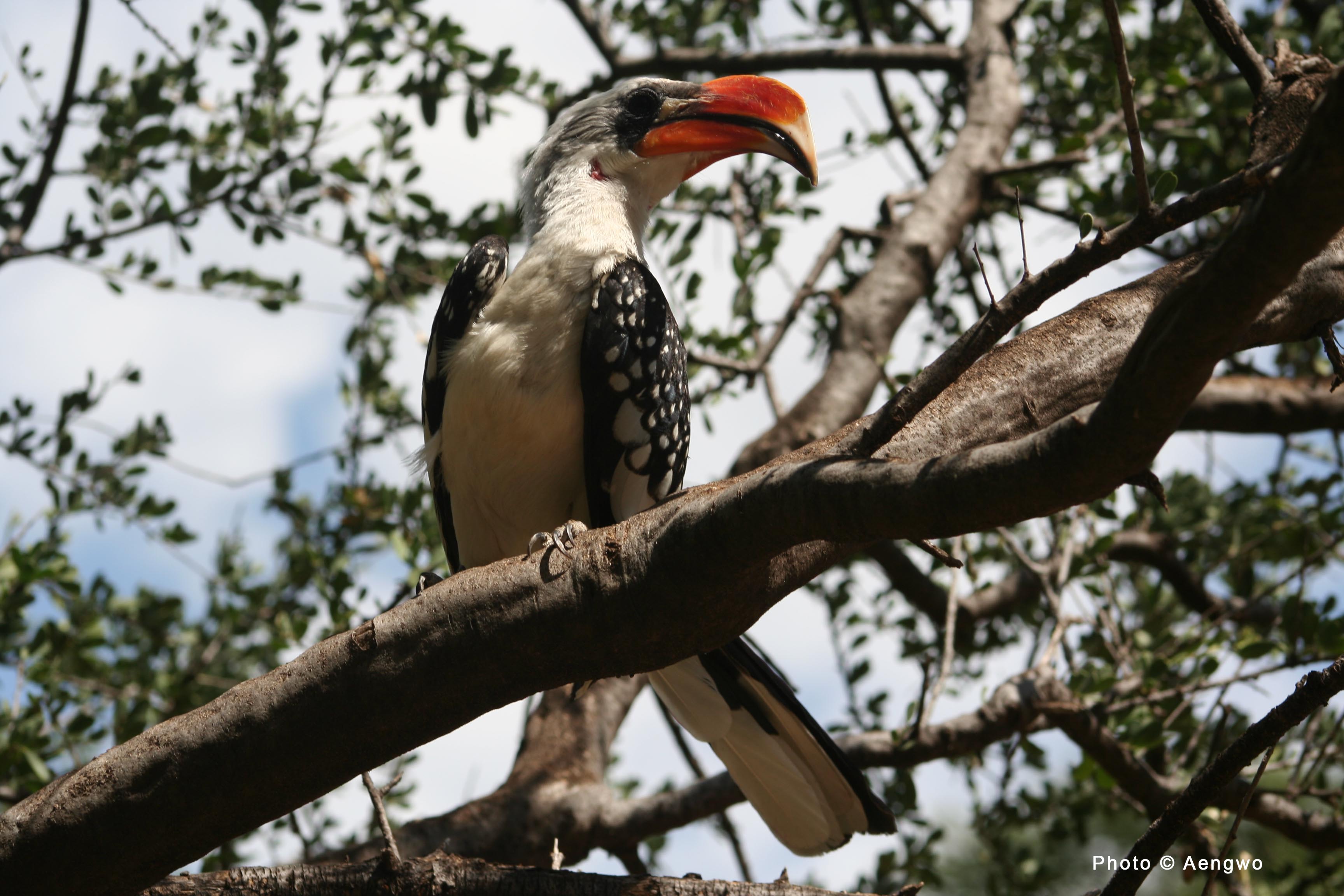
- Jackson’s Hornbill

- Jackson’s Hornbill, Lake Baringo
- Red-billed Hornbill
- Green Barbet
- White-eared Barbet
- Red-fronted Barbet
- Black-throated Barbet
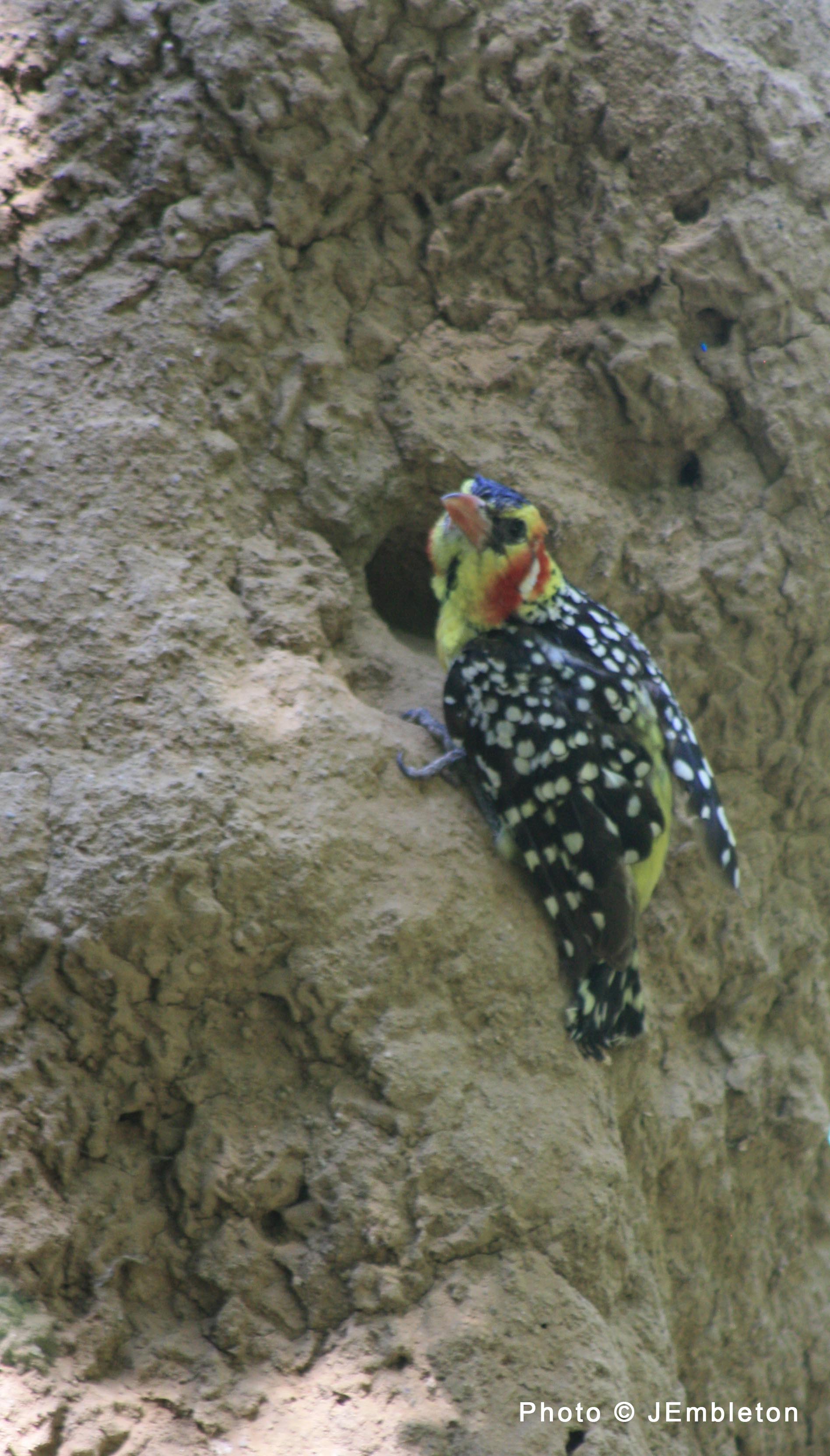
- Red and Yellow Barbet

- Red and Yellow Barbet, Lake Baringo
- Grey Woodpecker
- Nubian Woodpecker
- Lesser Honey guide
- Rosy-breasted Longclaw
- Yellow-throated Longclaw
- Grassland Pipit
- Rufous-naped Lark
- Common Bulbul
- Ruppell’s Long-tailed Starling
- Superb Starling
- Bristle-crowned Starling
- Black-headed Oriole
- Pied Crow
- House Crow
- Brubru
- Three-streaked Tchagra
- Northern Puffback
- Grey-headed Bush-shrike
- Northern-white crowned Shrike
- Pygmy Batis
- African-grey Flycatcher
- African Paradise Flycatcher
- Brown Babbler
- White-Browed Scrub Robin
- Winding Cisticola
- Rattling Cisticola
- Siffling Cisticola
- Zitting Cisticola
- Yellow-breasted Apalis
- Red-fronted Warbler
- Grey Wren Warbler
- Beautiful Sunbird
- Hunters Sunbird
- Eastern Violet-backed Sunbird
- Grey-headed Sparrow
- White-billed Buffalo-Weaver
- White-headed Buffalo-Weaver
- Pin-tailed Whydah
- Hartlaub’s Mash Widowbird
- Fan-tailed Widowbird
- Jackson’s Golden-backed Weaver
- Northern-masked Weaver
- Lesser-Masked Weaver
- Red-cheeked Cordon-Blue
- Purple Grenadier
- Green-winged Pytilia
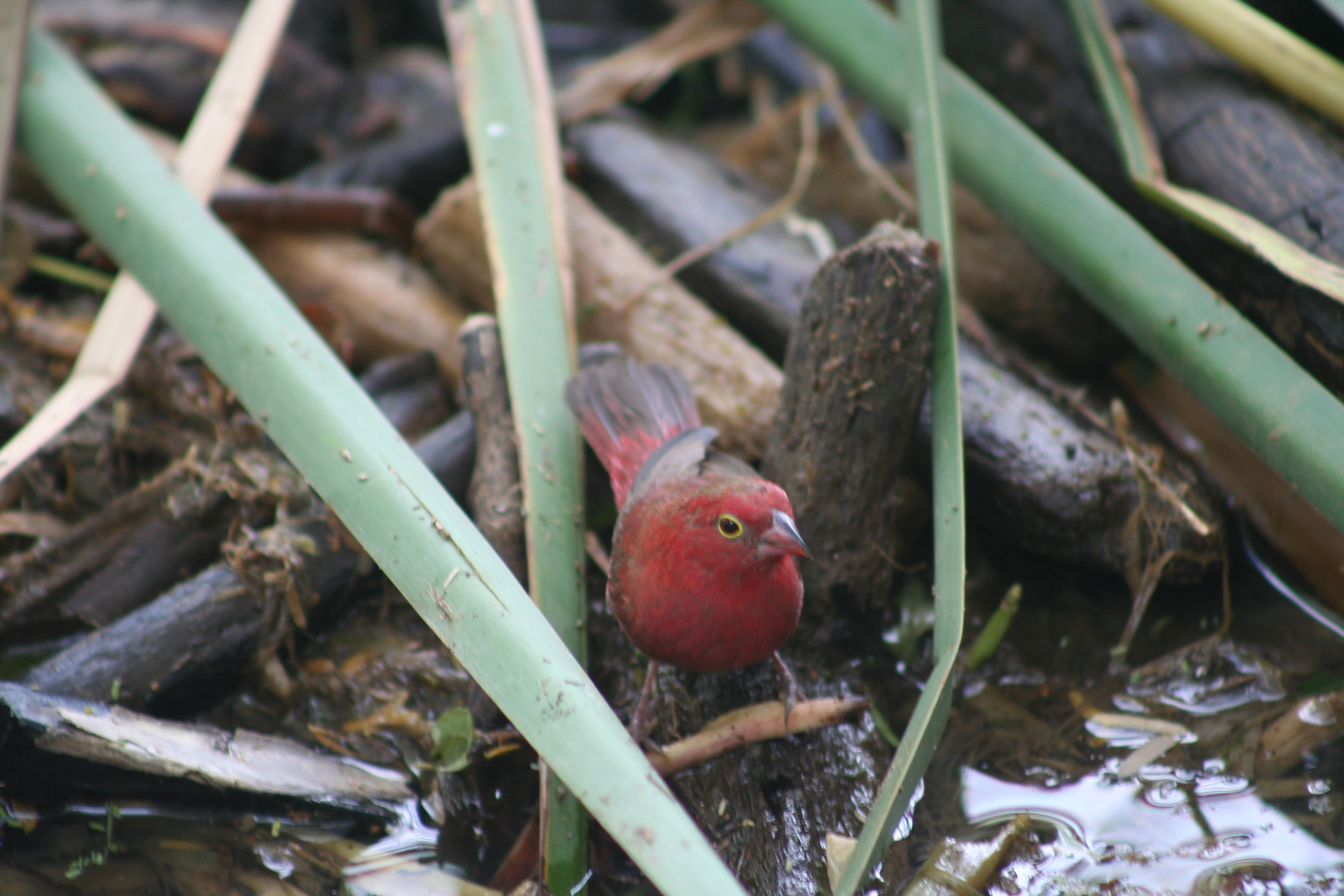
- Red-billed Firefinch

- Red-billed Firefinch, Lake Baringo
- African Citril
- White-bellied Canary
- Yellow-crowned Canary
- Dark Chanting Goshawk

Dark Chanting Goshawk, Lake Baringo - Spotted morning Thrush

Spotted Morning Thrush, Lake Baringo










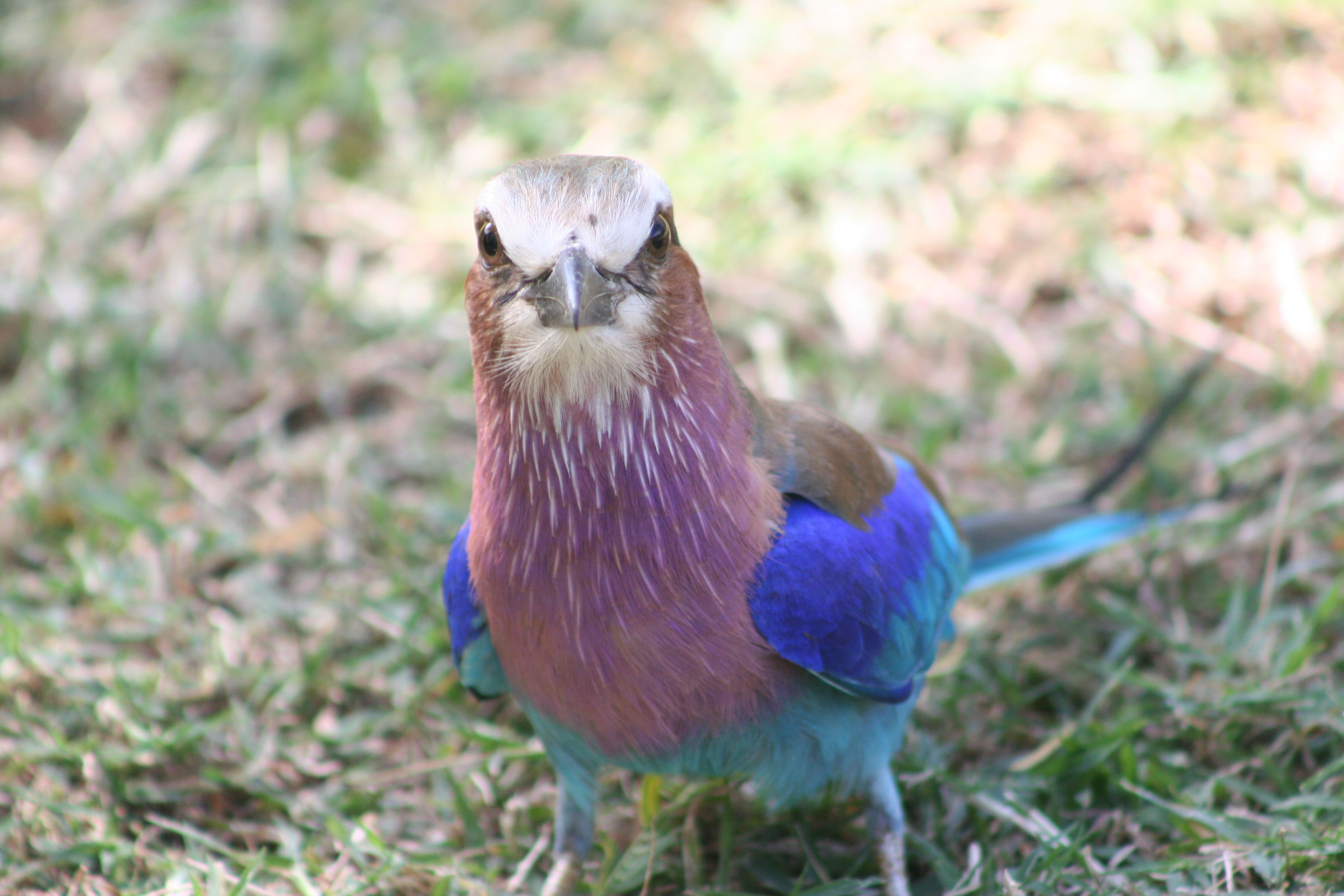
The average size of the Lilac Breasted Roller is 14.5 inches, including the tail streamers. The washed green head is large, the neck is short, the greenish yellow legs are rather short and the feet are small. The beak is strong, arched and hooked-tipped. The tail is narrow and of medium length. The back and scapulars are brown. The shoulder of the wing, outer webs of the flight feathers and the rump are all violet. The bases of the primaries and their coverts are pale greenish blue and the outer tail feathers are elongated and blackish. The chin is whitish, shading to rich lilac of the breast. The underparts are greenish blue. The bill is black and the eyes are brown. It has large wings and strong flight.
Lilac-breasted roller is most cases seen hunting for its food which may range from grasshoppers, beetles and small amphibians. Great photographic chances are found when the bird is foraging in the ground.
It is the most commonly seen roller. It well distributed in Samburu, Lake Baringo and Bogoria, Nakuru, Masai Mara, Amboseli, Nairobi and Tsavo National Park.
This Lilac-breasted Roller was caught posing at the Lake Baringo Club over Christmas. It just couldn’t get enough of having its photo taken. Enjoy this set of photos of this beautiful bird!




Coming up, a report on birds spotted on a recent tour I guided, as well as the bird of the week, and much more!
– Joe
I’ve recently started to record bird songs using a Panasonic mp3 digital recorder and have been using it to call-back with it’s decent audio speaker. I will try to frequently post songs and accompanying photos of the birds singing when possible.
Here is a song of a Grey-capped Warbler (Eminia lepida) that I recorded in Eldoret, Kenya during an urban birding session.
– Joe
Rufous-naped Lark (Mirafra Africana)
The Rufous-naped Lark’s head is coloured brown as well as the bill. The Mirafra Africana has a white coloured throat, pink legs and a brown coloured back. The eyes are brown.
The male Mirafra africana has physical features that are slightly different from the female bird. When the bird is excited it has a richly striped rufous crown. In most observatory incidence the bird tends to call from a raised platform or rather on top of a medium sized tree.
In Kenya, the bird is widely distributed in areas around central Kenya, Lake Naivasha, Maasai Mara and Amboseli National park.

I recently spotted this Rufous-naped lark in the Maasai Mara National Reserve and recorded it’s song.
– Joe
Hunter’s Sunbird is widespread and found in most dry areas of Kenya; especially in wooded and bushed grassland, it will however avoid very dry desert-like environments. It can easily be mistaken for the Scarlet-chested and Amethyst Sunbird.
The adult male is a non-reflective velvety black, with more brownish on the back, and a glittering green crown which appears turquoise; the throat as well as the patch on the bend of the wing is metallic ruby or rose-purple.
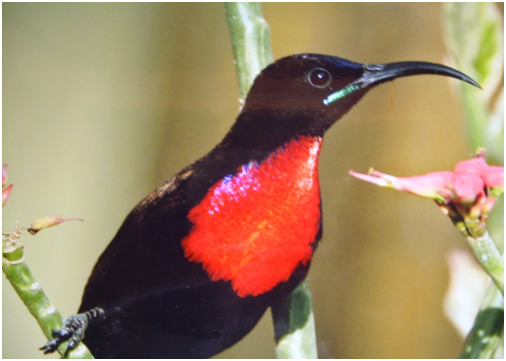
The female is grey-brown above with white edged coverts. The under part is dull white, strongly mottled with sepia-brown on the throat and breast, more faintly on the belly and flanks washed brown, with chin and throat appearing darker .
It has a habit of being shy and solitary. It is widely distributed in dry areas like Samburu and Shaba National Reserve, Lake Baringo, Lake Bogoria and Kerio Valley.
I bird everywhere! Even in the urban landscapes of Kenya, in locations where one wouldn’t expect to be birding, it is possible to spot species with a keen eye. I spotted this Winding Cisticola on the outskirts of a residential area of Eldoret on an evening walk.

 Coming soon your ‘Bird of the Week‘.
– Joe
Although this is not Kenya or East Africa I couldn’t resist posting these incredible photographs of birds by Mortal Coil in Kruger National Park South Africa.
Enjoy my fellow birders!
– Joe

On our self-drive safari adventure in Kruger National Park (see previous entry on the “Big Five” here) we were amazed at the sheer variety and exoticism of the birds we saw. Apparently over 400 species (resident and migratory) call Kruger home, at least for part of the year. The park is really well set-up for birdwatching, with many hides set up next to waterholes and so on, and while I would not in any way call myself a twitcher, I did at least take an interest in what birds crossed paths with me, which is more than I can say at other times in my life.
In any event, we were lucky enough to encounter these fellows during our time in Kruger:
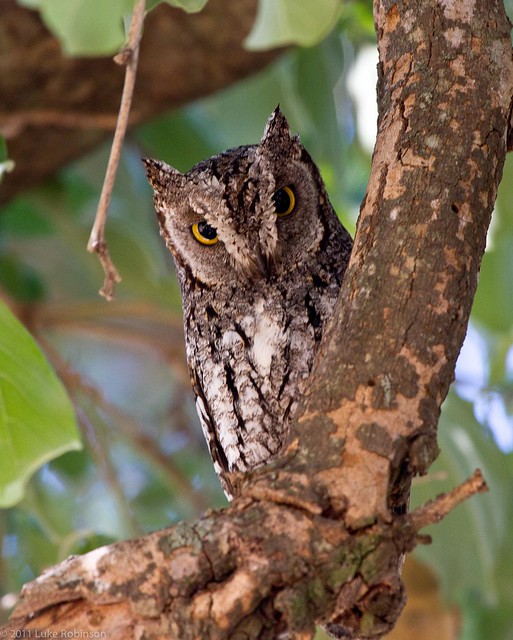
Scops Owl
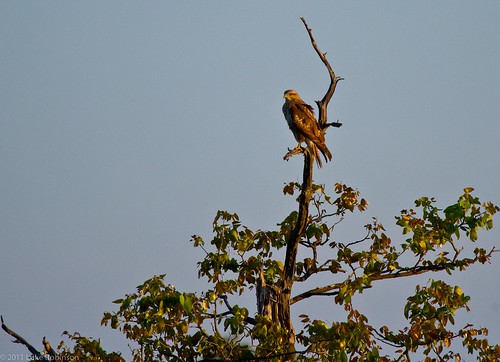
Common/Steppe Buzzard
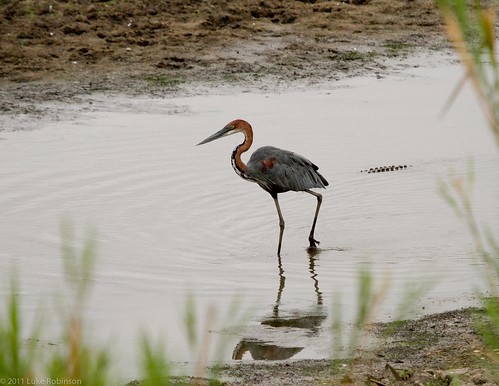
Goliath Heron
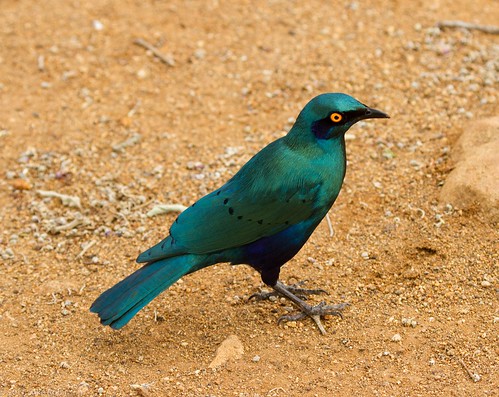
Cape Glossy Starling
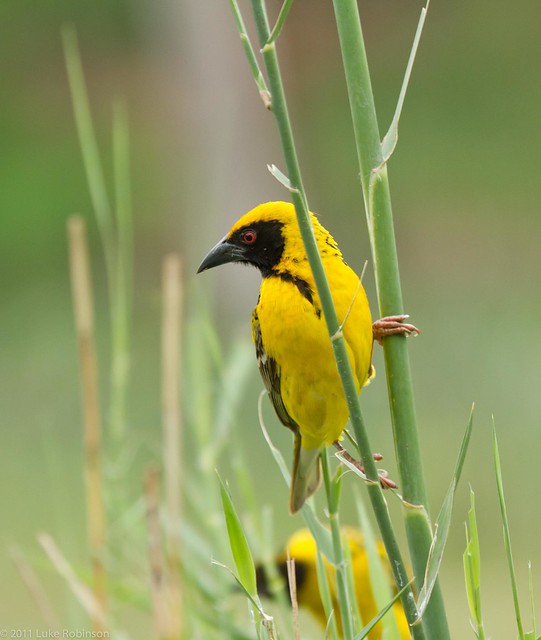
Southern Masked Weaver
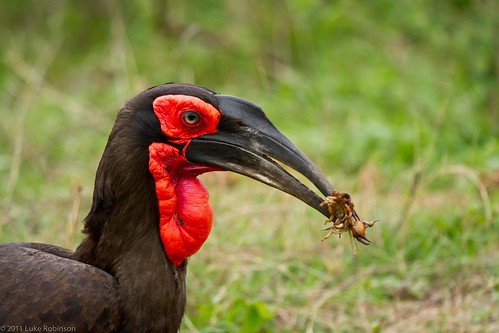
Southern Ground-Hornbill with Scorpion

Common Bulbul in a Bird Bath
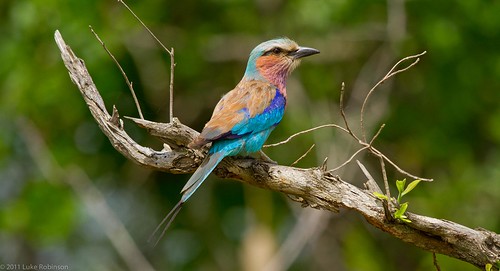
Lilac Breasted Roller

Martial Eagle…
View original post 32 more words
Soaring in the East African skies and magical Kenyan landscapes. Some fantastic and inspiring photographs of birds in flight.

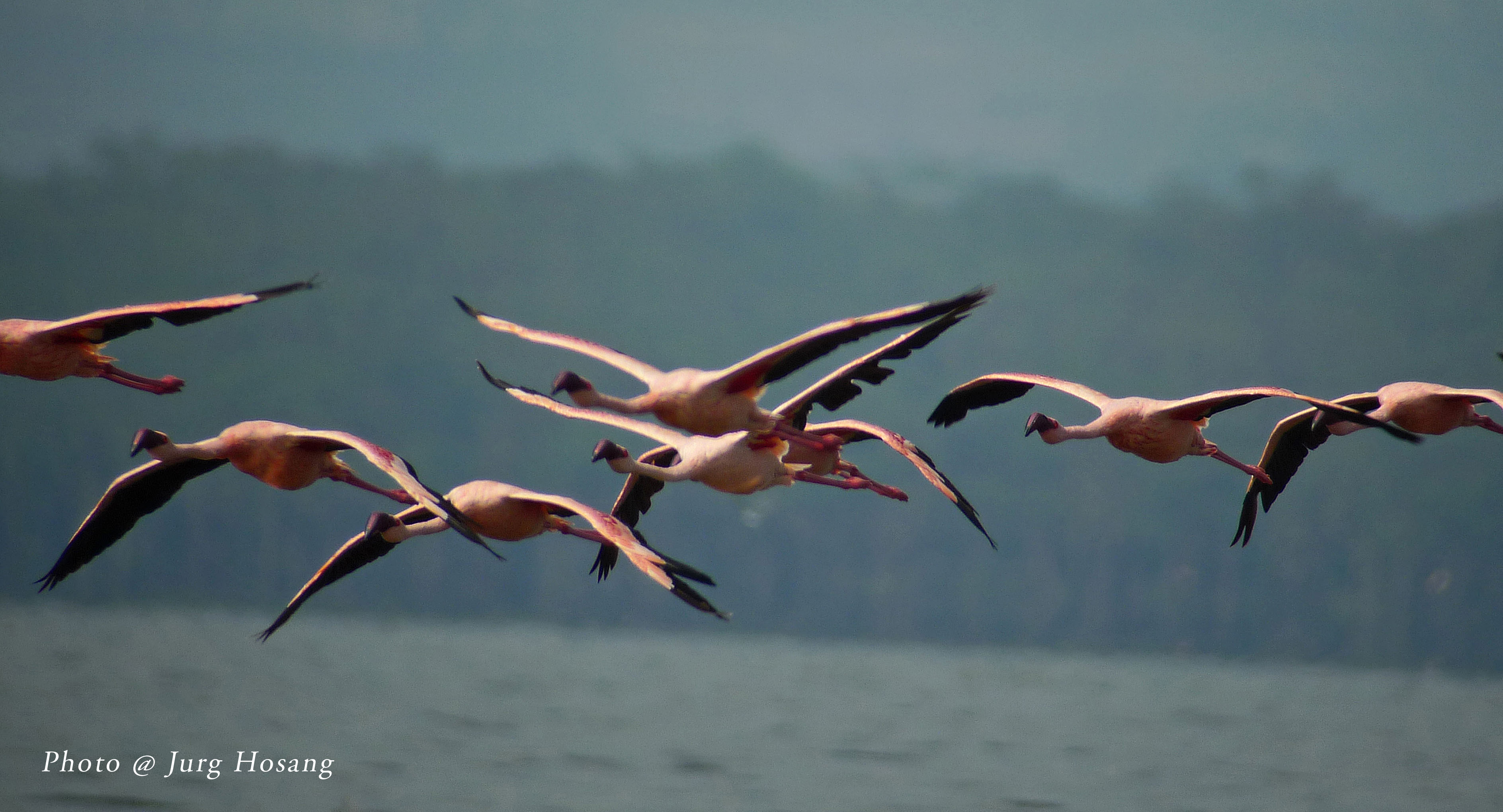


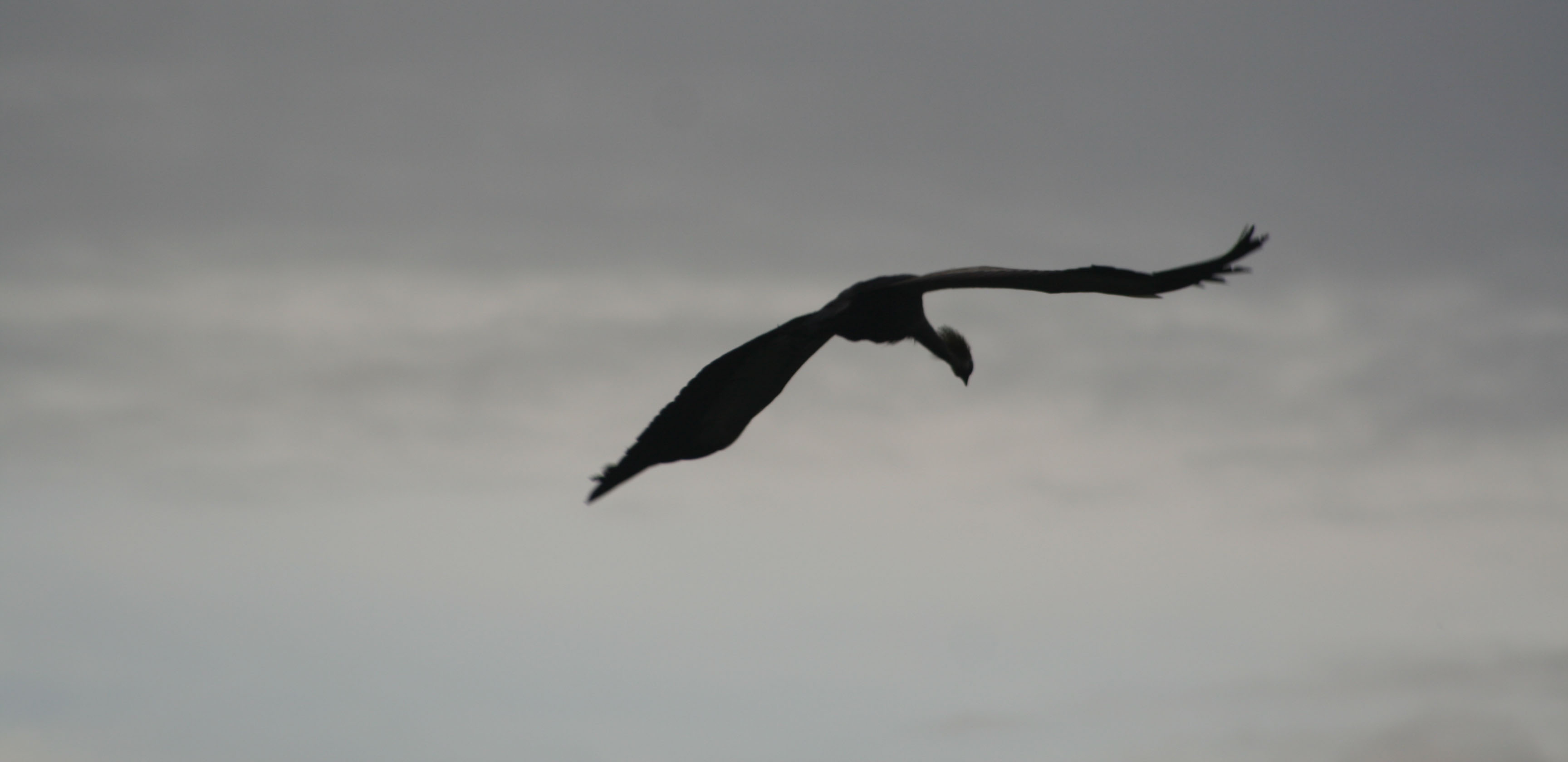
Have a great birding day!
– Joe

