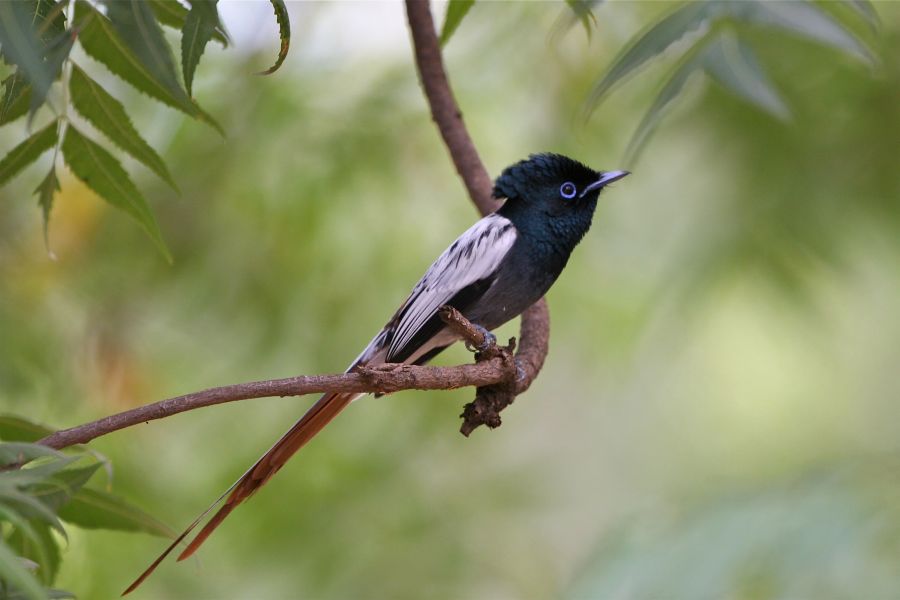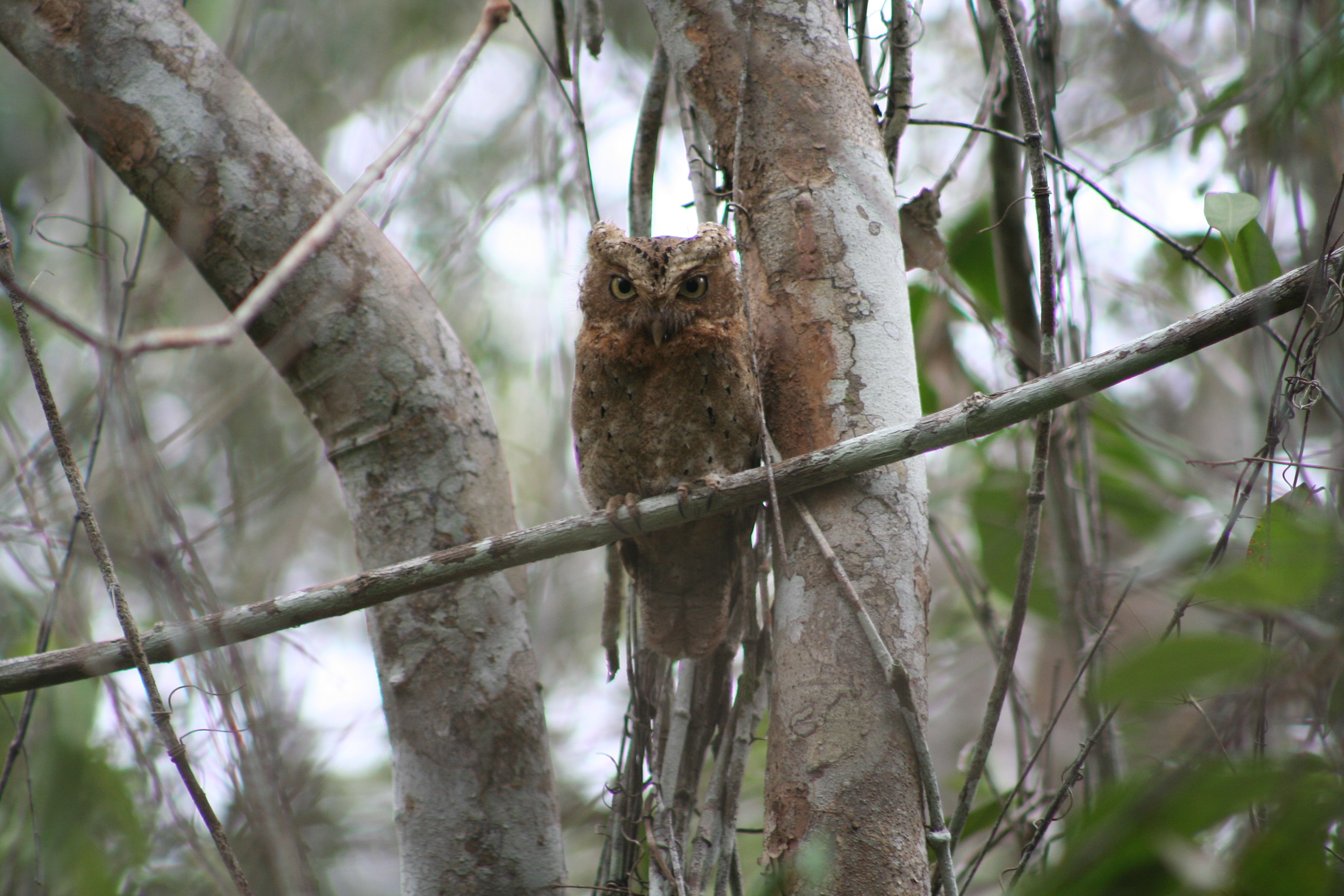
Taita Apalis (Apalis fuscigularis)

photo@Michael Sammut

Taita Apalis (Apalis fuscigularis), a Critically Endangered bird endemic to patches of natural forest in the Taita Hills of Southern Kenya. The entire world range of the Taita Apalis is less than 500 ha (5 km²).

The Taita Hills of South Eastern Kenya are the northernmost reach of the Eastern Arc, one of the world’s 34 biodiversity hotspots (Mittermeier et al. 2004). Human impact is strong in the Taita, where deforestation hits 95% or more (Rogo & Oguge, 2000). The Taita are one of the key sites for biodiversity conservation in Kenya, with numerous endemic plants, vertebrates and invertebrates.
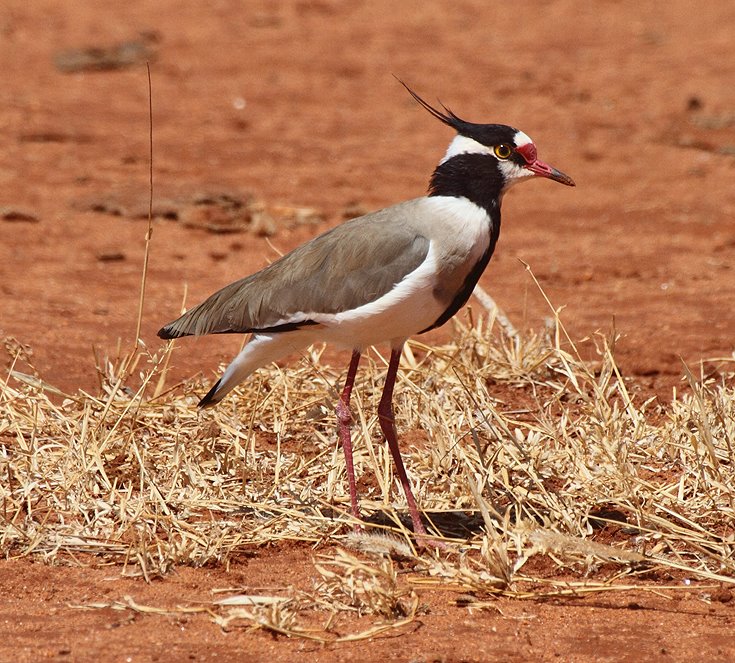
Black-headed Lapwing (Vanellus tectus)

Photo@Michael Sammut

The Black-headed Plover or Black-headed Lapwing (Vanellus tectus) is a species of wading bird of the family Charadriidae. It is found across sub-Saharan Africa.In Kenya specifically, it is found in areas like Tsavo West and East,Lake Baringo, Lake Bogoria,Samburu and Meru National Park. Although not migratory, there is some seasonal movement. Its habitat is wet lowlands close to water. It often feeds in drier habitats, such grassy scrubland.

This bird is readily noticeable and unmistakable. It is medium-large with a mainly black head and white forehead. The lower face and bands across the rear head and nape are also white. The crest is a weak black. The bill and legs are red. The tail is white and tipped black. In flight, the upperwings have black flight feathers and brown coverts separated by a white bar. The underwings are white with black flight feathers.

The diet of the Black-headed Plover consists of insects and other invertebrates that is picked from the ground. The call is a metallic tink-tink.


Hottentot Teal (Anas hottentota)

c@kelemen marton

The Hottentot Teal is a species of dabbling duck of the genus Anas. It is migratory resident in eastern Africa.The Hottentot teal is known for its black-capped head and distinctive blue bill. The duck’s body is speckled brown and black, with black wings.

Monogamous, territorial solitary nester. Interestingly, the pair bond barely lasts beyond incubation, with the male having almost no role in incubation and care of chicks.The female builds the nest, which is a deep bowl in the ground, filled with grass and leaves, often lined with down. It is usually placed in emergent vegetation near water.Laying dates vary with different regions, but usually in February-May.It lays 5-12 eggs, in successive days.Incubation is done solely by the female, for 25-27 days. She will sometimes leave the nest, to join the male in feeding and preening.The chicks are kept hidden in thick reedbeds, which makes them difficult to see. They fledge when they are about 60-65 days old.

Widespread all over Kenya in Swamps like Manguo, Lake Nakuru, Lake Baringo,Lake Bogoria and Lake Naivasha.

African Paradise-flycatcher (Terpsiphone virisidis)

 African Paradise-flycatcher (Terpsiphone virisidis)

Photo@Yan Van Dainne

African Paradise-Flycatcher is a beautiful bird with very long tail which allows sometimes detecting the bird among the foliage.
Plumage is very variable, from rufous to white, with five colours recognized.

Adult male (of all types) has rufous upperparts, upperwing and tail, with variable amount of black and white and greyish underparts.
Head is glossy blue-black with a crest. Central tail feathers are very elongated. In breeding plumage, the upper mandible and the eye-rings become electric-blue.

The male of nominate race has deep rufous upperparts. Wings show conspicuous white edgings.
Underparts are glossy blue-black on throat and breast. Belly is duller, mostly dark grey. Undertail coverts and tail are rufous.
Head is glossy blue-black with dark, thick crest on the crown.
Bill is cobalt-blue with black tip. Eyes are dark brown with thick bright cobalt-blue eye-ring. Legs and feet are bluish-black.