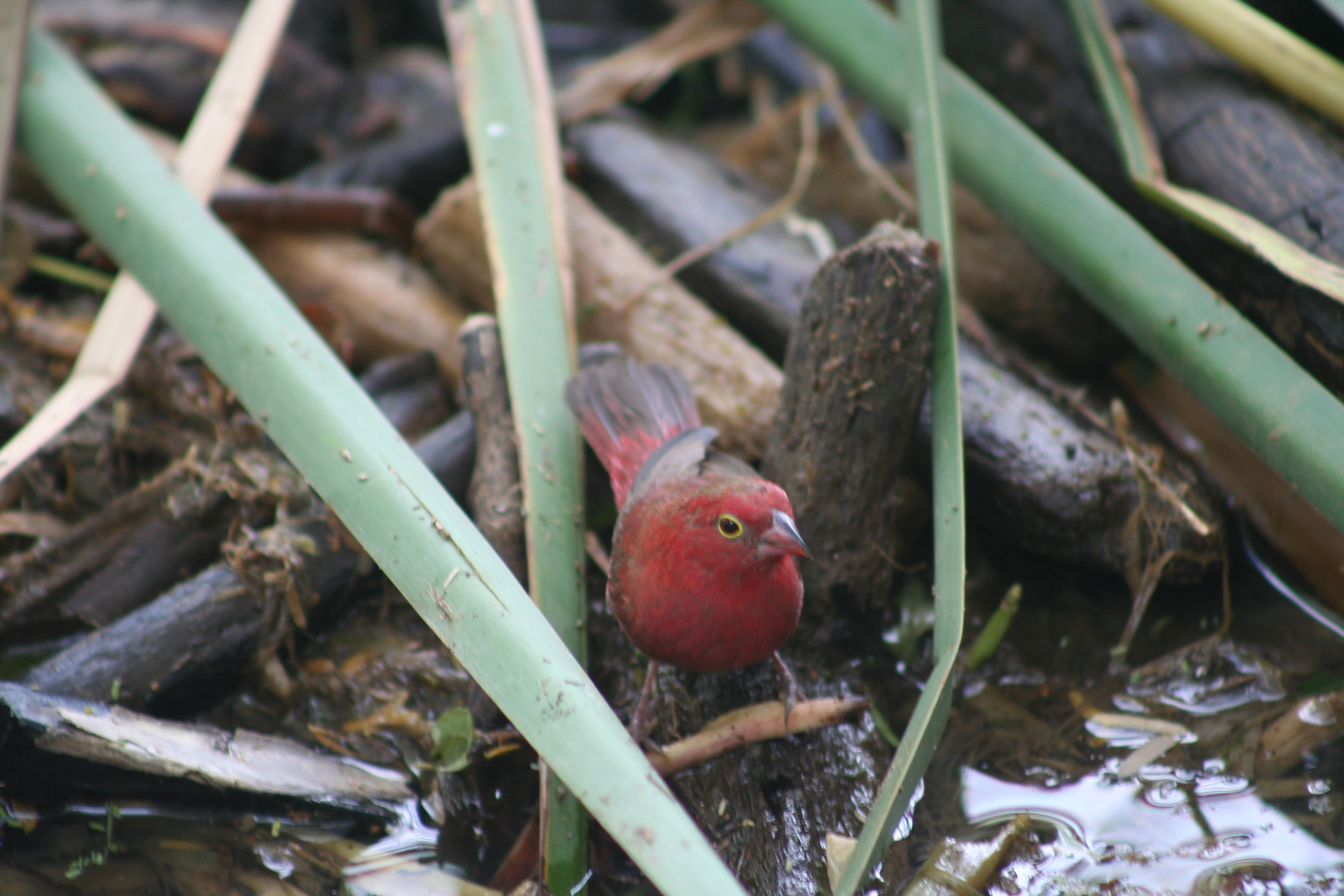
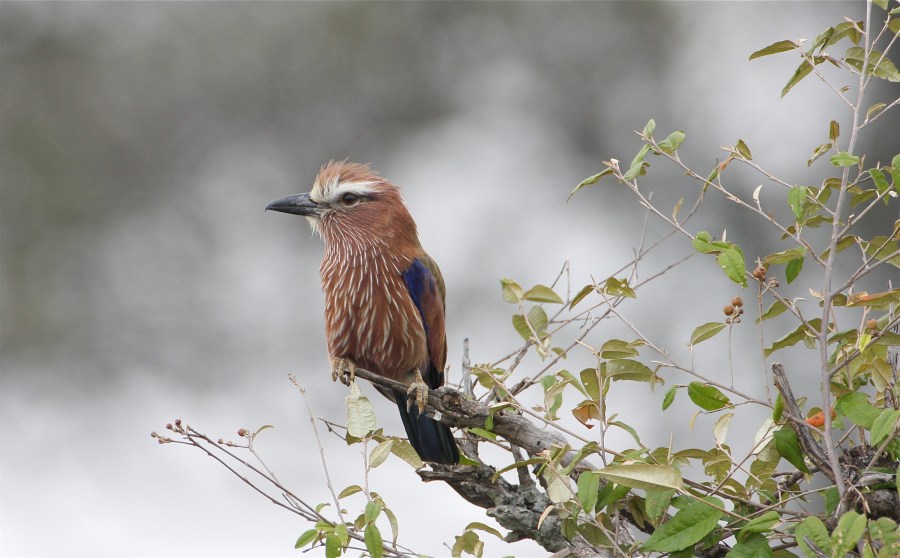
Rufous-crowned Roller (Coracias naevius)

Rofouse-crowned Roller

Photo@Yan Van Danne

Rufous-crowned or Purple Roller has it is sometimes referred to is a very uncommon compared to other species of Rollers, with exception of Abyssinian Roller.It feed on big insect and it can be observed from one spot for some time as it scanned and goes for his prey and returning to the same location .

The bird is generally purple as the name suggest with violet tailed and a little spot on the wing shoulder.It is the biggest roller we have in East Africa, therefore identifying this bird should never be a problem at all.

It is very common in areas around Lake Baringo, Lake Bogoria, Kerio Valley, Kapedo, Samburu National reserve and Meru National Park.
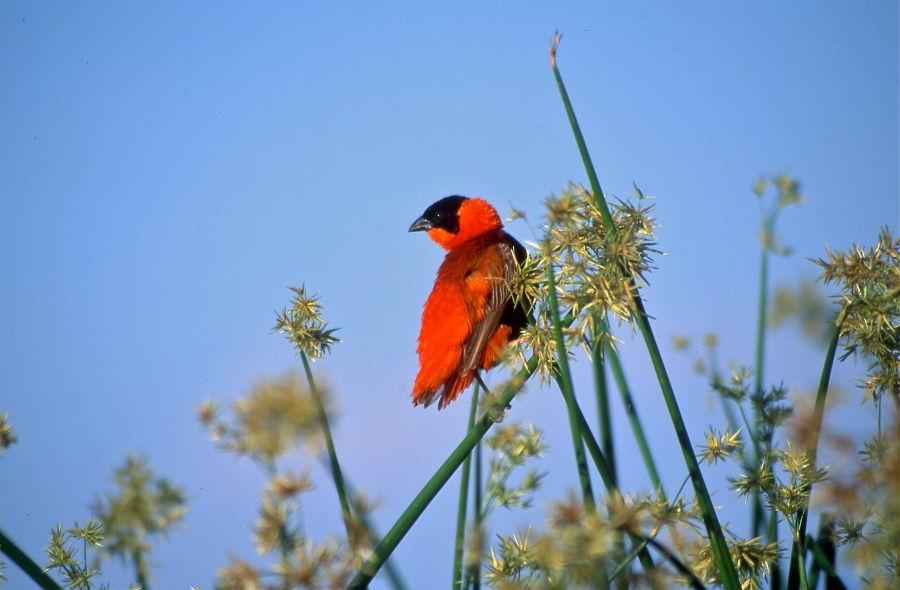
 

Northern Red Bishop (Euplectes franciscanus)

Northern Red Bishop (Euplectes franciscanus)

Photo@Yan Van Danne

Northern Red-Bishop is have sexual dimorphism. Breeding Males has bright red back all the down to the tail, with wing panels being dark brown. The the front head to the face is black with a all black belly.

The male have eclipse plumage when not breeding in order to remain inconspicuous-at this time they resemble the drab female.This dimorphism is indicative of polygymous, colonial breeding species with intense reproductive competition-male taking a number of mates (up to eight) simultaneously or consecutively without offereing assistance in incubation or check-rearing.

He does however protect the territory vigorously from conspecific males. Males display to female with what  is called the “bumble flight” where the back and head feathers are fluffed-giving them the appearance of a bumb-bee. Female feed the chicks by regurgitation.

Locally common in grassland, savanna and wetland in the Rift Valley around the Lakes of Baringo and Bogoria

January 15,2012:Common Ostrich (Struthio camelus massaicus)

Common Ostrich is one of the two species in Kenya, the other is Somali Ostrich found in the northern eastern part of the country. Their distribution in Kenya is widespread. They are the tallest and heaviest birds in the world and belong to a primitive group called rarities. Because of their poorly developed sternum, they do not have the place where the muscle required to aid flight can be attached. They are adopted to terrestrial lifestyle. They can run incredibly fast.

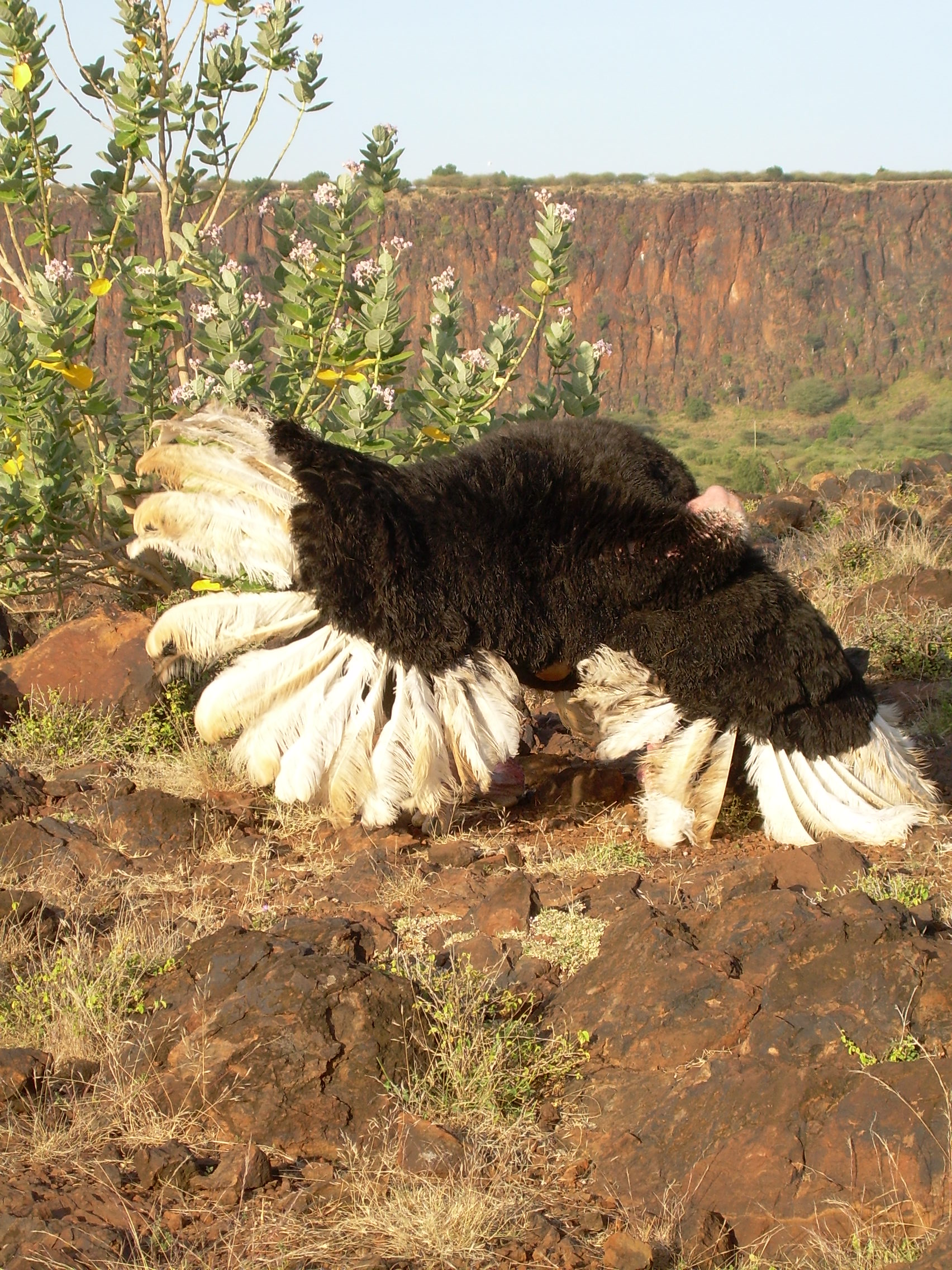
Common Ostrich Dance

Ostriches have sexual dimorphism where the male is brownish black with white wings, tail and neck ring. The female appears in a generally grey-brown with pale feather edge with neck and legs being pale-pinkish.

The photos taken show the male performing their normal interesting courtship display mostly referred to as kantling, whereby they squat down and then sway from side to side while fanning and quivering their outstretched wings. This is thought to induce the female into wanting to mate.

I managed to capture these outside my home in Lake Baringo. This guy is a bit confused as he performed the dance for me! Perhaps I look like a female Ostrich. Enjoy this rare glimpse at the Common Ostrich’s courtship display.


Birding Trip Reports

I’ve been updating the blog with new sections, including Birding Hotspots in Kenya and East Africa, which I will be updating throughout this week, as well as Birding Trip Reports. Below is the most recently added report from a non-birding tour I hosted over the holidays. Enjoy the Birds! Kenya may have turned my guests into birders!

On my recent trip with  two Canadians, which took  us to Maasai Mara National Reserve, Lake Baringo, Kaptagat Forest and Diani Beach, we managed to see 155 species, though they were not really serious birders as such. It was more of a Christmas holiday. I was however impressed of how many species came our way!!! Kenyan birdlife is impressive!!! Have a great birding new year. The photos were taken during this trip.

Species seen during the tour:

  1. Sooty Gull
  2. White Stork
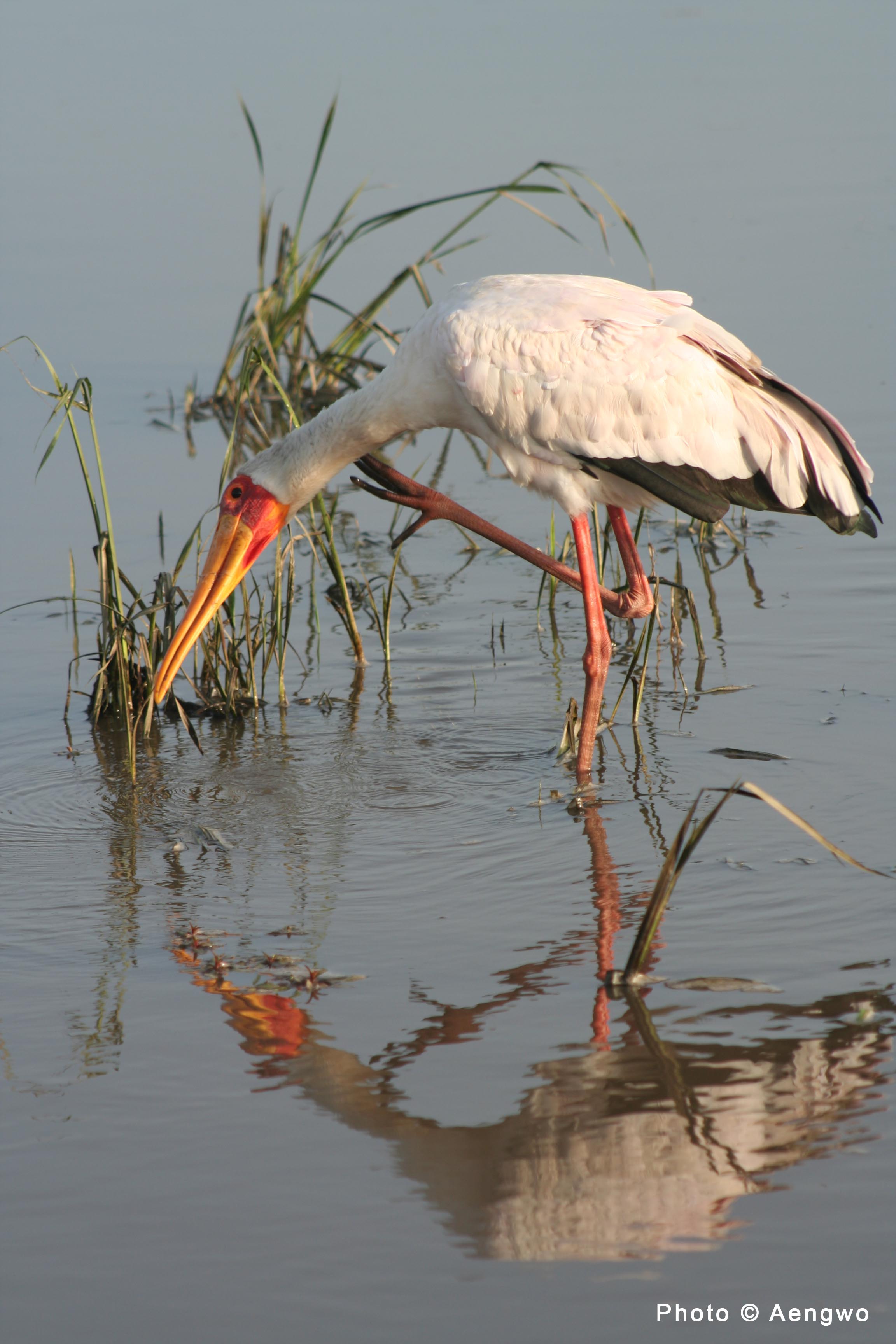
  3. Yellow-Billed Stork
    Yellow-Billed Stork in the Maasai Mara
  4. Woolly-necked Stork

    Wolly-necked Stork, Maasai Mara
  5. Saddle-billed Stork
  6. Black Stork
  7. African open-billed Stork
    African Open-billed Stork in Maasai Mara
  8. Grey crowned Crane
  9. Marabou Stork
  10. Glossy Ibis
  11. Sacred Ibis
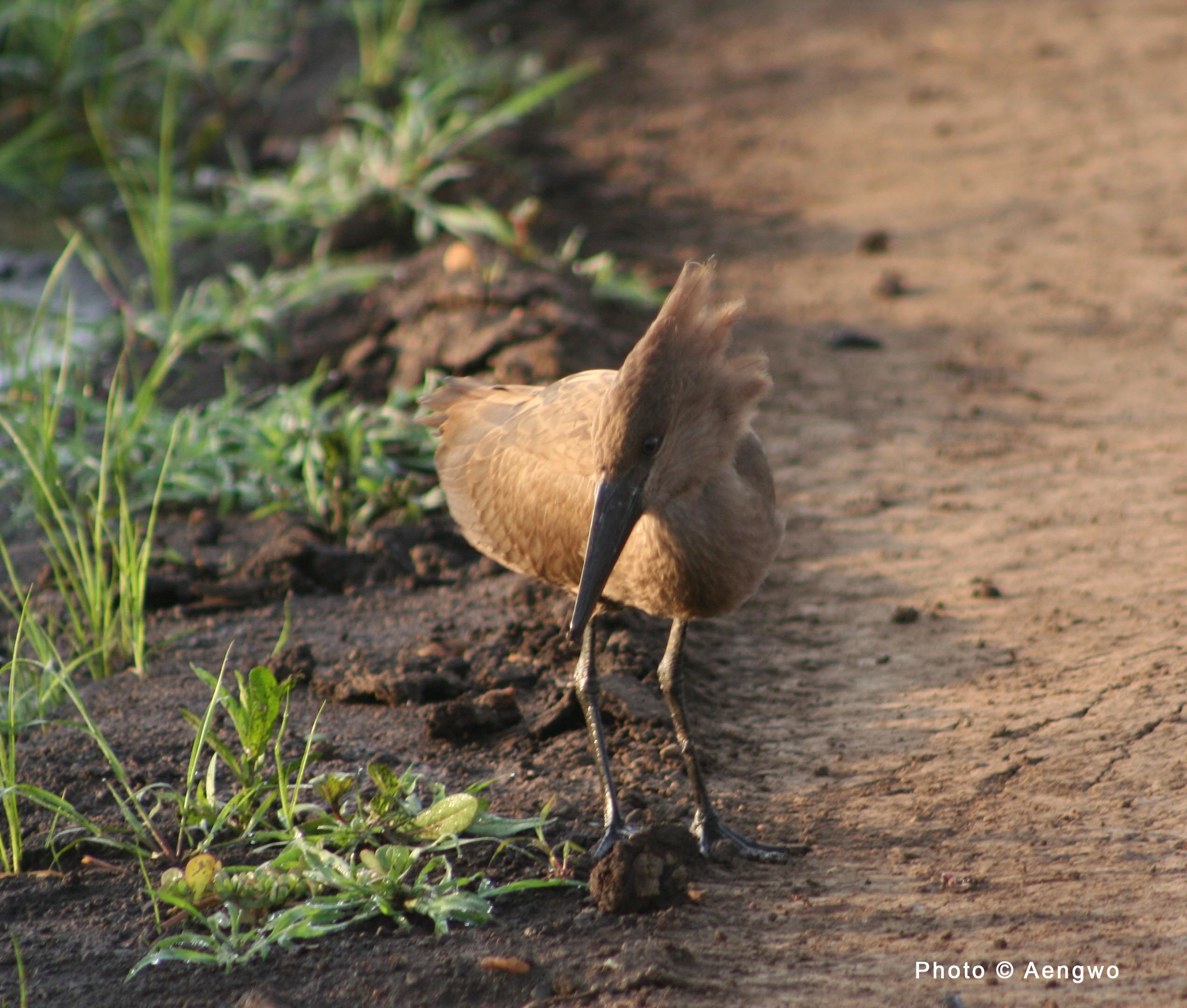
  12. Hadada Ibis
    Hadada Ibis at Lake Baringo
  13. Lesser Flamingo
    Lesser Flamingo Lake Bogoria
  14. Greater Flamingo
    Greater Flamingo, Lake Bogoria
  15. Goliath Heron
    Goliath Heron, Maasai Mara
  16. Black-headed Heron
  17. Hammerkop
    Hammerkop, Maasai Mara
  18. Little Bittern
  19. Squacco Heron
    Squacco Heron, Lake Baringo
  20. Rufous-bellied Heron
  21. Green-backed Heron
  22. Great Egret
  23. Little Egret
  24. Cattle Egret
  25. Dimorphic Egret
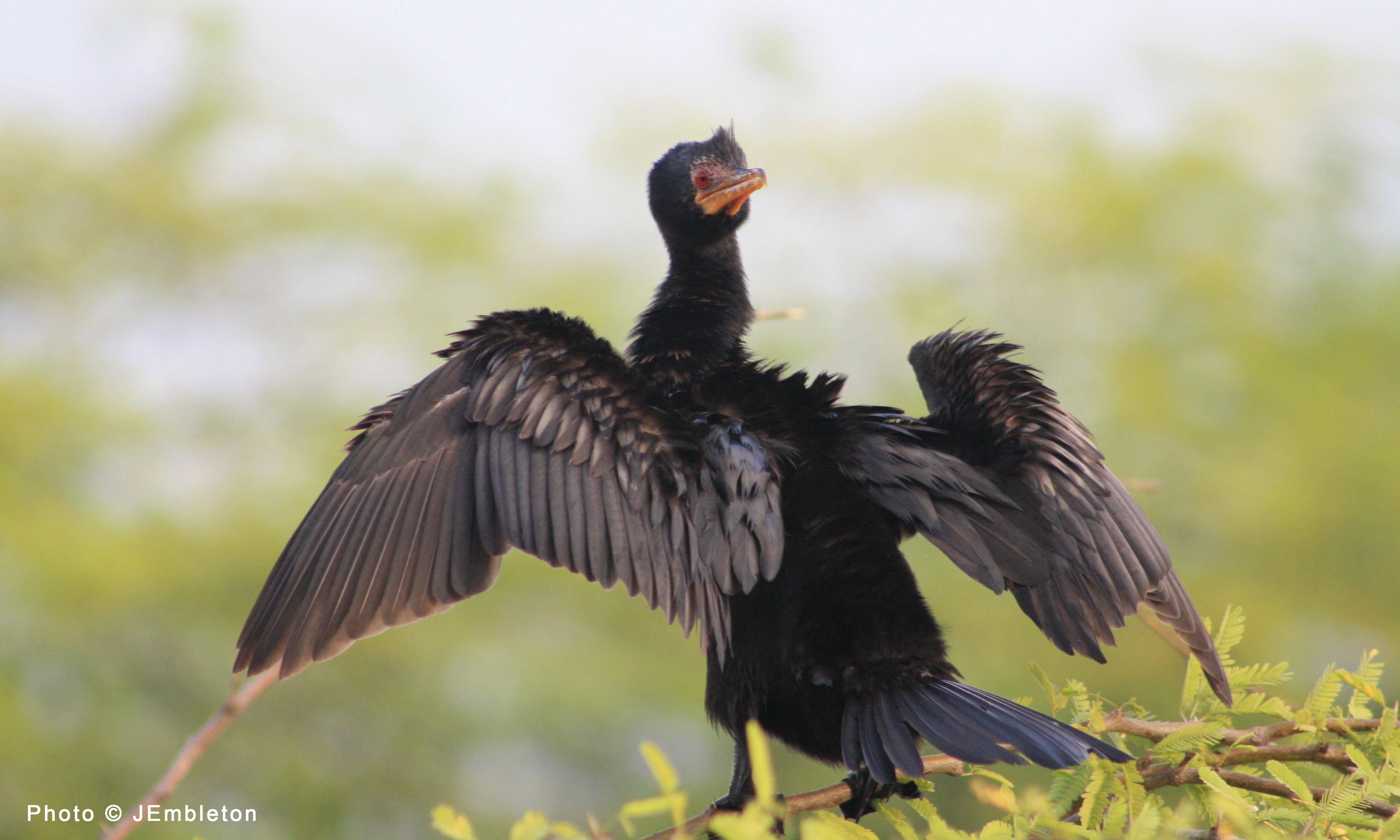
  26. Long-tailed Cormorant
    Long-tailed Cormorant, Lake Baringo
  27. African Darter

    African Dartar, Lake Baringo
  28. White-faced whistling Duck
  29. Knob-billed Duck
  30. Water Thick-knee
  31. Temminck’s Courser
  32. Black-winged Plover
  33. Senegal Plover
  34. Crowned Plover
  35. Blacksmith Plover
  36. Spur-winged Plover
  37. African wattled Plover
  38. Little ringed plover
  39. Common ringed plover
  40. Little Stint
  41. Temmink’s Stint
  42. Broad-billed Sandpiper
  43. Common Greenshank
  44. Mash Sandpiper
  45. Wood Sandpiper
  46. Green Sandpiper
  47. Whembrel
  48. Black-winged  Stilt
  49. African Jacana
    African Jacana, Maasai Mara
  50. Helmeted Guineafowl
  51. White-bellied Bustard
  52. Black-bellied Bustard
  53. Southern Ground Hornbill
    Southern Ground Hornbill, Maasai Mara
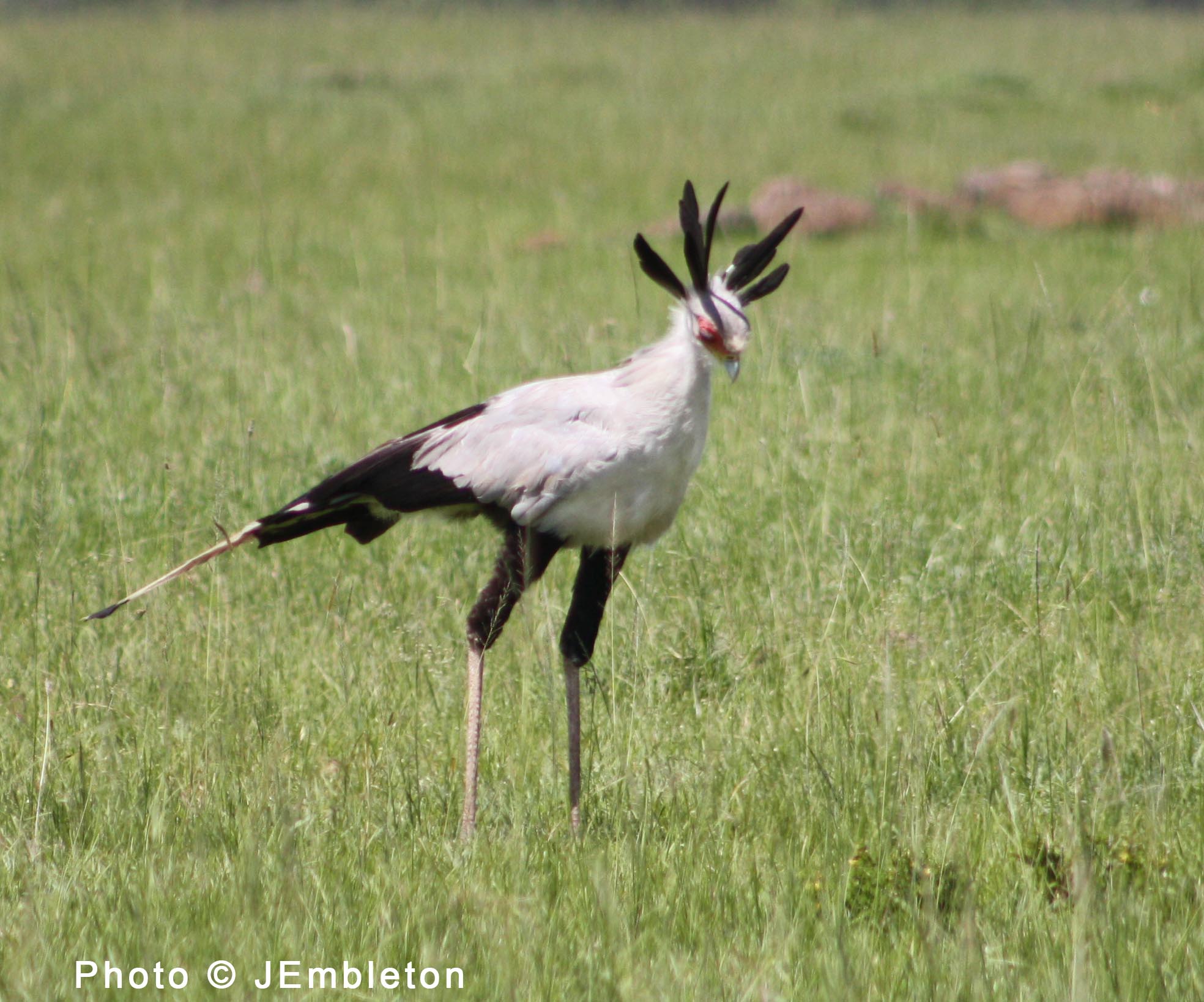
  54. Secretary Bird
    Secretary Bird, Maasai Mara
  55. Common Ostrich
  56. Ruppell’s Griffon Vulture
  57. African white-backed Vulture
  58. White-headed Vulture
  59. Lappet-faced Vulture
  60. Imperial Eagle
  61. Tawny Eagle
  62. Common Buzzard
  63. Augur Buzzard
  64. Osprey
  65. Martial Eagle
  66. Brown Snake Eagle
  67. African Fish Eagle
  68. Little Sparrowhawk
  69. Shikra
  70. Great Sparrowhawk
  71. Lizard Buzzard
  72. Long-crested Eagle
  73. Lanner Falcon
  74. Pygmy Falcon
  75. African Green Pigeon
    African Green Pigeon, Maasai Mara
  76. Namaqua Dove
  77. African Mourning Dove
  78. Laughing Dove
  79. Emerald-spotted wood Dove
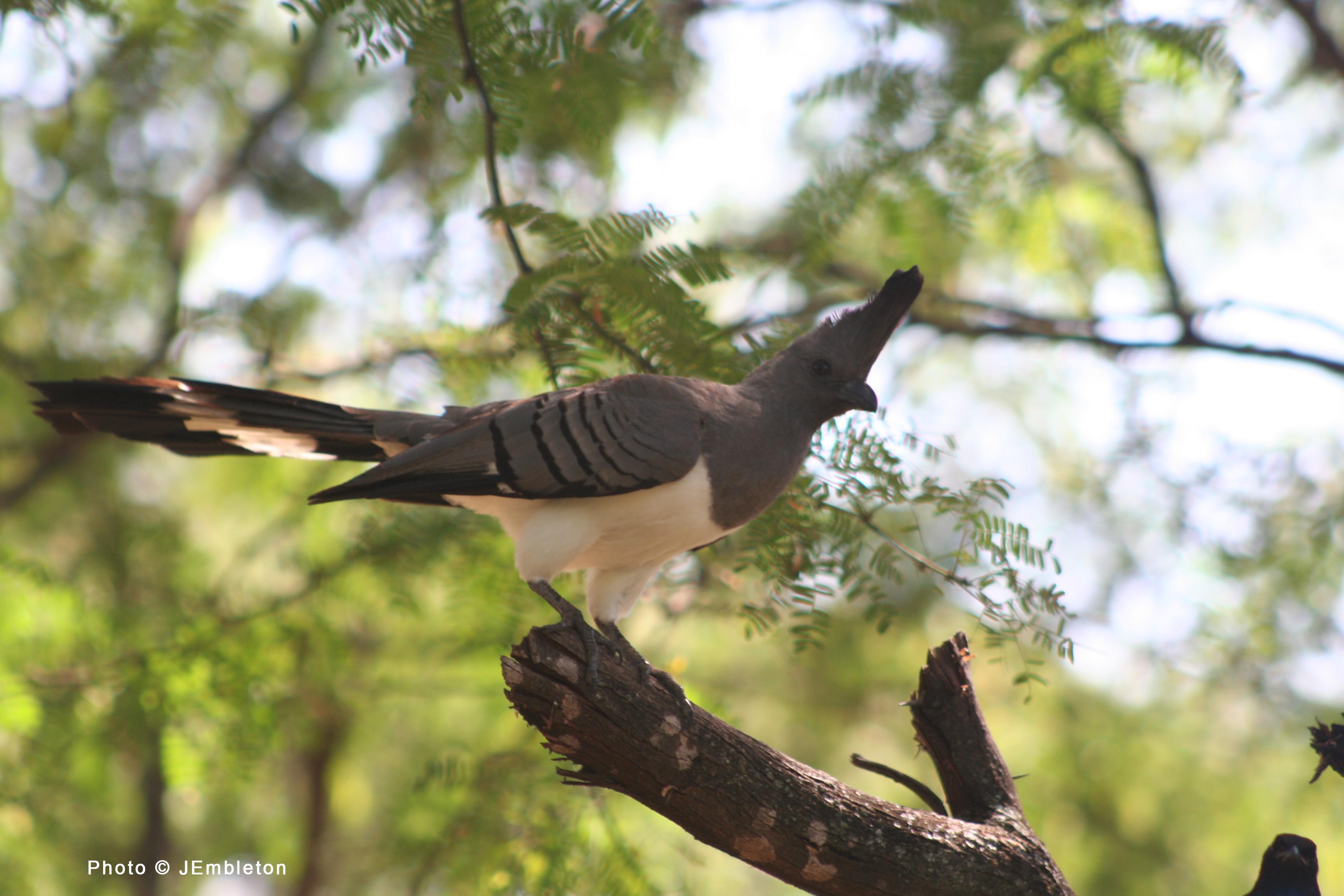
  80. White-bellied Go Away Bird
    White-bellied Go Away Bird, Lake Baringo
  81. Hartlaub’s Turaco
  82. Klaas’s Cuckoo
  83. Diedrik Cuckoo
  84. Black and white Cuckoo
  85. Blue-headed Coucal
  86. Slender-tailed Nightjar
  87. Blue-naped Mousebird
  88. Speckled Mousebird
  89. Malachite Kingfisher
    Malachite Kingfisher, Lake Baringo
  90. Woodland Kingfisher
  91. Pied Kingfisher
    Pied Kingfisher, Lake Baringo
  92. Little Bee-eater
  93. Blue-cheeked Bee-eater
  94. Lilac-breasted Roller
    Lilac-Breasted Roller, Maasai Mara
  95. African Hoopoe
  96. Green Wood-Hoopoe
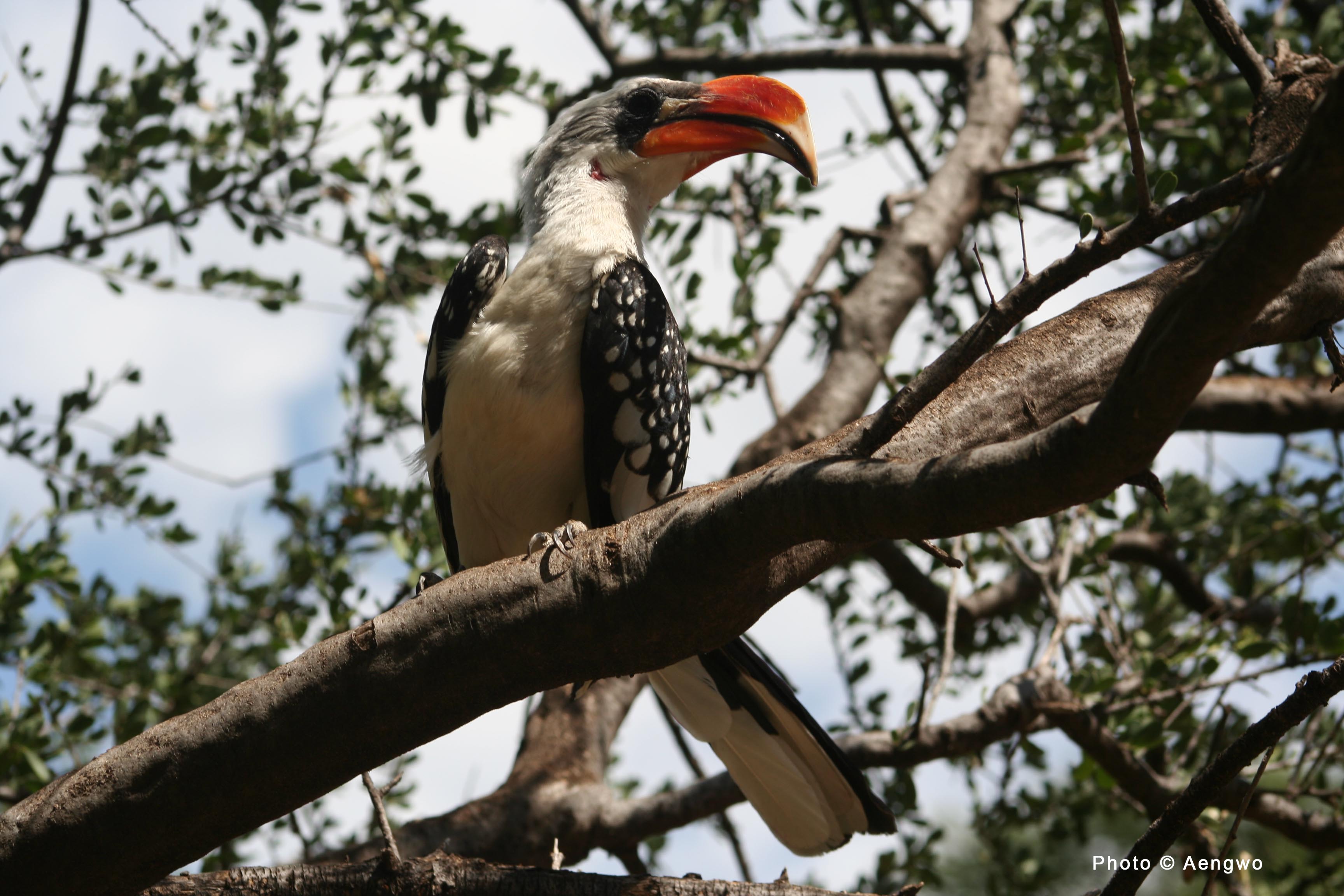
  97. Jackson’s Hornbill
    Jackson’s Hornbill, Lake Baringo
  98. Red-billed Hornbill
  99. Green Barbet
  100. White-eared Barbet
  101. Red-fronted Barbet
  102. Black-throated Barbet
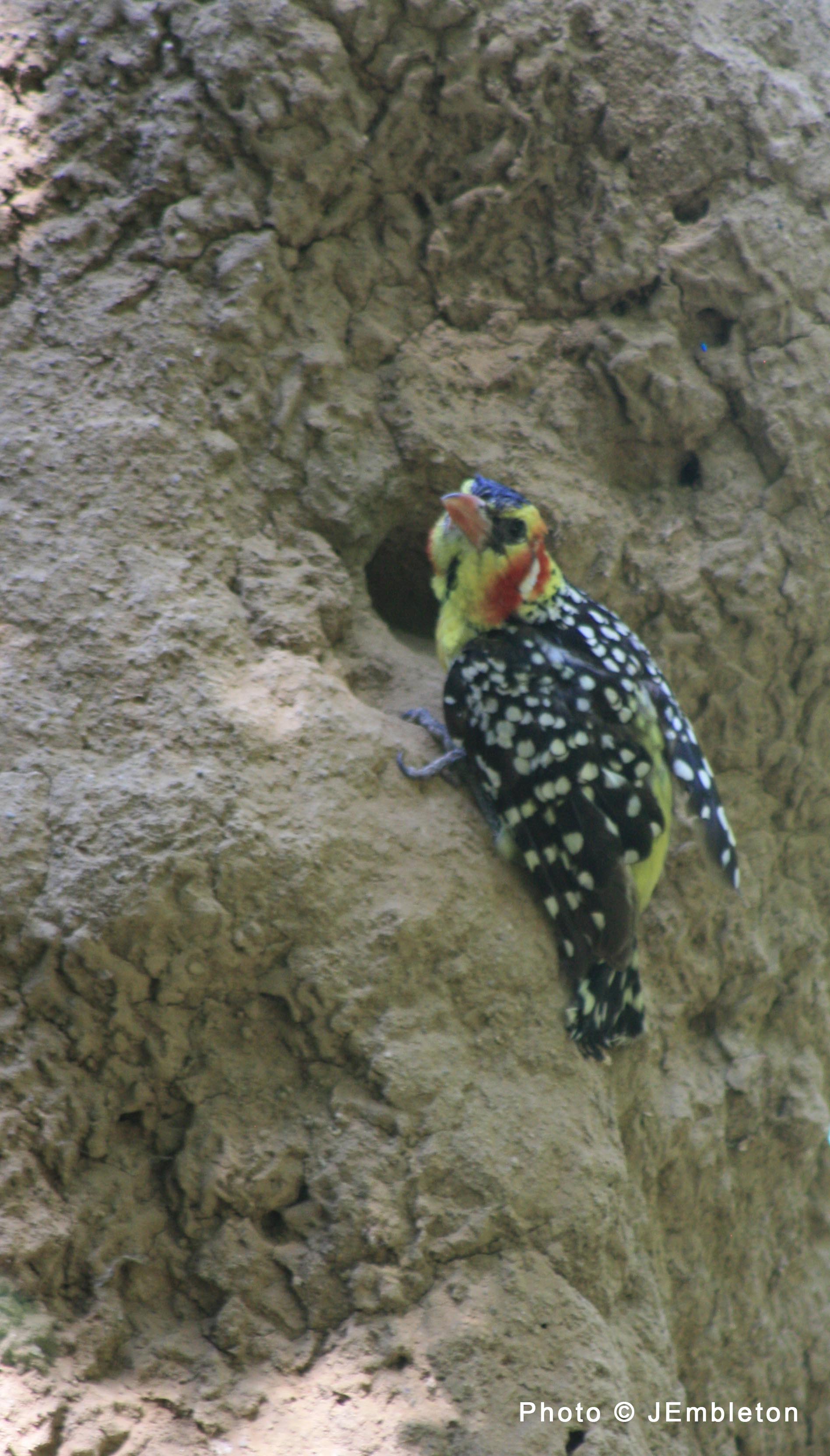
  103. Red and Yellow Barbet
    Red and Yellow Barbet, Lake Baringo
  104. Grey Woodpecker
  105. Nubian Woodpecker
  106. Lesser Honey guide
  107. Rosy-breasted Longclaw
  108. Yellow-throated Longclaw
  109. Grassland Pipit
  110. Rufous-naped Lark
  111. Common Bulbul
  112. Ruppell’s Long-tailed Starling
  113. Superb Starling
  114. Bristle-crowned Starling
  115. Black-headed Oriole
  116. Pied Crow
  117. House Crow
  118. Brubru
  119. Three-streaked Tchagra
  120. Northern Puffback
  121. Grey-headed Bush-shrike
  122. Northern-white crowned Shrike
  123. Pygmy Batis
  124. African-grey Flycatcher
  125. African Paradise Flycatcher
  126. Brown Babbler
  127. White-Browed Scrub Robin
  128. Winding Cisticola
  129. Rattling Cisticola
  130. Siffling  Cisticola
  131. Zitting Cisticola
  132. Yellow-breasted Apalis
  133. Red-fronted Warbler
  134. Grey Wren Warbler
  135. Beautiful Sunbird
  136. Hunters Sunbird
  137. Eastern Violet-backed Sunbird
  138. Grey-headed Sparrow
  139. White-billed Buffalo-Weaver
  140. White-headed Buffalo-Weaver
  141. Pin-tailed Whydah
  142. Hartlaub’s Mash Widowbird
  143. Fan-tailed Widowbird
  144. Jackson’s Golden-backed Weaver
  145. Northern-masked Weaver
  146. Lesser-Masked Weaver
  147. Red-cheeked Cordon-Blue
  148. Purple Grenadier
  149. Green-winged Pytilia
  150. Red-billed Firefinch
    Red-billed Firefinch, Lake Baringo
  151. African Citril
  152. White-bellied Canary
  153. Yellow-crowned Canary
  154. Dark Chanting Goshawk

    Dark Chanting Goshawk, Lake Baringo
  155. Spotted morning Thrush

    Spotted Morning Thrush, Lake Baringo

South Africa 2011: Kruger National Park Photo Report 2 – The Birds

Although this is not Kenya or East Africa I couldn’t resist posting these incredible photographs of birds by Mortal Coil in Kruger National Park South Africa.

Enjoy my fellow birders!

– Joe

lukerobinsonphoto's avatarMortal Coil

On our self-drive safari adventure in Kruger National Park (see previous entry on the “Big Five” here) we were amazed at the sheer variety and exoticism of the birds we saw. Apparently over 400 species (resident and migratory) call Kruger home, at least for part of the year. The park is really well set-up for birdwatching, with many hides set up next to waterholes and so on, and while I would not in any way call myself a twitcher, I did at least take an interest in what birds crossed paths with me, which is more than I can say at other times in my life.

In any event, we were lucky enough to encounter these fellows during our time in Kruger:

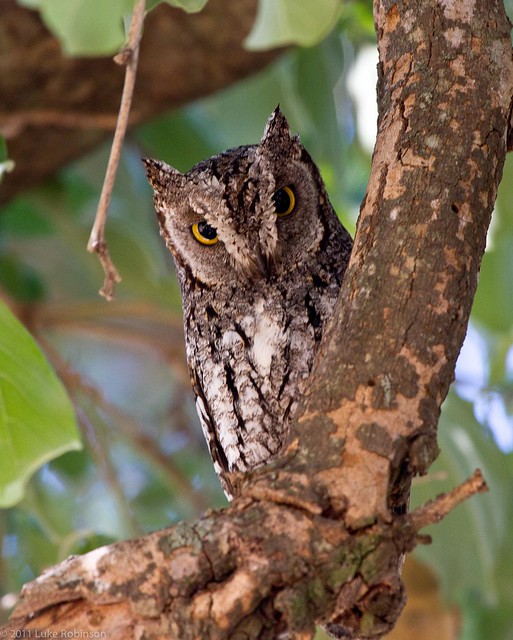
Scops Owl
Scops Owl

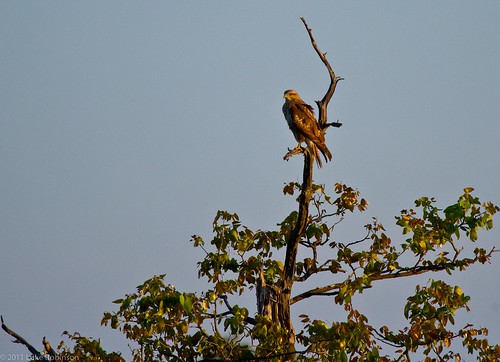
Common/Steppe Buzzard, Kruger National Park, South Africa
Common/Steppe Buzzard

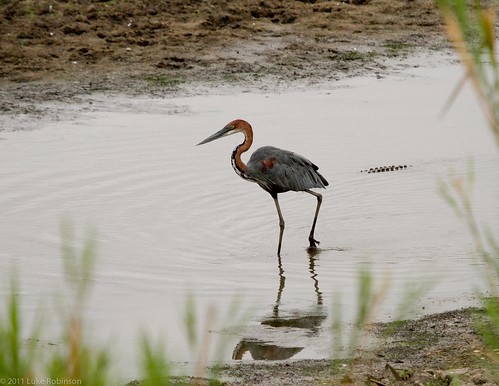
Goliath Heron
Goliath Heron

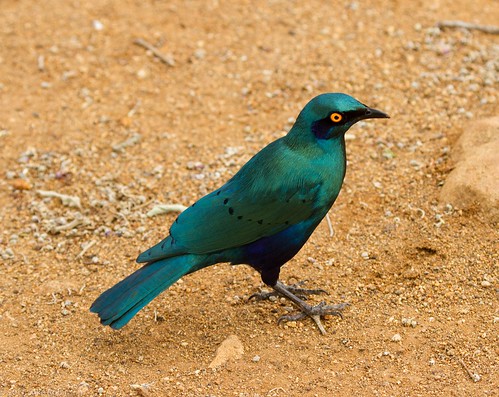
Cape Glossy Starling

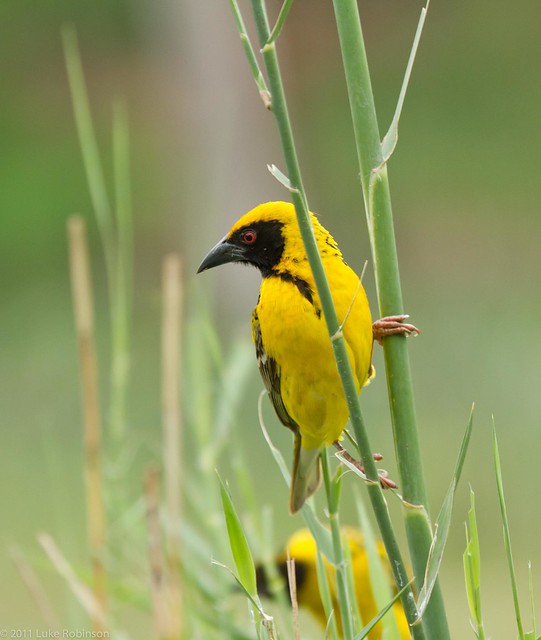
Southern Masked Weaver

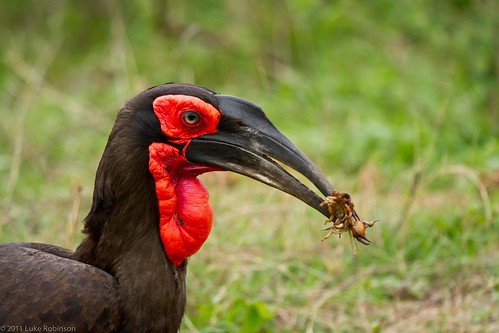
Southern Ground-Hornbill with Scorpion

Common Bulbul, Kruger National Park, South Africa
Common Bulbul in a Bird Bath

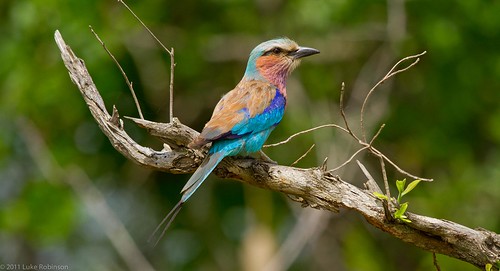
Lilac Breasted Roller

Martial Eagle in Flight, Kruger National Park, South Africa
Martial Eagle…

View original post 32 more words