Birding Trip Reports

I’ve been updating the blog with new sections, including Birding Hotspots in Kenya and East Africa, which I will be updating throughout this week, as well as Birding Trip Reports. Below is the most recently added report from a non-birding tour I hosted over the holidays. Enjoy the Birds! Kenya may have turned my guests into birders!

On my recent trip with  two Canadians, which took  us to Maasai Mara National Reserve, Lake Baringo, Kaptagat Forest and Diani Beach, we managed to see 155 species, though they were not really serious birders as such. It was more of a Christmas holiday. I was however impressed of how many species came our way!!! Kenyan birdlife is impressive!!! Have a great birding new year. The photos were taken during this trip.

Species seen during the tour:

  1. Sooty Gull
  2. White Stork
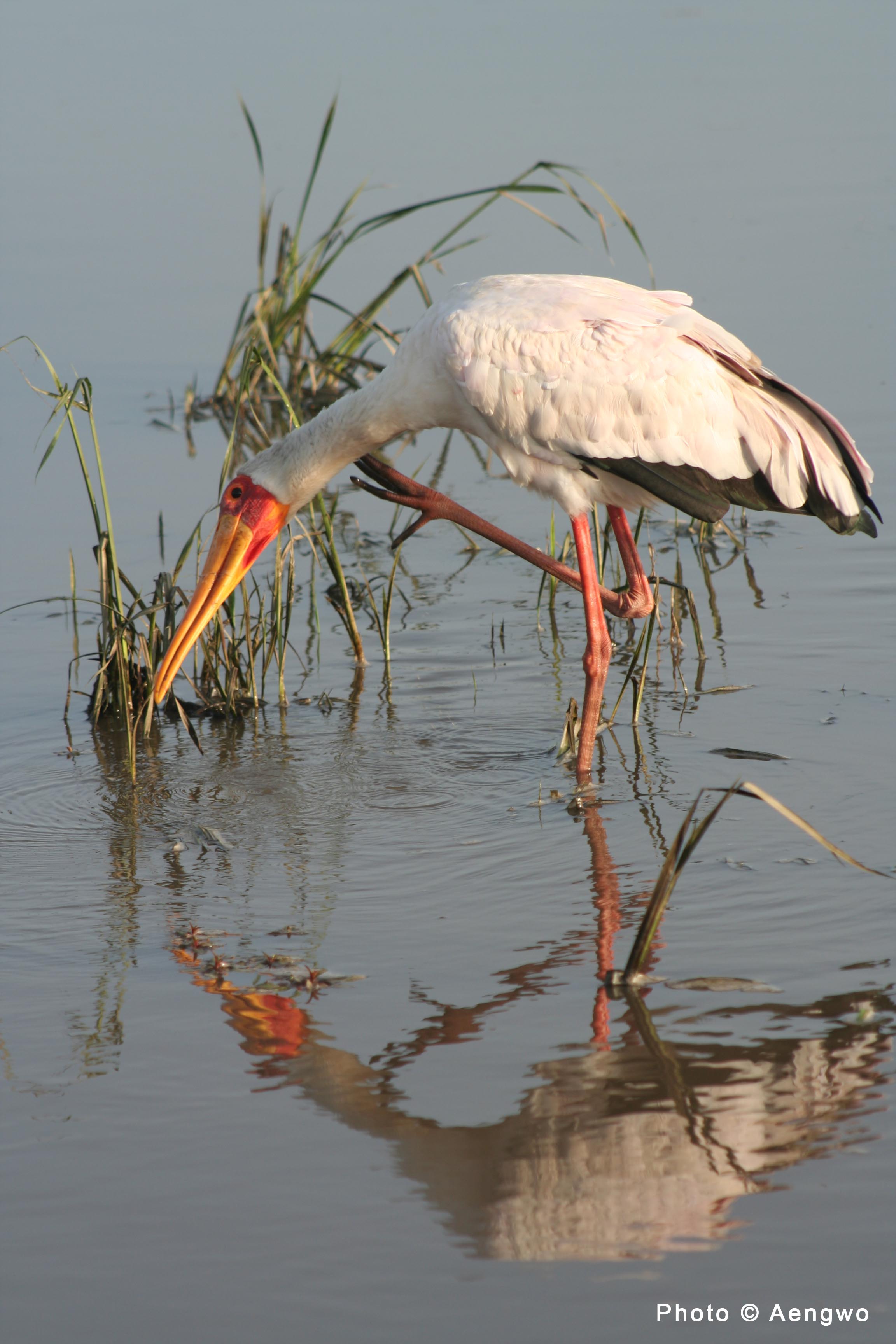
  3. Yellow-Billed Stork
    Yellow-Billed Stork in the Maasai Mara
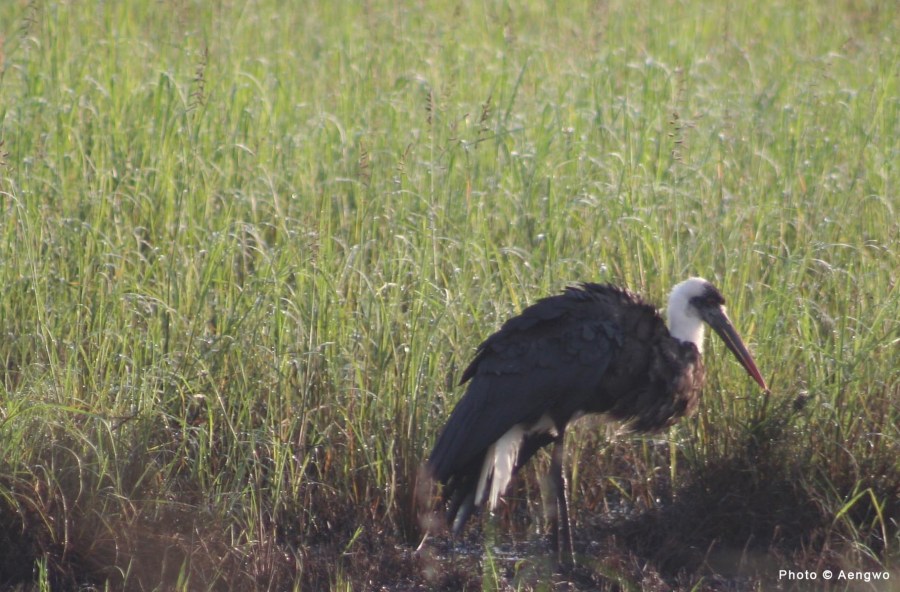
  4. Woolly-necked Stork

    Wolly-necked Stork, Maasai Mara
  5. Saddle-billed Stork
  6. Black Stork
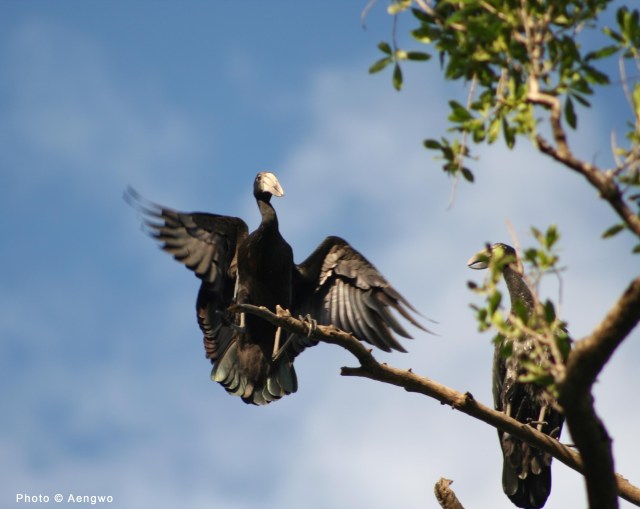
  7. African open-billed Stork
    African Open-billed Stork in Maasai Mara
  8. Grey crowned Crane
  9. Marabou Stork
  10. Glossy Ibis
  11. Sacred Ibis
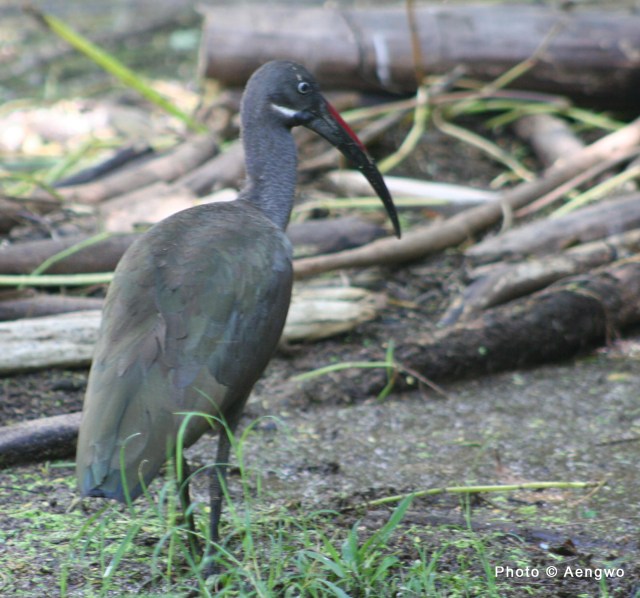
  12. Hadada Ibis
    Hadada Ibis at Lake Baringo
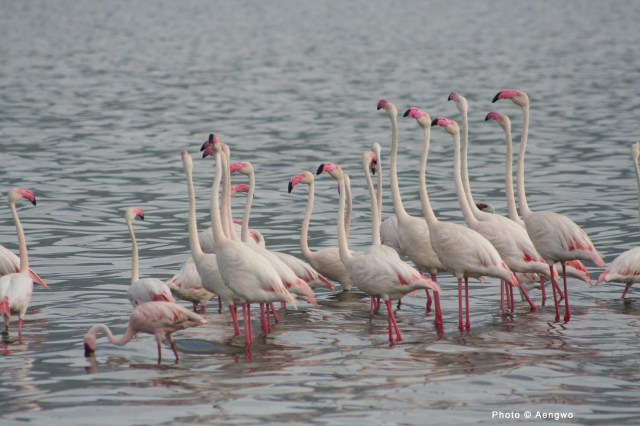
  13. Lesser Flamingo
    Lesser Flamingo Lake Bogoria
  14. Greater Flamingo
    Greater Flamingo, Lake Bogoria
  15. Goliath Heron
    Goliath Heron, Maasai Mara
  16. Black-headed Heron
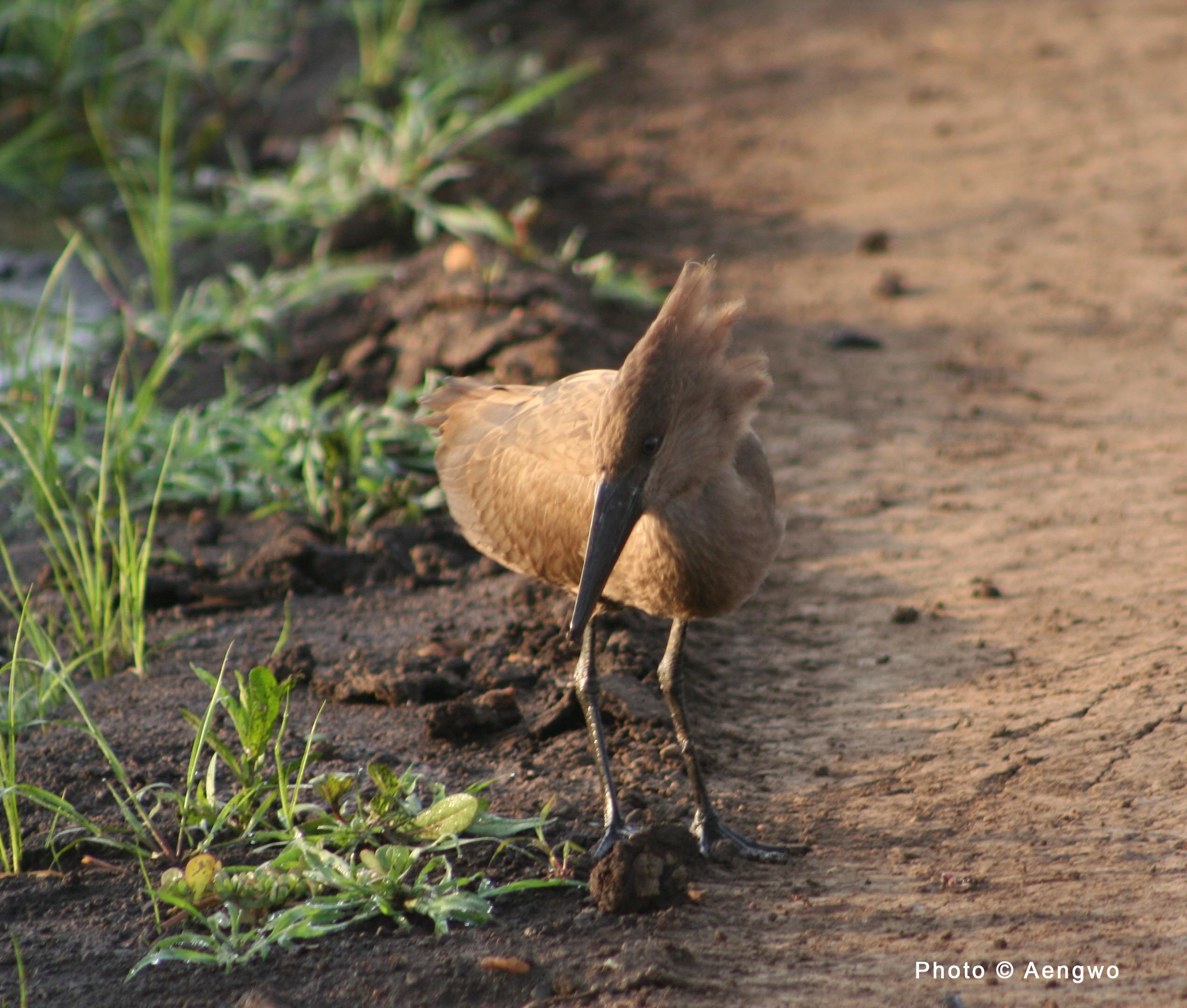
  17. Hammerkop
    Hammerkop, Maasai Mara
  18. Little Bittern
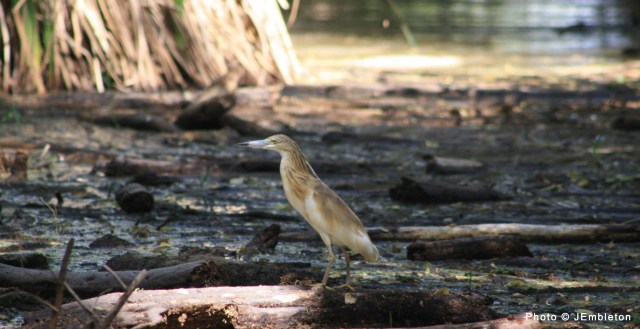
  19. Squacco Heron
    Squacco Heron, Lake Baringo
  20. Rufous-bellied Heron
  21. Green-backed Heron
  22. Great Egret
  23. Little Egret
  24. Cattle Egret
  25. Dimorphic Egret
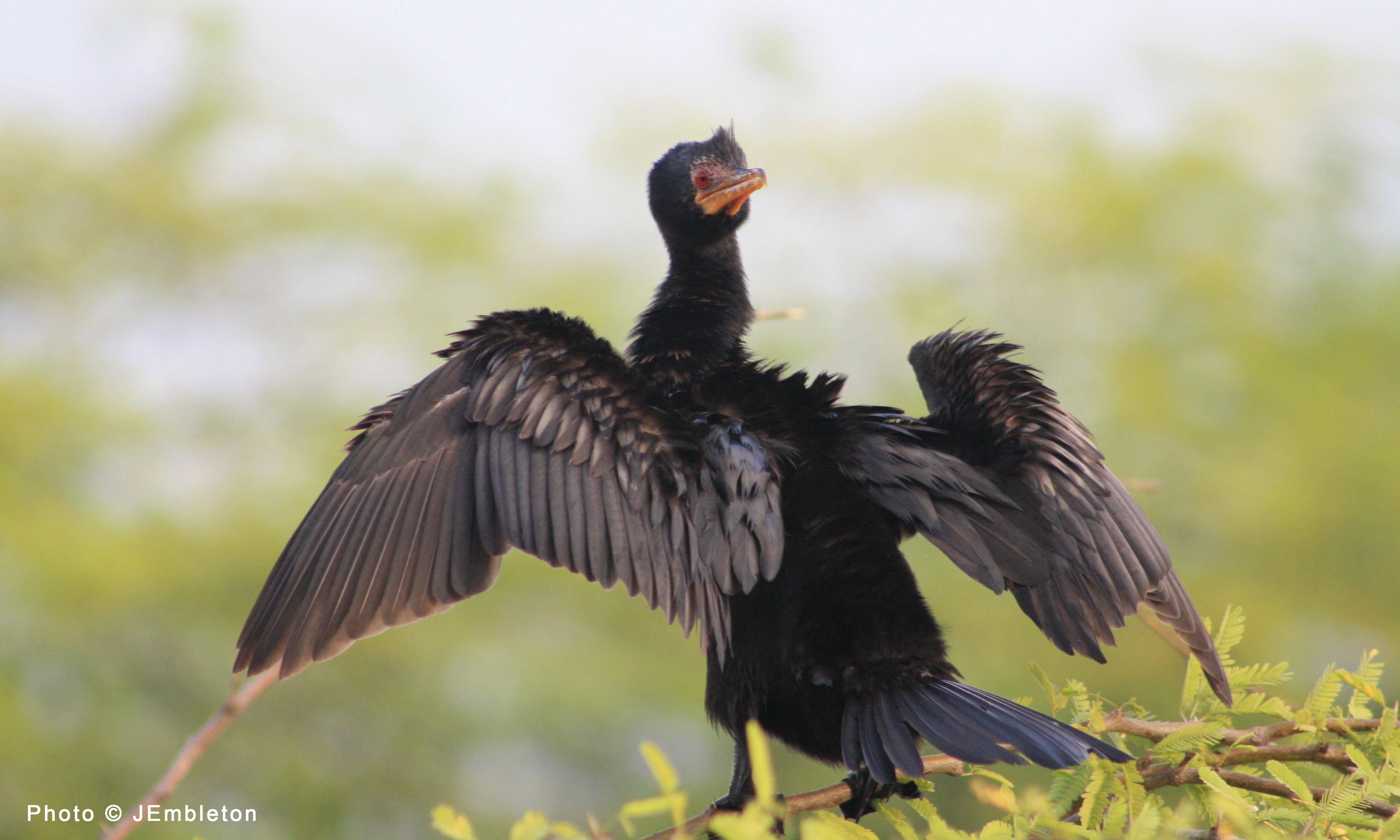
  26. Long-tailed Cormorant
    Long-tailed Cormorant, Lake Baringo
  27. African Darter

    African Dartar, Lake Baringo
  28. White-faced whistling Duck
  29. Knob-billed Duck
  30. Water Thick-knee
  31. Temminck’s Courser
  32. Black-winged Plover
  33. Senegal Plover
  34. Crowned Plover
  35. Blacksmith Plover
  36. Spur-winged Plover
  37. African wattled Plover
  38. Little ringed plover
  39. Common ringed plover
  40. Little Stint
  41. Temmink’s Stint
  42. Broad-billed Sandpiper
  43. Common Greenshank
  44. Mash Sandpiper
  45. Wood Sandpiper
  46. Green Sandpiper
  47. Whembrel
  48. Black-winged  Stilt
  49. African Jacana
    African Jacana, Maasai Mara
  50. Helmeted Guineafowl
  51. White-bellied Bustard
  52. Black-bellied Bustard
  53. Southern Ground Hornbill
    Southern Ground Hornbill, Maasai Mara
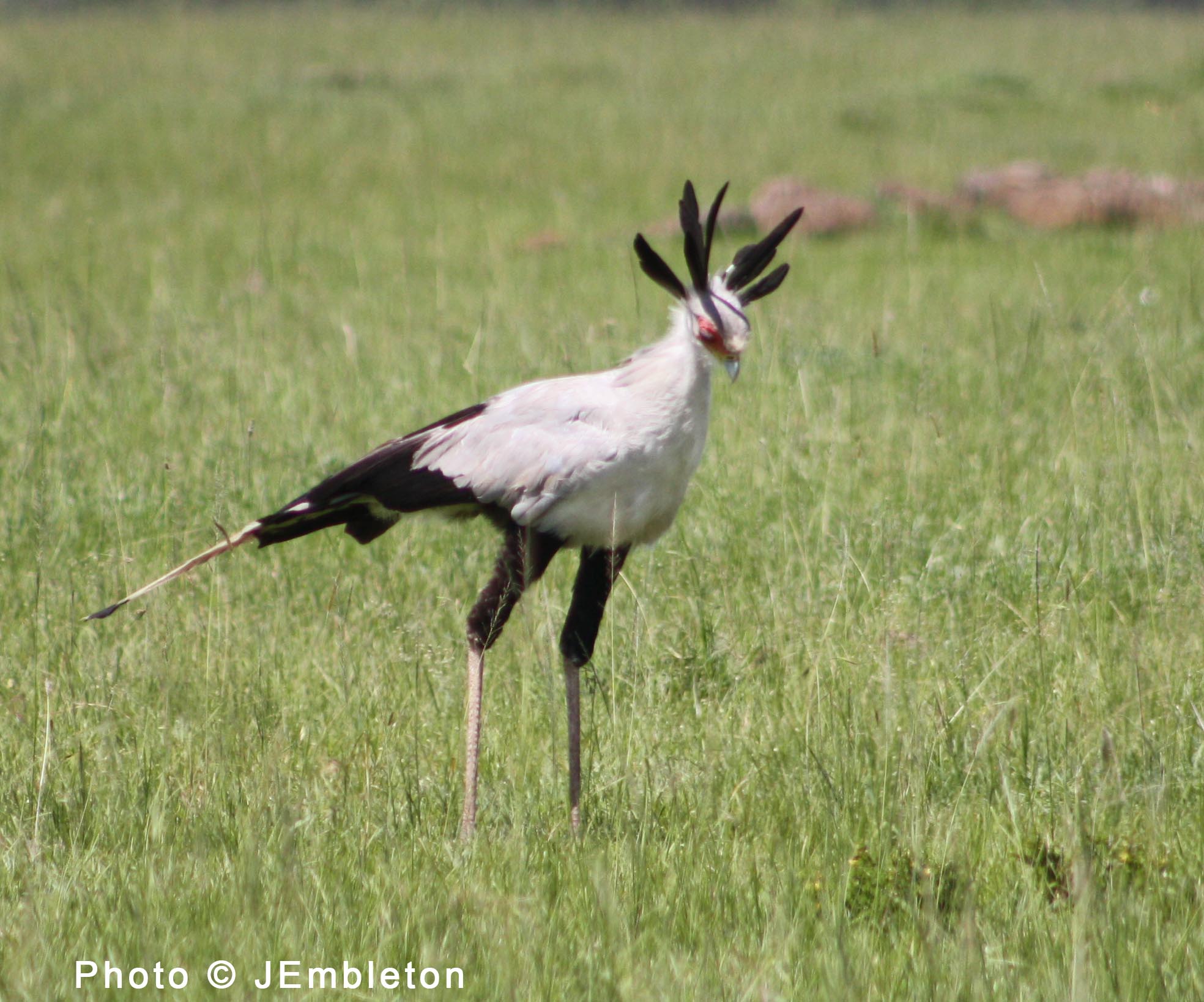
  54. Secretary Bird
    Secretary Bird, Maasai Mara
  55. Common Ostrich
  56. Ruppell’s Griffon Vulture
  57. African white-backed Vulture
  58. White-headed Vulture
  59. Lappet-faced Vulture
  60. Imperial Eagle
  61. Tawny Eagle
  62. Common Buzzard
  63. Augur Buzzard
  64. Osprey
  65. Martial Eagle
  66. Brown Snake Eagle
  67. African Fish Eagle
  68. Little Sparrowhawk
  69. Shikra
  70. Great Sparrowhawk
  71. Lizard Buzzard
  72. Long-crested Eagle
  73. Lanner Falcon
  74. Pygmy Falcon
  75. African Green Pigeon
    African Green Pigeon, Maasai Mara
  76. Namaqua Dove
  77. African Mourning Dove
  78. Laughing Dove
  79. Emerald-spotted wood Dove
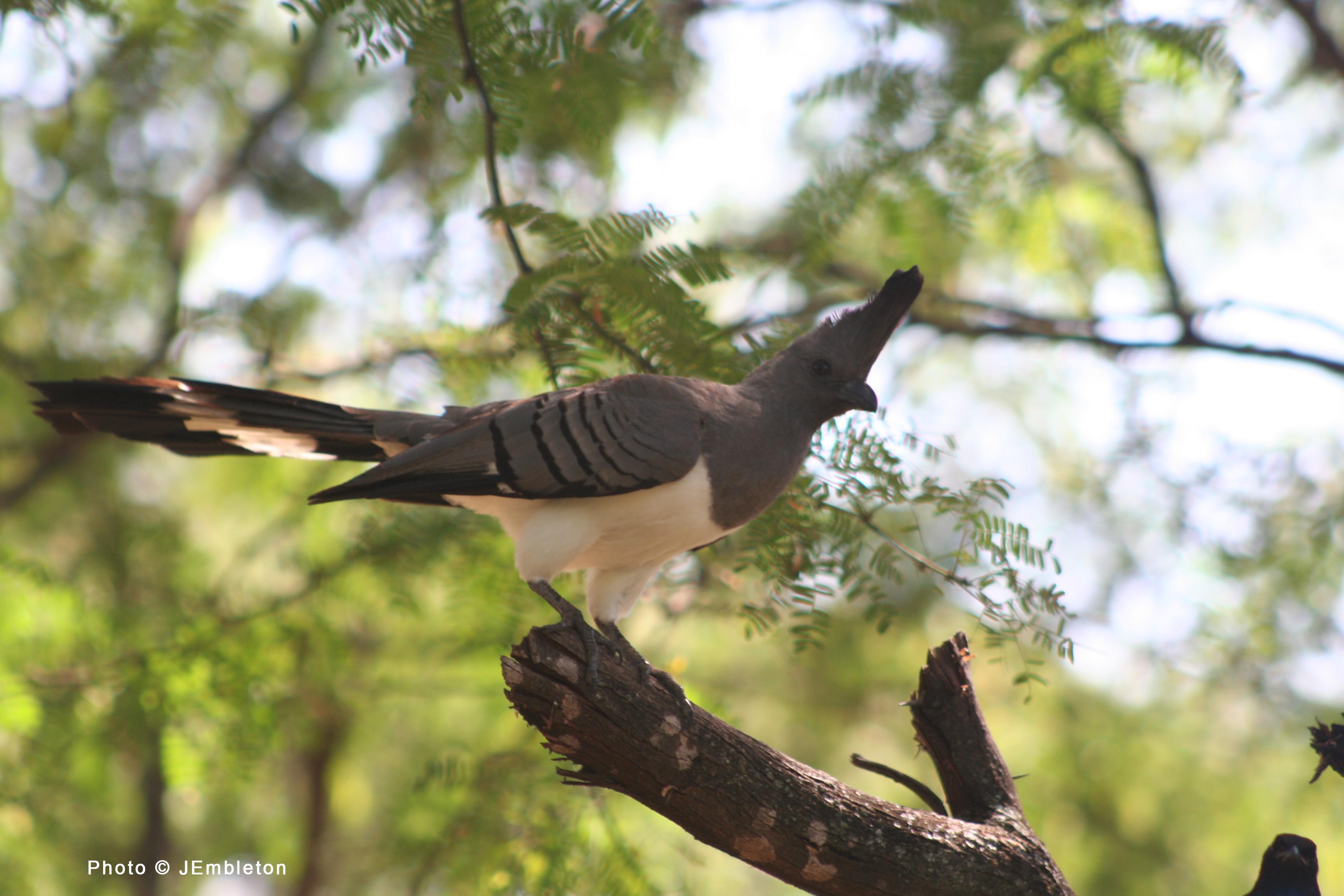
  80. White-bellied Go Away Bird
    White-bellied Go Away Bird, Lake Baringo
  81. Hartlaub’s Turaco
  82. Klaas’s Cuckoo
  83. Diedrik Cuckoo
  84. Black and white Cuckoo
  85. Blue-headed Coucal
  86. Slender-tailed Nightjar
  87. Blue-naped Mousebird
  88. Speckled Mousebird
  89. Malachite Kingfisher
    Malachite Kingfisher, Lake Baringo
  90. Woodland Kingfisher
  91. Pied Kingfisher
    Pied Kingfisher, Lake Baringo
  92. Little Bee-eater
  93. Blue-cheeked Bee-eater
  94. Lilac-breasted Roller
    Lilac-Breasted Roller, Maasai Mara
  95. African Hoopoe
  96. Green Wood-Hoopoe
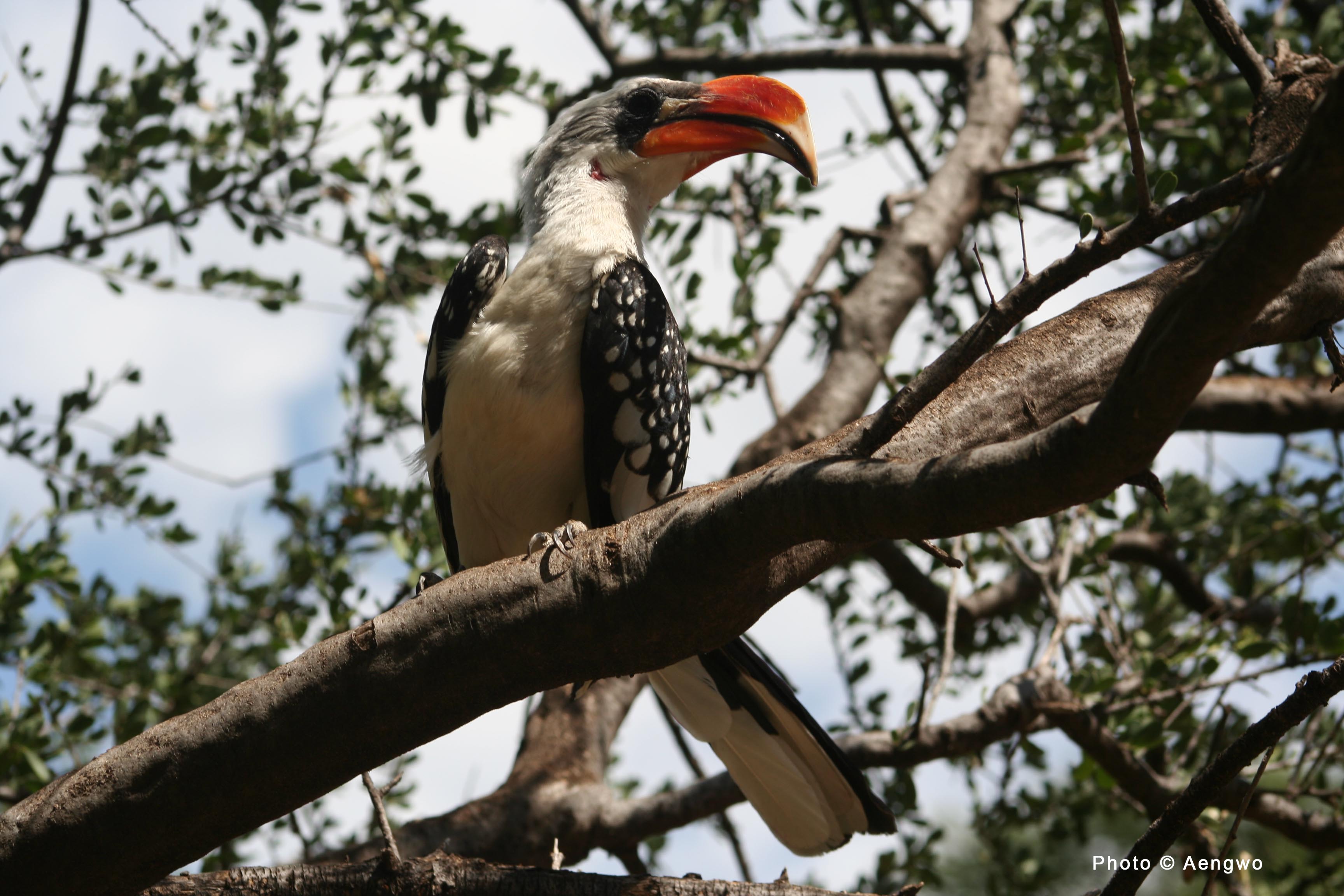
  97. Jackson’s Hornbill
    Jackson’s Hornbill, Lake Baringo
  98. Red-billed Hornbill
  99. Green Barbet
  100. White-eared Barbet
  101. Red-fronted Barbet
  102. Black-throated Barbet
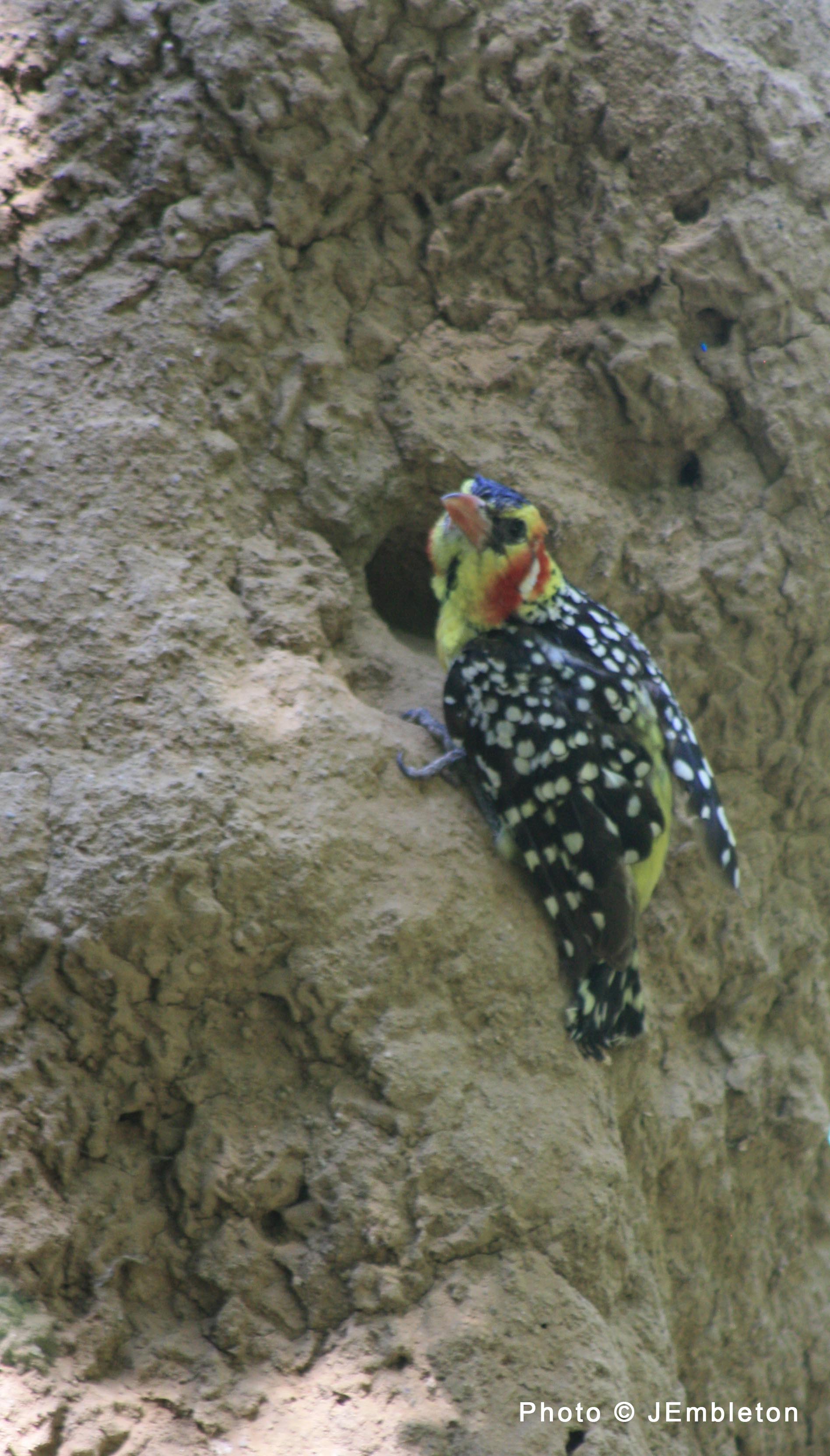
  103. Red and Yellow Barbet
    Red and Yellow Barbet, Lake Baringo
  104. Grey Woodpecker
  105. Nubian Woodpecker
  106. Lesser Honey guide
  107. Rosy-breasted Longclaw
  108. Yellow-throated Longclaw
  109. Grassland Pipit
  110. Rufous-naped Lark
  111. Common Bulbul
  112. Ruppell’s Long-tailed Starling
  113. Superb Starling
  114. Bristle-crowned Starling
  115. Black-headed Oriole
  116. Pied Crow
  117. House Crow
  118. Brubru
  119. Three-streaked Tchagra
  120. Northern Puffback
  121. Grey-headed Bush-shrike
  122. Northern-white crowned Shrike
  123. Pygmy Batis
  124. African-grey Flycatcher
  125. African Paradise Flycatcher
  126. Brown Babbler
  127. White-Browed Scrub Robin
  128. Winding Cisticola
  129. Rattling Cisticola
  130. Siffling  Cisticola
  131. Zitting Cisticola
  132. Yellow-breasted Apalis
  133. Red-fronted Warbler
  134. Grey Wren Warbler
  135. Beautiful Sunbird
  136. Hunters Sunbird
  137. Eastern Violet-backed Sunbird
  138. Grey-headed Sparrow
  139. White-billed Buffalo-Weaver
  140. White-headed Buffalo-Weaver
  141. Pin-tailed Whydah
  142. Hartlaub’s Mash Widowbird
  143. Fan-tailed Widowbird
  144. Jackson’s Golden-backed Weaver
  145. Northern-masked Weaver
  146. Lesser-Masked Weaver
  147. Red-cheeked Cordon-Blue
  148. Purple Grenadier
  149. Green-winged Pytilia
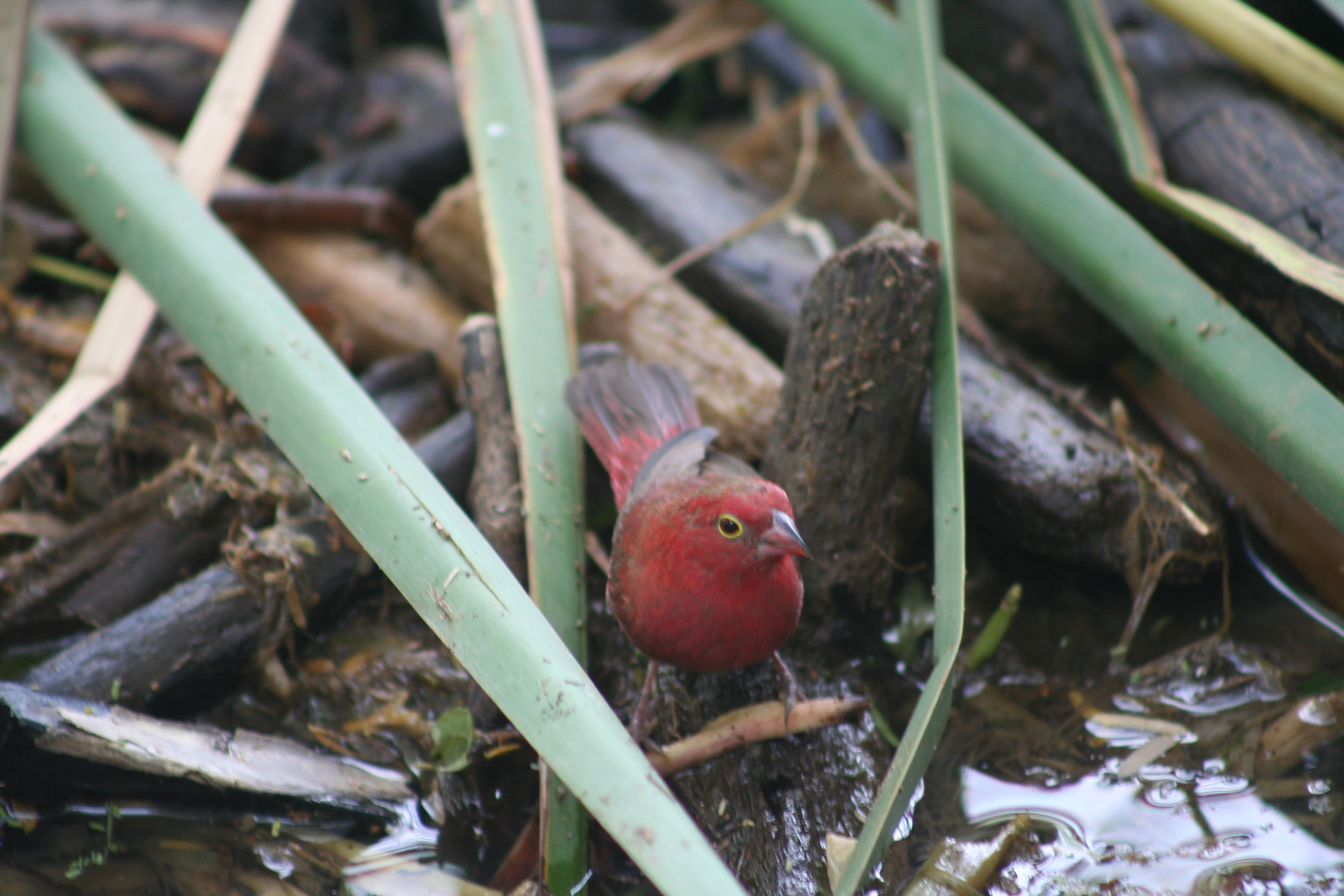
  150. Red-billed Firefinch
    Red-billed Firefinch, Lake Baringo
  151. African Citril
  152. White-bellied Canary
  153. Yellow-crowned Canary
  154. Dark Chanting Goshawk

    Dark Chanting Goshawk, Lake Baringo
  155. Spotted morning Thrush

    Spotted Morning Thrush, Lake Baringo
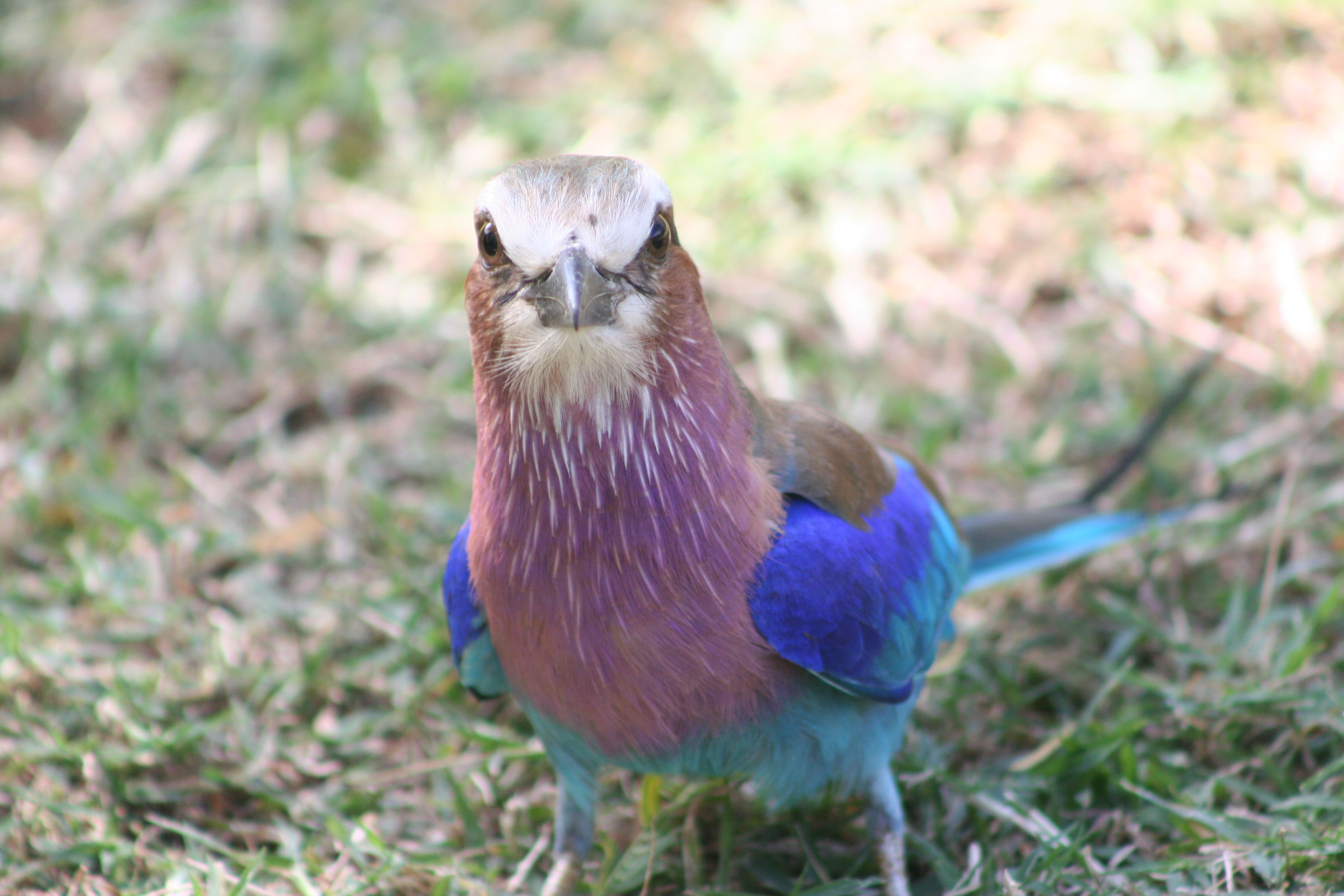
January 8, 2012: Lilac-Breasted Roller (Coracias caudata)

The average size of the Lilac Breasted Roller is 14.5 inches, including the tail streamers. The washed green head is large, the neck is short, the greenish yellow legs are rather short and the feet are small. The beak is strong, arched and hooked-tipped. The tail is narrow and of medium length. The back and scapulars are brown. The shoulder of the wing, outer webs of the flight feathers and the rump are all violet. The bases of the primaries and their coverts are pale greenish blue and the outer tail feathers are elongated and blackish. The chin is whitish, shading to rich lilac of the breast. The underparts are greenish blue. The bill is black and the eyes are brown. It has large wings and strong flight.

Lilac-breasted roller is most cases seen hunting for its food which may range from grasshoppers, beetles and small amphibians. Great photographic chances are found when the bird is foraging in the ground.

It is the most commonly seen roller. It well distributed in Samburu, Lake Baringo and Bogoria, Nakuru, Masai Mara, Amboseli, Nairobi and Tsavo National Park.

Lilac-breasted Roller photoshoot

This Lilac-breasted Roller was caught posing at the Lake Baringo Club over Christmas. It just couldn’t get enough of having its photo taken. Enjoy this set of photos of this beautiful bird!
Coming up, a report on birds spotted on a recent tour I guided, as well as the bird of the week, and much more!

Joe

Bird Songs

I’ve recently started to record bird songs using a Panasonic mp3 digital recorder and have been using it to call-back with it’s decent audio speaker. I will try to frequently post songs and accompanying photos of the birds singing when possible.

Here is a song of a Grey-capped Warbler (Eminia lepida) that I recorded in Eldoret, Kenya during an urban birding session.

Grey-capped Warbler Song

Joe

December 30, 2011: Rufous-naped Lark (Mirafra africana)

 Rufous-naped Lark  (Mirafra Africana)

The Rufous-naped Lark’s head is coloured brown as well as the bill. The Mirafra Africana has a white coloured throat, pink legs and a brown coloured back. The eyes are brown.

The male Mirafra africana has physical features that are slightly different from the female bird. When the bird is excited it has a richly striped rufous crown. In most observatory incidence the bird tends to call from a raised platform or rather on top of a medium sized tree.

In Kenya, the bird is widely distributed in areas around central Kenya, Lake Naivasha, Maasai Mara and Amboseli National park.

Rufous-naped lark Rufous-naped lark song

I recently spotted this Rufous-naped lark in the Maasai Mara National Reserve and recorded it’s song.

– Joe

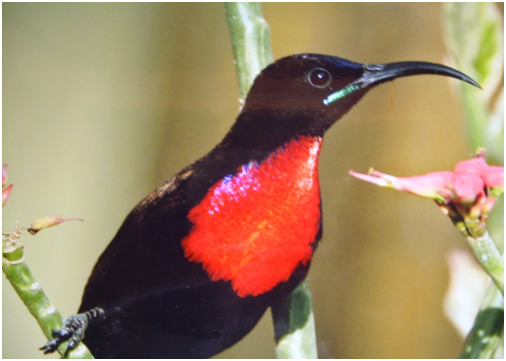
December 15, 2011: Hunter’s Sunbird (Nectarinia hunteri)

Hunter’s Sunbird is widespread and found in most dry areas of Kenya; especially in wooded and bushed grassland, it will however avoid very dry desert-like environments. It can easily be mistaken for the Scarlet-chested and Amethyst Sunbird.

The adult male is a non-reflective velvety black, with more brownish on the back, and a glittering green crown which appears turquoise; the throat as well as the patch on the bend of the wing is metallic ruby or rose-purple.

Hunter's Sunbird

The female is grey-brown above with white edged coverts. The under part is dull white, strongly mottled with sepia-brown on the throat and breast, more faintly on the belly and flanks washed brown, with chin and throat appearing darker .

It has a habit of being shy and solitary. It is widely distributed in dry areas like Samburu and Shaba National Reserve, Lake Baringo, Lake Bogoria and Kerio Valley.

Urban Birding in Kenya

I bird everywhere! Even in the urban landscapes of Kenya, in locations where one wouldn’t expect to be birding, it is possible to spot species with a keen eye. I spotted this Winding Cisticola on the outskirts of a residential area of Eldoret on an evening walk.

Winding CisticolaWinding Cisticola 2Coming soon your ‘Bird of the Week‘.

Joe

Kenya’s Important Bird Areas

A few important resources about Kenya’s Important Bird Areas.

Kenya's Important Bird AreasA fantastic map of Kenya’s Important Bird Areas from Nature Kenya.

Also, from KenyaBirds, a listing table of the Important Bird Areas, Locations, Habitats, and threatened species.

Coming up soon, a Bird of the Week with a song I recorded while birding recently.

Joe

The African Fish Eagle: endangered by pesticide

Through my work with the Lake Baringo Biodiversity Conservation Group and growing up in the region, I have directly witnessed the decline and endangerment of the African Fish Eagle. This spectacular bird that feeds on fish is being poisoned by farmers and agricultural uses.

We at Lake Baringo Biodiversity Conservation Group were concerned about information received about a decline in the population of Fish Eagles for no clear reason and a huge increase in the water level in the lake. Whether this water level increase was good or bad for the general welfare of this vital wetland ecosystem, is a question that we cannot answer with precision without seeking the opinion of a biologist and receiving data to support our hypothesis .The researchers suggest that the decline of the Fish Eagle population in Lake Baringo is being driven by poisoning.

Munir Virani, who is director of Peregrine funds Africa programmes, has been carrying out research in this area, and has blamed this decline in the use of Furadan by farmers to poison crocodiles. Farmers occasionally lace the bodies of dead fish with a toxic pesticide called Furadan. This appears to be aimed at crocodiles that kill their livestock. Farmers use the fish to entice crocodiles into their death, however, not all poisonous fish are eaten by crocodiles, and some end up being eaten by Fish Eagles. If this is done rampantly it can easily wipe out the whole Fish Eagle population in Lake Baringo.

Additionally, the Fish Eagles in Lake Baringo have been trained to be eating dead fish by the local boat operators. They did this deliberately to allow tourists to have a closer view of this spectacular raptor picking up the fish. However, with farmers putting dead poisonous fish into the lake, Fish Eagles trained to eat dead fish subsequently consume these as well. Although the practice of enticing Fish Eagles with dead fish for tourism purposes has no direct detrimental effects on the species, due to the farmer’s practices this has become a serious concern. Unfortunately, no government institution mandated to protect wildlife has intervened to halt the practice of releasing dead poisonous fish into the lake.

Many members of LBBCG run boat excursion businesses for tourists, and have been trying to educate their clients of the risk that such practices pose to these birds of prey. We have subsequently, written to Nature Kenya and Kenya Wildlife Service informing them of the urgent need of an appropriate intervention.

African Fish Eagle Lake Baringo
Furadan, an insecticide, is an extremely toxic to mammals (including Humans!), invertebrates, fish and birds.

The plight of the African Fish Eagle and other wetland birds is being documented by Stop Wildlife Poisoning and WildLifeDirect.

In 2009, Dr. Richard Leakey at WildLifeDirect addressed the potential ban of Furadan in Kenya and FMC’s (Furadan manufacturer) withdrawal from the Kenyan market and its buy-back programme following the poisoning of lions in the Maasai Mara. Although in a follow-up article, the legality of the toxic insecticide in Kenya was still up for debate, and the death of wetland birds in Bunyala due to Furadan poisoning is still being observed in 2011.

Stop Wildlife Poisoning has geared up its awareness campaign and regularly posts about the use of pesticides in Kenya and the poisoning of birds due to Furadan. A video was produced for International Vulture Awareness day on September 2, 2011, and many other images and videos regarding the poisoning of Kenya’s birds can be viewed on Stop Widlife Poisoning’s website.

This disturbing and unacceptable use of pesticides needs to be addressed by the Government of Kenya and its East African neighbours.

– Joe

Important reading & resources:

Stop Wildlife Poisoning: Furadan in Kenya

Bird Life International: Furadan

Africa Conservation: Why the fish eagle is under threat

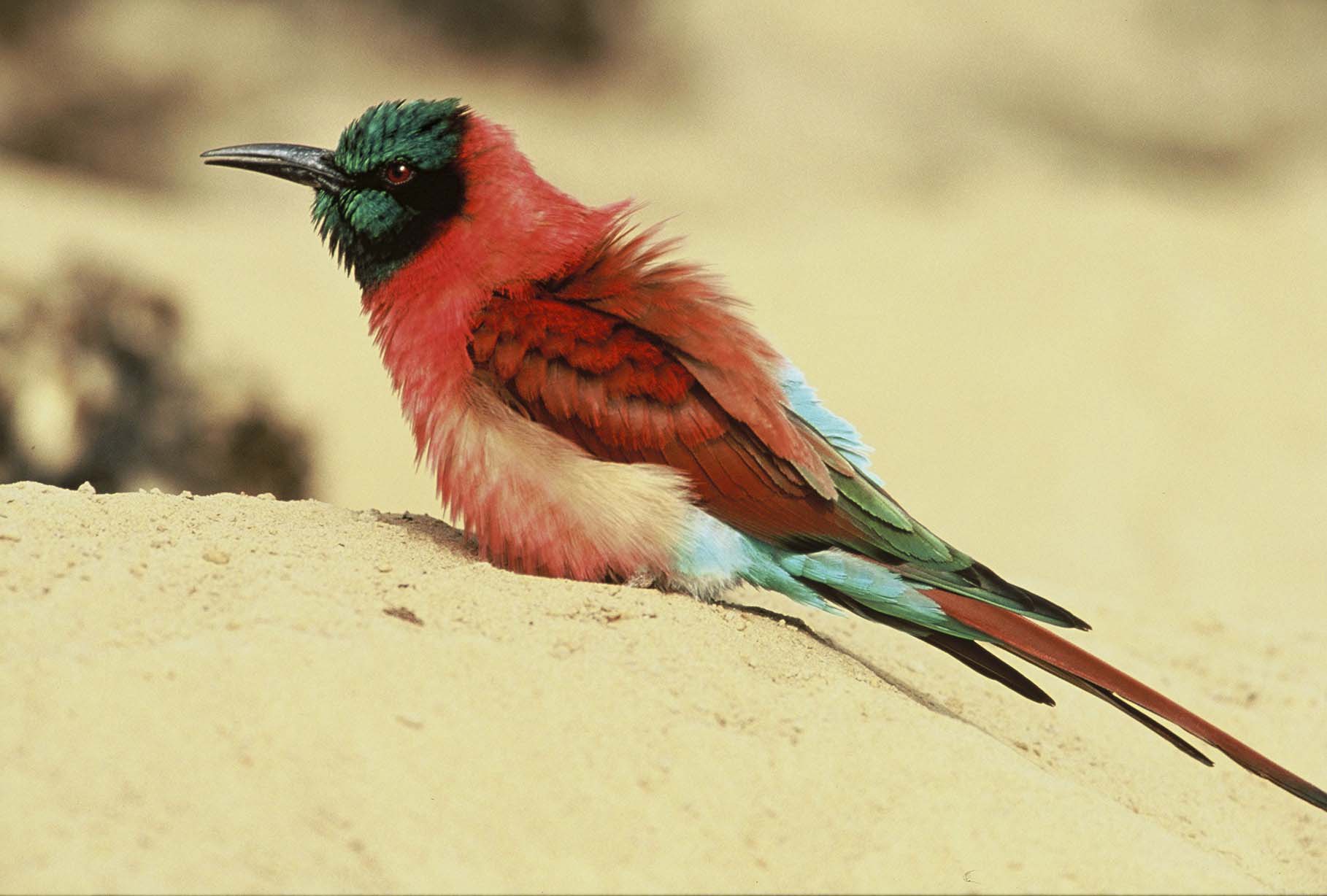
November 30, 2011: Northern Carmine Bee-eater

Nothern Carmine Bee-eater

November 30, 2012  bird is Northern Carmine Bee-eater  Merops nubicus                       (photo@ tony crocetta)

Carmine Bee-eaters are carmine in color, except for its greenish blue head and throat, and the bold black mask-like stripe across their eyes. Their eyes are red and they have a black pointed de-curved beak. Their central tail feathers are elongated. Their legs and feet are blackish brown. The sexes are similar in appearance. It is one of the largest species of Merops at 35cm  long. Young birds lack the elongated central tail feathers and are pinkish brown on the mantle, chest to belly, and flanks.

In Kenya they are passage migrant in the area and its distribution is found in the north western part of Kenya, extending  all the way to coast, in areas around Watamu, Tsavo east, Meru national park, Turkana, Nasolot, Kerio Valley and Lake Baringo.

Northern Carmine bee-eaters hunt mainly by keeping watch for flying insects from a perch. The insect is snapped up in the bill, then the bird returns to the perch, where it beats the prey against the perch until it is inactive. A stinging insect is held near the tip of its tail and rubbed on the perch to be relieved of the venom and sting before being swallowed whole. Besides branches, Carmine Bee-eaters use the backs of game or cattle and even large birds, such as Jacksons Bustard or Storks as animate perches, waiting to catch any insects that they disturb. Carmine Bee-eaters also fly freely to bush fires to prey upon fleeing insects.

For the last 10 years of my birding life, I have never came across any species of bee-eater which fails impress!!! Have a great birding week.

Joe