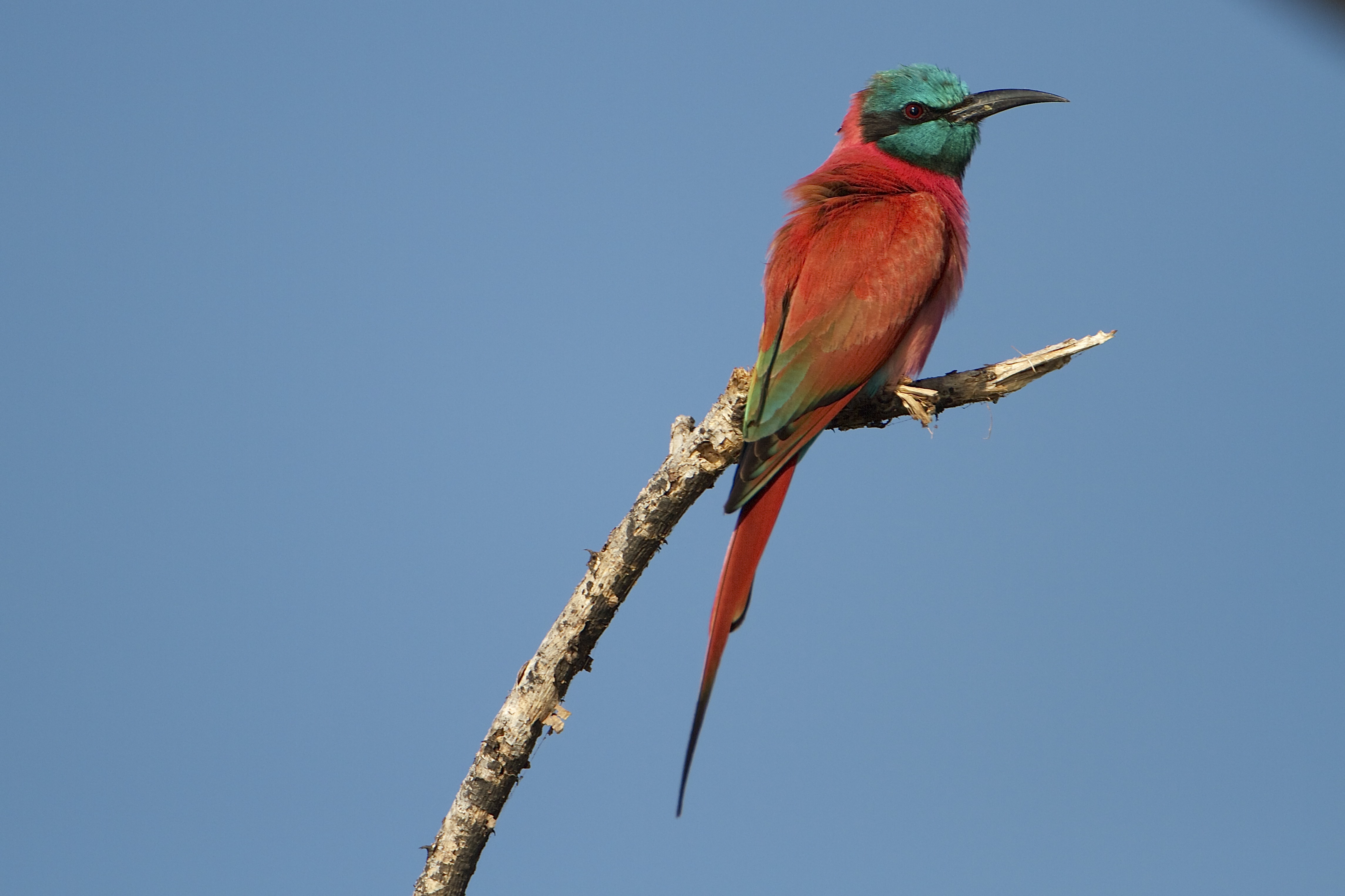
Northern Carmine Bee-eater are a brightly colored and easily distinguishable birds.Adults are rosy carmine-pink with a bright,light blue rump and upper and under tail coverts.The head is iridescent green-blue with a black eye-line,throat and beak. This species is sexually monomorphic.
In Kenya,they are normally seen around September-November as passage migrant to their breeding ground further north-west of Africa.Its habitat is found in wide range of African savanna,including desert,woodland and northern edge of rainforest zones, although avoiding densely wooded areas.They also frequent agricultural fields of open pasture,floods-plains, and marshes ,and have occasionally been seen searching for prey over large bodies of water.
The local birding site likely to see this species while on a birding trip to kenya includes;Lake Baringo,Tsavo East,Sabaki river estuary and the Kenyan coastal stretch.
Yellow-billed is a species of hornbill found in Eastern Africa, preferring dry and semi-arid areas like savannahs and shrublands,and forages on the ground for seeds,insects,and small animals.
They are usually found in resident pairs or small family flocks, often follow groups of Dwarf Mongooses in search of prey and in returned,the hornbill provides security to the mongoose by sounding an alarm when a predator approaches a feeding party of Dwarf Mongooses.
This hornbill exhibit Sexual dimorphisms where males have a larger bill and pinkish bare skin on the throat; females have a smaller bill and black bare skin.
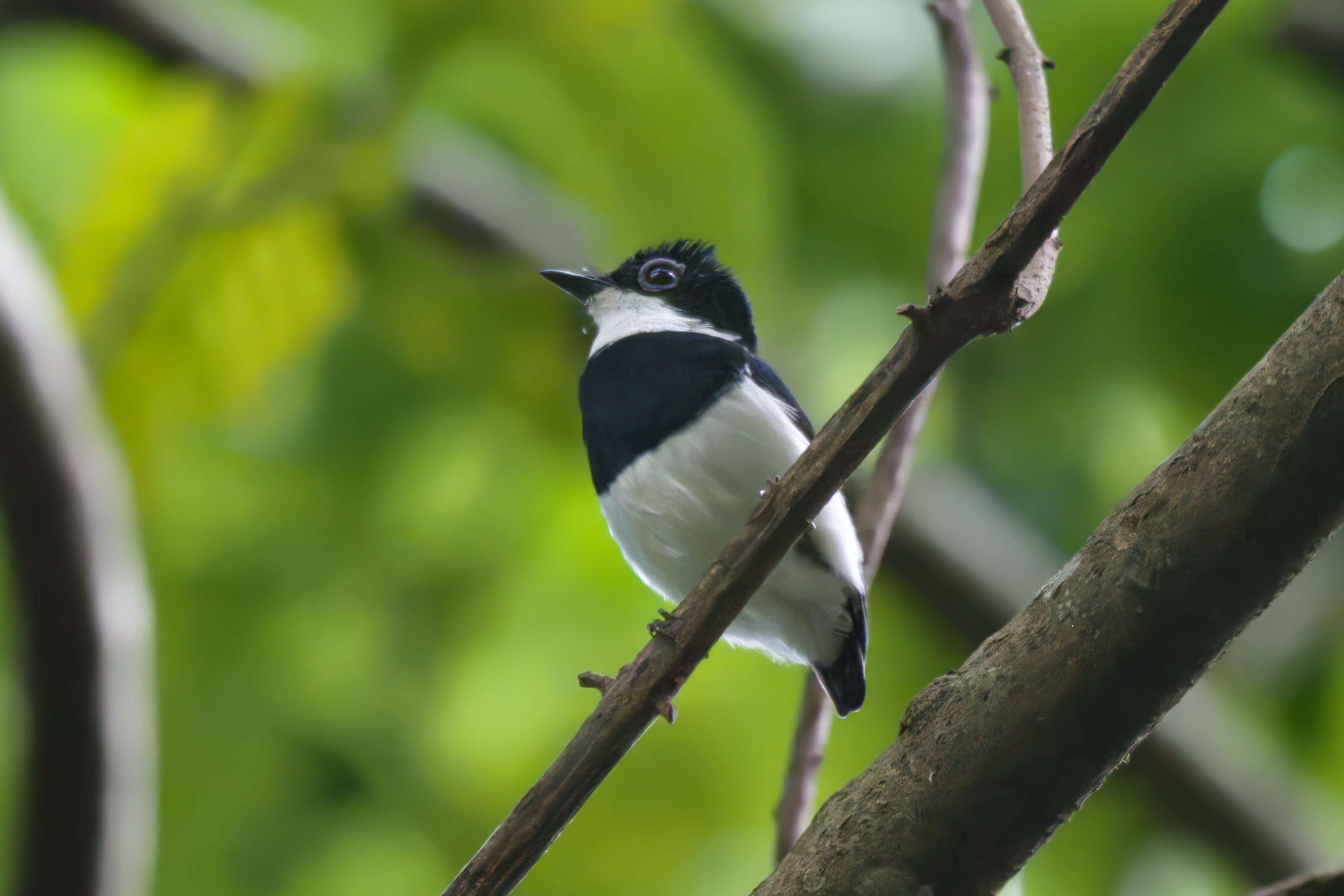
Wattle-eyes belongs to the family Platysteiridae.This family also carries Batises and Shrike-flycatcher.Wattle-eyes are dimorphic and most of this birds derive their name from the more appealing females.
Other than Chestnut Wattle-eye, we also have Yellow-bellied ,Jameson’s and Brown-throated Wattle-eyes in Kakamega forest .On a very productive day,all the fours species can be seen.Their presence is detected by their behavior of audibly flicking their wings and snapping their beaks.
The photograph appearing above was taken by my client Giuseppe Citino.
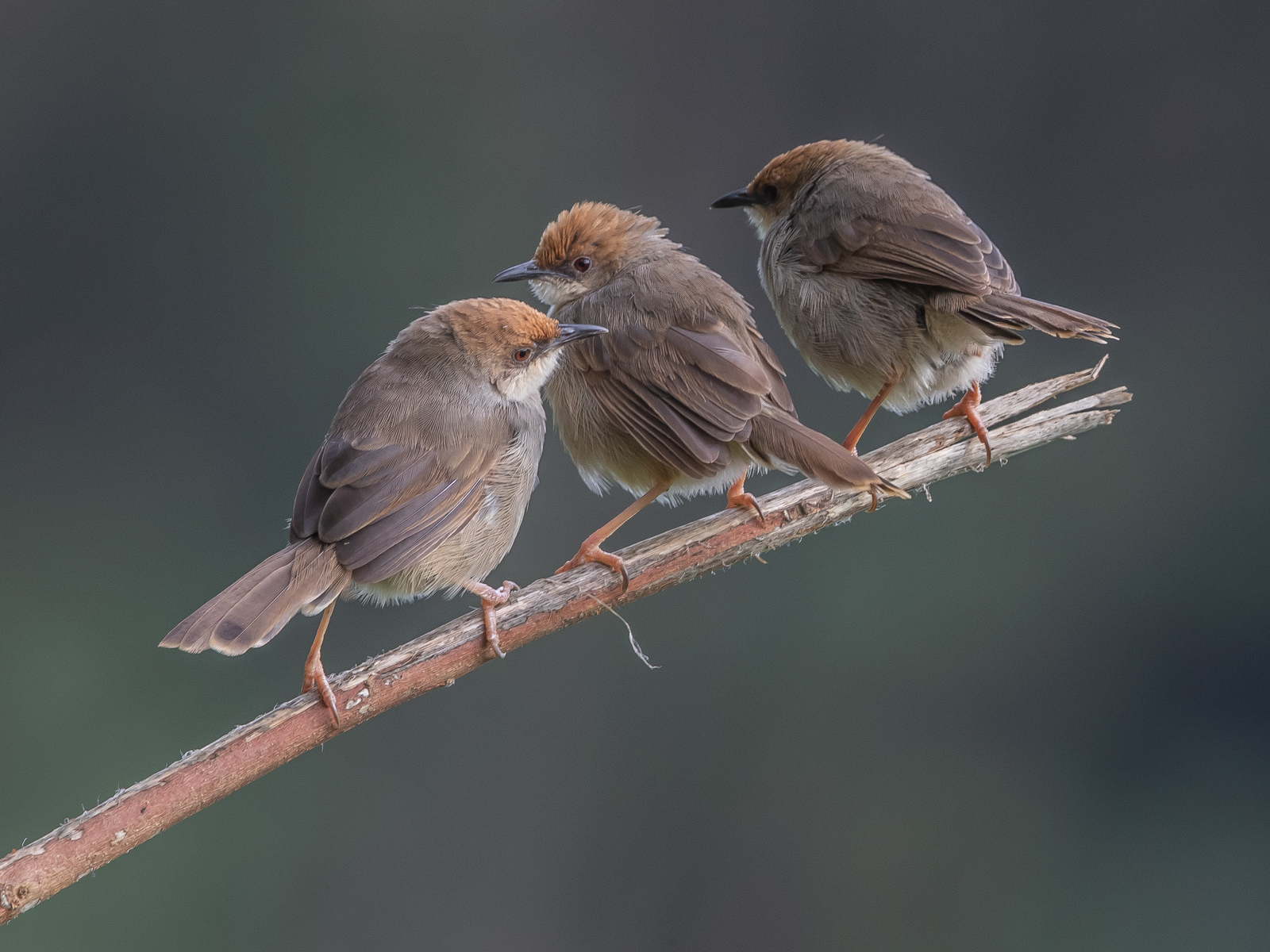
Chubb’s Cisticola.Photo by Juhani Vilpo, a Finnish Wildlife Photographer.
Cisticolas are African warblers which are mostly found in grassland savannas and moist forest habitat of all elevations.Out of 50 species listed,36 of them are found in East Africa and it is known for its field identification nightmares especially if you are birding Africa for the first time.For better identification,it is better to rely on your ears than your eyes….so musical ears and better memory are invaluable assets in this case.
The above photo was taken while on a birding trip to Kakamega forest which is the reliable site to see them in Kenya.
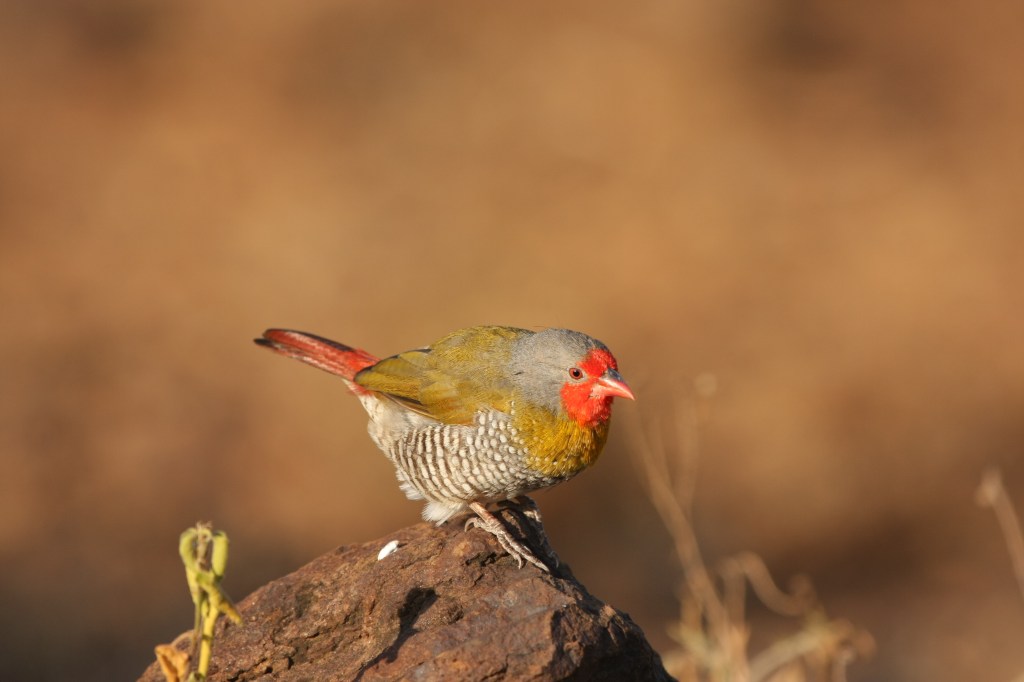
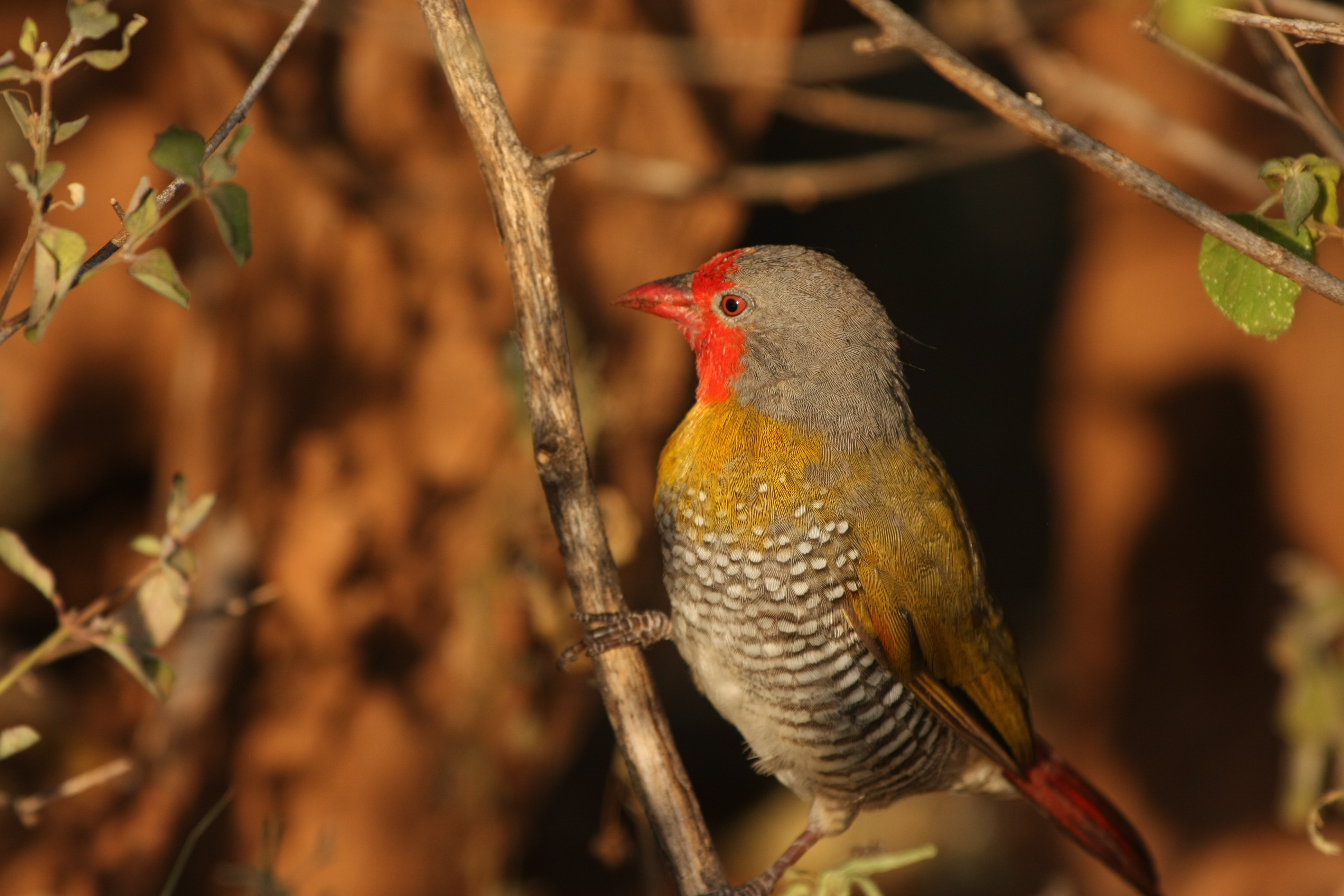
Whenever you out birding in any arid and semi-arid habitat in Kenya,there is one species that will take your breath away on sight,a Green-winged Pytilia.Most of the time,it forages on the ground and prefer grassland habitat with plenty supply of seeds. You can hear it, though, if you’re careful: the high-pitched cheeps in the foreground will always betray their presence.
Photo by Joseph Aengwo
The species also known as Melba finch are always seen in pairs or with a feeding party combined with Purple Granadier,Red-billed Firefinch together with several species of weavers.
Photo by Joseph Aengwo
In Kenya, this species is common in Samburu,Buffalo Springs national park,Amboseli national park,Lake Baringo and Tsavos national park.
African Jacana (Actophilornis africanus) is the common species on the shores of Lake Baringo,one will therefore understand my excitement with the sighting of Lesser Jacana is this area, a new thing for us.In birding we like that element of surprises!. My thinking is that the current flooding experienced in the Lake as encouraged this species to venture out.
Photo by Joe Aengwo
Lesser Jacanan is the smallest of all Jacanas in the planet.Females are larger than males;infact in some species,they weigh two-third more.Jacanas sometimes described as lilytrotters are colourful,long-legged water birds that resemble rails and are found almost exclusively in tropical regions.Their long,spidery toes enables them to walk easily over lily pads or other floating plants,giving them the appearances of walking on water.
Photo by Joe Aengwo
The species spend long periods foraging in aquatic vegetation.It prefer wetland habitat;also reedbed,swamp,and areas of deeper water with suitable surface cover.Occasionally,the birds are also seen in fields and agricultural areas near wetland.
With the only exception of Lesser Jacana, Jacanas are polyandrous in nature(female mate with more than one male) and they also exhibit sex-role reversal.Males tend the nest and care for chicks while the larger, more aggressive females defend the territory from predators. Researchers have theorized that jacanas may have evolved with this unorthodox system to compensate for a high rate of egg and chick loss, which typically is greater than 50% due to their unstable aquatic habitat and attacks by water snakes, turtles, and larger birds.
Photo by Joe Aengwo
If females can spend less time sitting on the nest and more time mating with multiple partners, scientists argue, they can lay more eggs and contribute to the overall success of the species.
Other than this an expected sighting, Lesser Jacana are found in Kenya highlands wetland lands,ponds and man-made dams.
Given the array of color presented by the male’s plumage the name seems appropriate: a pair of yellow bands on either side of a red chest, green on head and back, blue on the lower back and black on the belly and tail. The females are plumaged instead to be inconspicuous and safer from predators: yellowish chest and belly with gray-brown back. Beautiful sunbirds take flower nectar and insects as food. It is a very common species in arid and semi-arid regions of Kenya especially Samburu, Tsavo West,Lake Baringo and Amboseli.
They generally frequent flowering plants and therefore provide necessary conditions for photography.
Over the weekend, I was requested by a friends of mine David to joined him for a birding day trip to Nairobi national park. At 6:00 am, We meet with David at the base of his apartment in Lavington, Kilimani area of Nairobi and after a quick exchange of pleasantries, we were on the road again and in 20 minutes, we reached the KWS headquarters Lagata gate. Being a Sunday morning, we got lucky with the traffic.
David being an expatriate, we had to prove his residency status by queuing in the line with his passport and after 15 minutes, we were allowed entry. Nairobi national park has four distinct habitats;The park’s predominant environment is open grass plain with scattered Acacia bushes. The western uplands of the park have highland dry forest with stands of Olea Africana, Crotondichogamus, Brachylaenahutchinsii and Calodendrum .The lower slopes of these areas are grassland. Themeda cypress, Dgitaria and croton species are found in these grassland areas. There are also scattered yellow-barked Acacia xanthophloea . There is a riverine forest along the permanent river in the south of the park. There are areas of broken bush and deep rocky valleys and gorges within the park and Swamps.
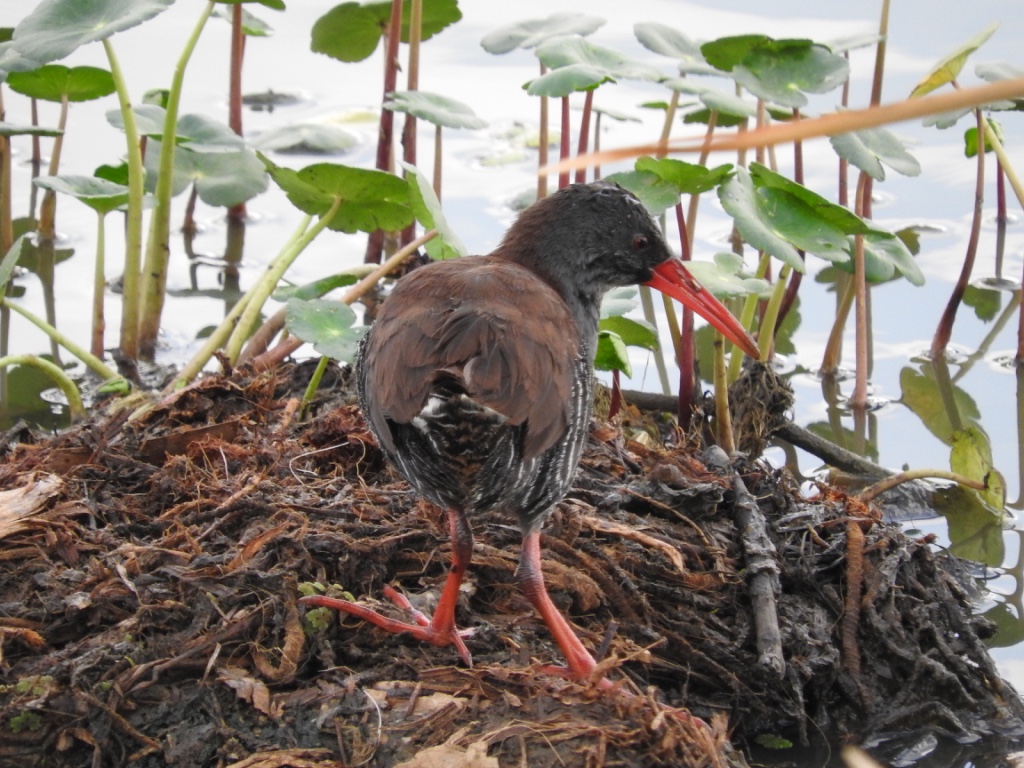
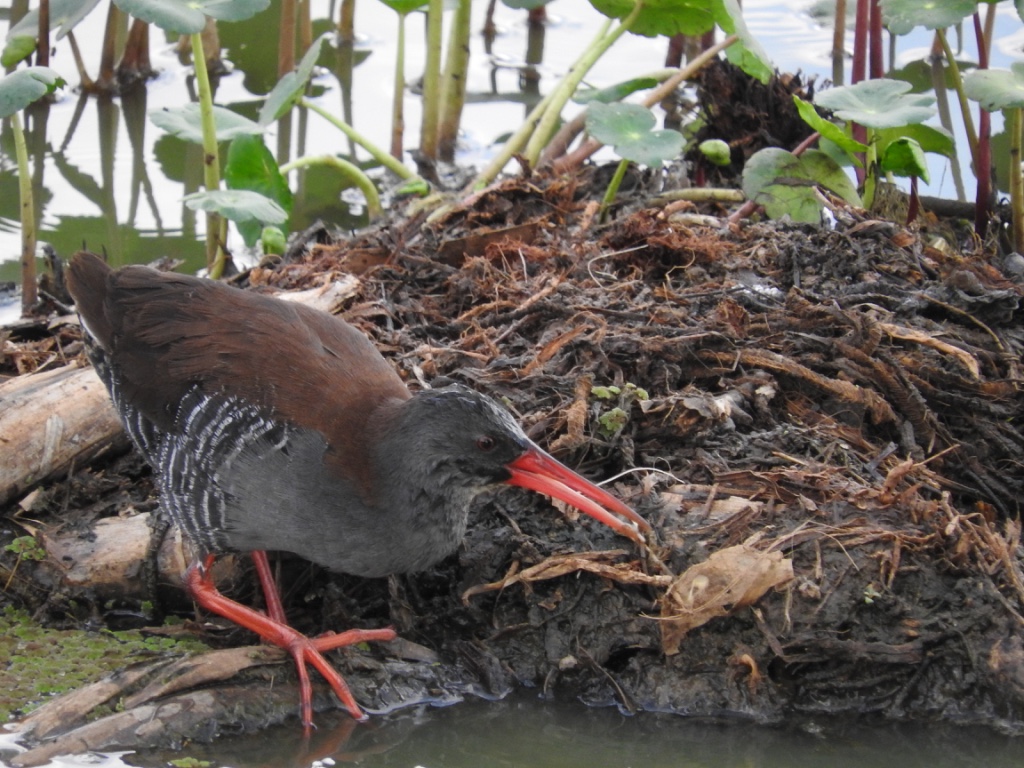
It is from one of those swamps, that we spotted the African Water Rail, this skulker gave us an incredible 2 minutes show and off it disappear in to the tall reeds along the edge of the swamp. Other than the Water rail, we also recorded Lesser Swamp Warbler, Singing Cisticola, Spectacled and Holub’s Golden Weaver, Long-toed, Blacksmith and Spur-winged Lapwing, Long-tailed Fiscal, Pin-tailed Whydah, Northern-pied Babbler and Martial Eagle among others.
And by the way, Nairobi national park was the first park to be established in Kenya in the year 1946 and Nairobi’s skyscrapers can be seen from the park. It is the same park where tonnes of Ivory were burned since 1989 by President Daniel Arap Moi in 1989, Mwai Kibaki in 2004 and Uhuru Kenyatta in 2016. This events improved Kenya’s conservation and wildlife protection image.
On a recent birding trip I guided, My clients and I were lucky enough to have encountered a rare Dwarf Bittern (Ixobrychus sturmii). This was an Eastern- Coastal Kenya design trip and took us to Taita Hill, Lake Jipe, Kitobo Forest, Tsavo West and East National Park, Ndara Ranch and Arabuko Sokoke forest reserve.
Dwarf Bittern is an Intra-African breeding migrant. It breeds in Southern Africa, but East Africa is its non-breeding ground . So, I guess that the bird we recorded was on its way down south.
This was very exciting for me because this was my second observation of this bird in my entire 8 years of bird guiding experience. I read that the bird is widespread in its distribution region but it really be difficult to spot.
Red-throated Bee-eater is an incredibly beautiful Bee-eater to watch…in any birding trip to Uganda, with your best bet being in Murchison falls national park in northern Uganda. As soon as you approach the river Nile, their presence there cannot be ignored, where they are frequently seen going in and out of their nest holes.
The above photo was taken during my recent bird trip to Uganda, where we were visited Murchison Falls National Park, Budongo forest reserve where we extensively birded the famous Royal Miles Trail, we easily picked up our much sort after kingfishers( African Pygmy, Blue-breasted and and Chocolate-backed Kingfisher).
Kibale forest reserve, Bigodi swamp and Samliki were part of the other areas we visited. Kibale and Bigodi swamp were incredibly productive for us, but the same cannot be said of Samliki forest. I think our timing was not the best as it had rain heavily the previous night, so we literally had to walked on the flooded Kirumia trail. We dearly missed our gumboots which we had ignored to bring, next time we will be more clever. Keep birding.






 Over the weekend, I was requested by a friends of mine David to joined him for a birding day trip to Nairobi national park. At 6:00 am, We meet with David at the base of his apartment in Lavington, Kilimani area of Nairobi and after a quick exchange of pleasantries, we were on the road again and in 20 minutes, we reached the KWS headquarters Lagata gate. Being a Sunday morning, we got lucky with the traffic.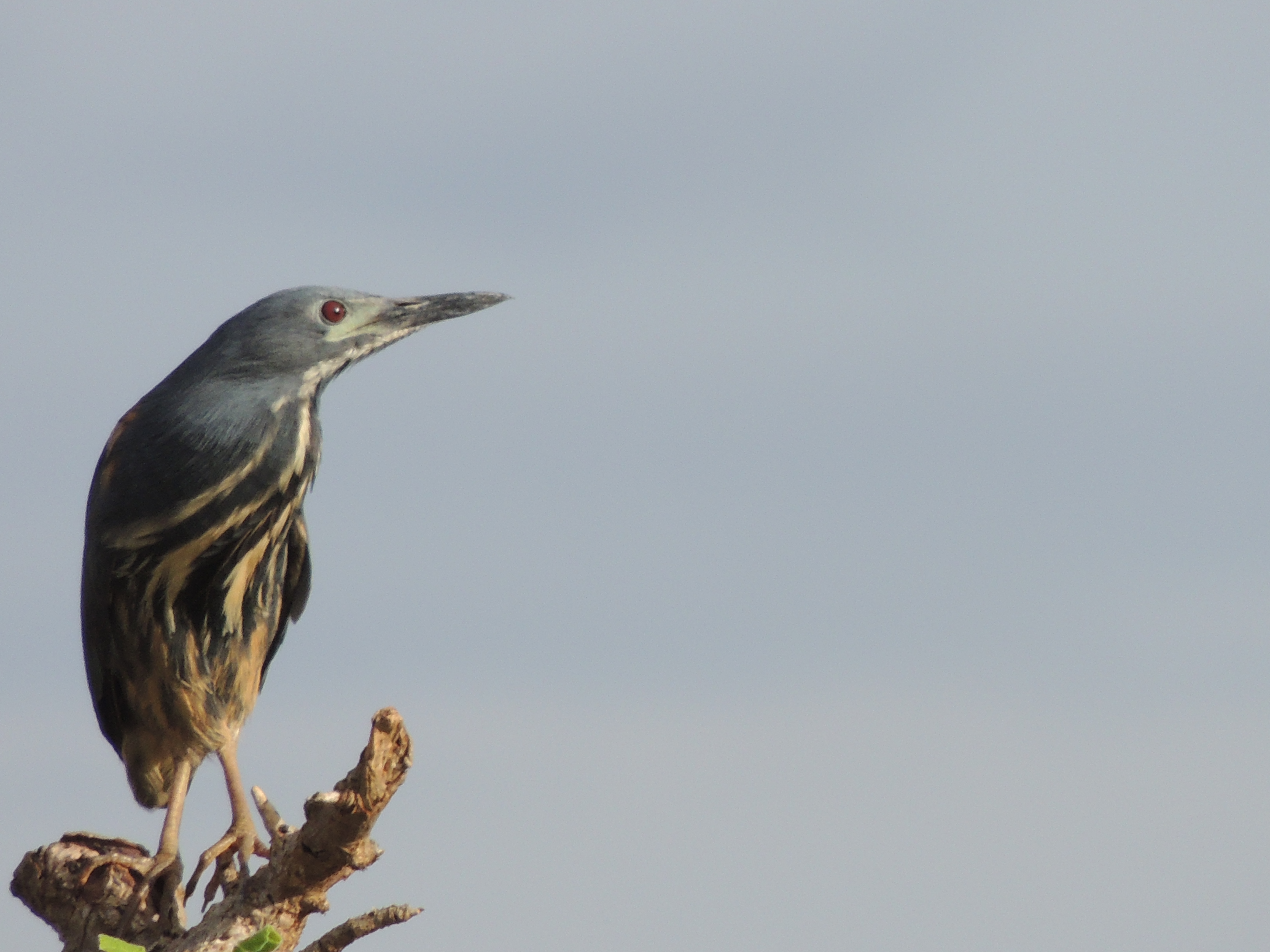

 Kenya Birding