


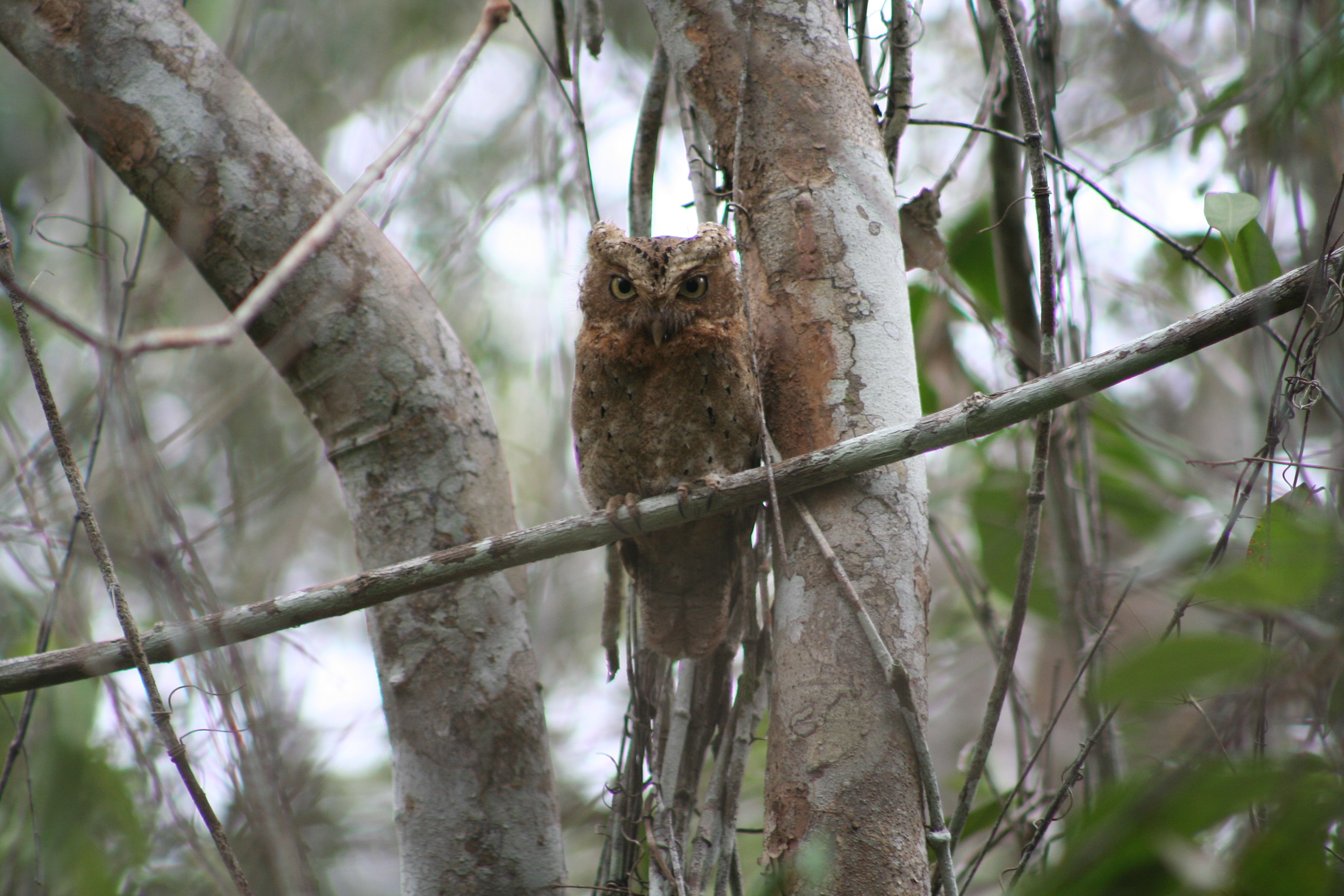
I captured this owl recently in Arabuko Sokoke Forest while traveling with guests in Kenya.
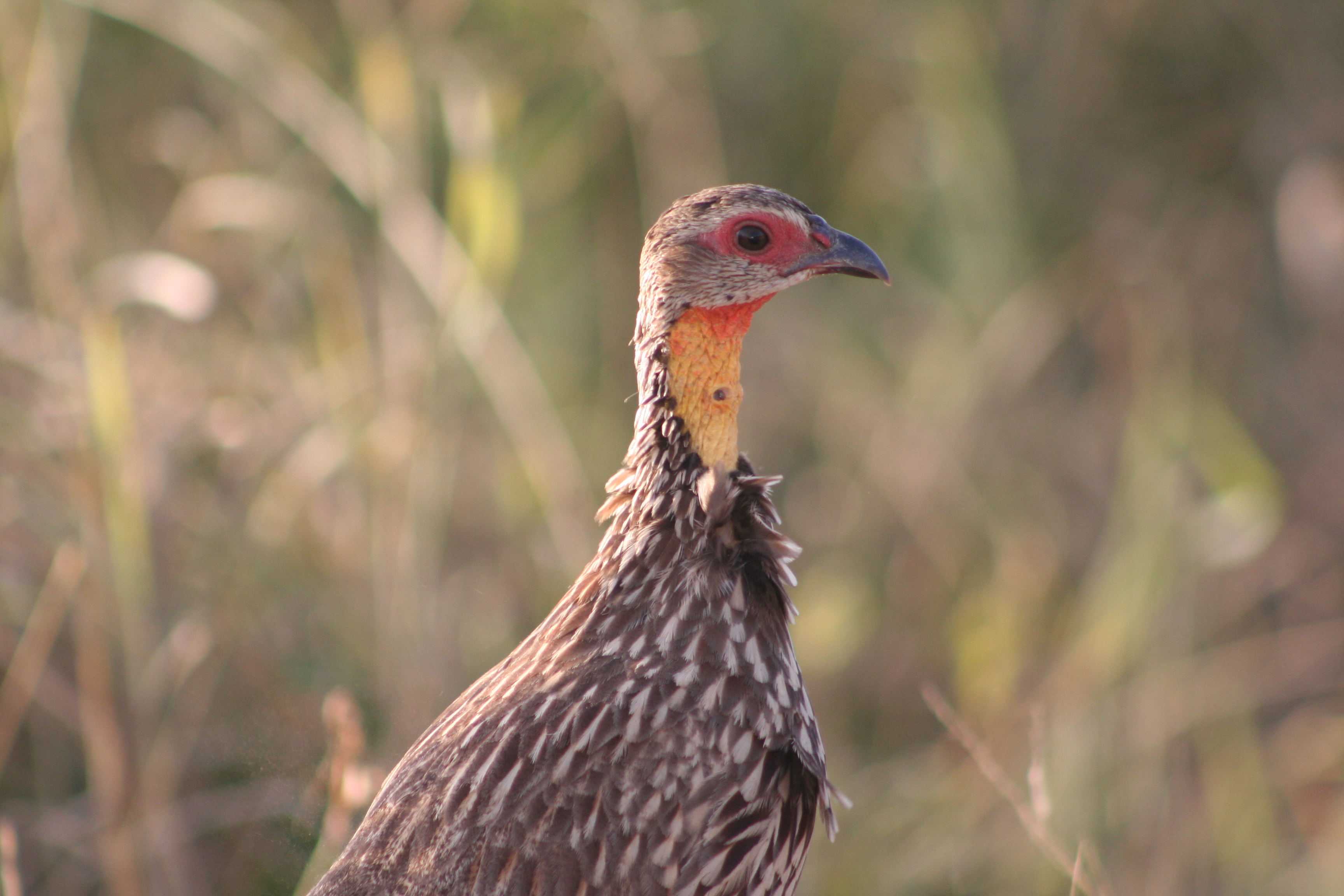
This groundbird is usually cryptically –coloured, though it is frequently spotted on the side of the drive ways in Tsavo West and East National Park, Amboseli ,Samburu and Meru National Park. It is large francolin with a blackish bill, distinctive bare yellow throat and red-orange skin around the eyes. Brown upper parts have some narrow buff streaking, underparts more heavily streaked brown and white. It should be a straight forward bird, and its identification shouldn’t be a problem as such.
In Kenya, two species exist. African and Lesser Jacana. African Jacana which is our today subject of discussion is a diurnal bird which is a very common species in all wetland habitats and is widely distributed across the country.This birds are well-known for their ability to walk on floating vegetation , hence their commonly referred “Jesus bird”.This adaptation is made possible by their extremely long toes with long straight claws.

Adult bird has a striking chestnut body colour with a bright blue frontal shield which extend to the bill. The front neck is white that covers the ear coverts and runs all the way to the breast, while the hind-neck is black. The species exhibit no sexual dimorphism.
Perhaps the most interesting phenomenon about African Jacana is their Polyandrous lifestyle where the responsibilities of incubating and bringing up the chicks are singularly done by the male. Ladies have good time here!!!
This Greyish Eagle Owl was formerly classed as a race of Spotted Eagle Owl, with the latter found in the southern part of the equator , while former is located in northern part of the equator, this is as far as my Kenyan distribution knowledge is regarding this species.
It is a medium to large greyish (grayish) brown owl with dark eyes. Finely vermiculated above and densely so below with barring.

All my records of this species has been from Lake Baringo, Lake Bogoria National Reserve and Kerio Valley. I have been informed of records from Samburu and Meru too.
Stay tuned as I return later next week from a tour and will be preparing a tour report, new photos, bird songs and much more!
– Joe,
have a happy birding week
Hello fellow birders!
I am off on a birding adventure for the next few weeks with some guests! I am armed with binoculars, a scope, a Canon Rebel XT, and a panasonic mp3 recorder, with which I hope to capture some special birding moments to share with you.
In the meantime, enjoy the Bird of the Week; this unique and beautiful stork.
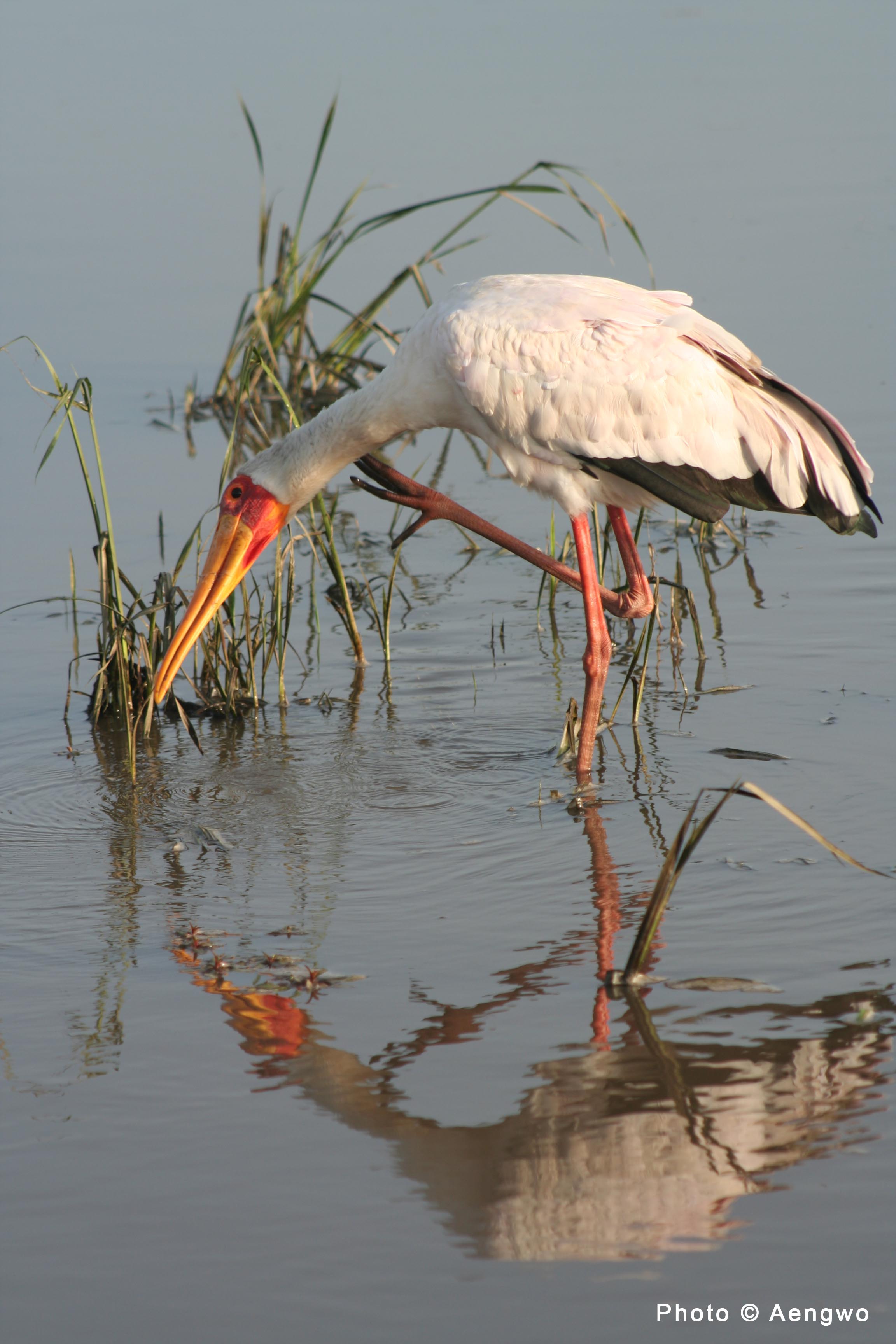
One of the tallest species of storks is the Saddle-billed Stork, Ephippiorhynchus senegalensis, which stands up to 58 in. high. It has a large crimson bill with a black band and a triangular yellow frontal shield (or saddle), and has black legs with reddish joints. The overall coloring is black and white–the head, neck, tail and wing-coverts black, the remaining plumage and the flight feathers white. It breeds in sub-Saharan Africa, generally by rivers. The large nest is built of sticks in the tops of tall trees. It lays one egg. It feeds on grasshoppers, fish, frogs and lizards.

They can either be found in solitary or pairs, they prefer moist habitat of lake shores, swamps and rivers. In Kenya they are widespread and be spotted in areas like Maasai Mara game reserve, Lake Baringo, Nakuru, Naivasha and Lake Victoria, Meru National Park and the coastal strip.
Enjoy the song of a Slender-tailed Nightjar that I recorded in Lake Baringo.
– Joe

Common Ostrich is one of the two species in Kenya, the other is Somali Ostrich found in the northern eastern part of the country. Their distribution in Kenya is widespread. They are the tallest and heaviest birds in the world and belong to a primitive group called rarities. Because of their poorly developed sternum, they do not have the place where the muscle required to aid flight can be attached. They are adopted to terrestrial lifestyle. They can run incredibly fast.

Ostriches have sexual dimorphism where the male is brownish black with white wings, tail and neck ring. The female appears in a generally grey-brown with pale feather edge with neck and legs being pale-pinkish.
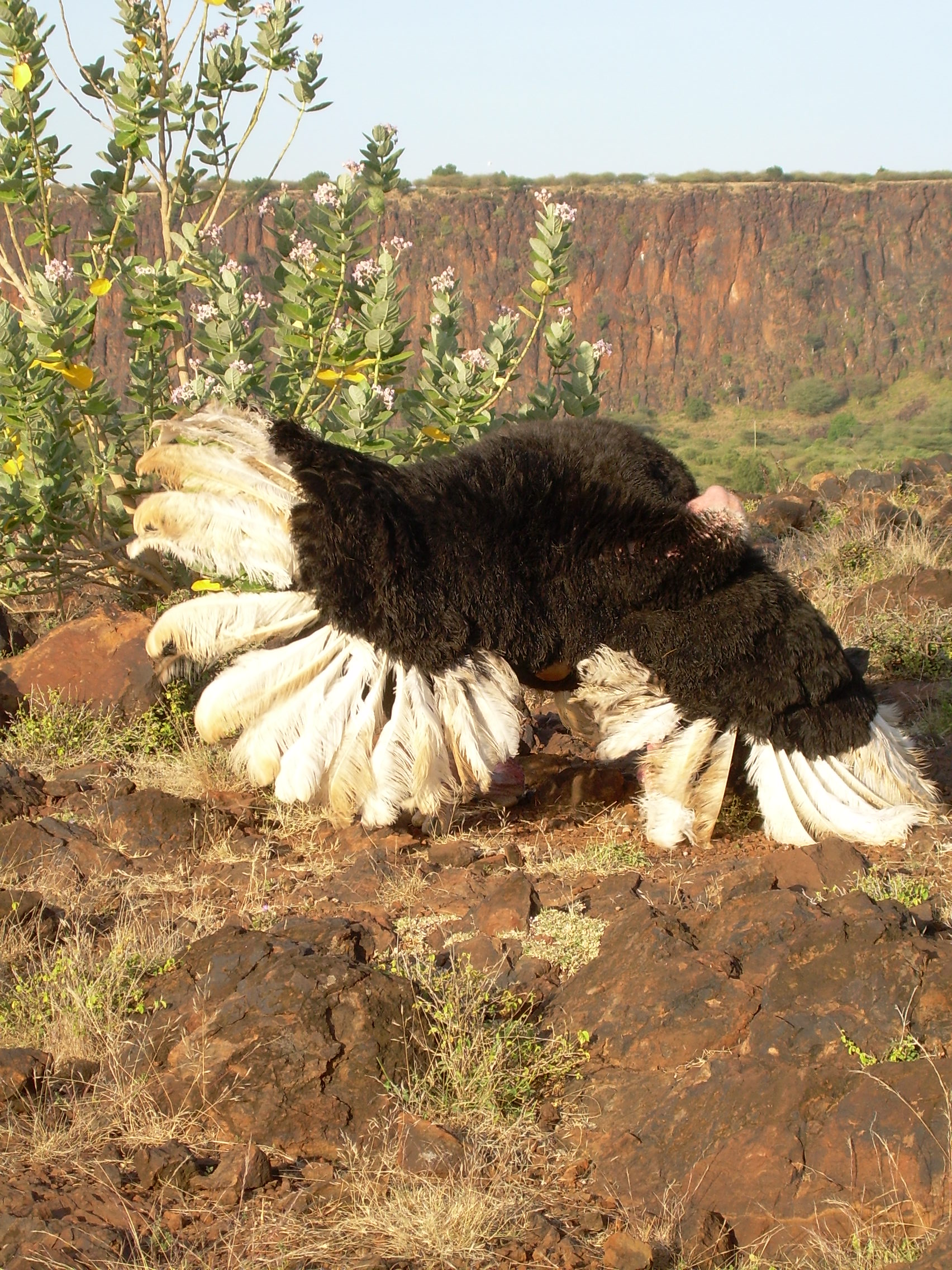
The photos taken show the male performing their normal interesting courtship display mostly referred to as kantling, whereby they squat down and then sway from side to side while fanning and quivering their outstretched wings. This is thought to induce the female into wanting to mate.
I managed to capture these outside my home in Lake Baringo. This guy is a bit confused as he performed the dance for me! Perhaps I look like a female Ostrich. Enjoy this rare glimpse at the Common Ostrich’s courtship display.




I’ve been updating the blog with new sections, including Birding Hotspots in Kenya and East Africa, which I will be updating throughout this week, as well as Birding Trip Reports. Below is the most recently added report from a non-birding tour I hosted over the holidays. Enjoy the Birds! Kenya may have turned my guests into birders!
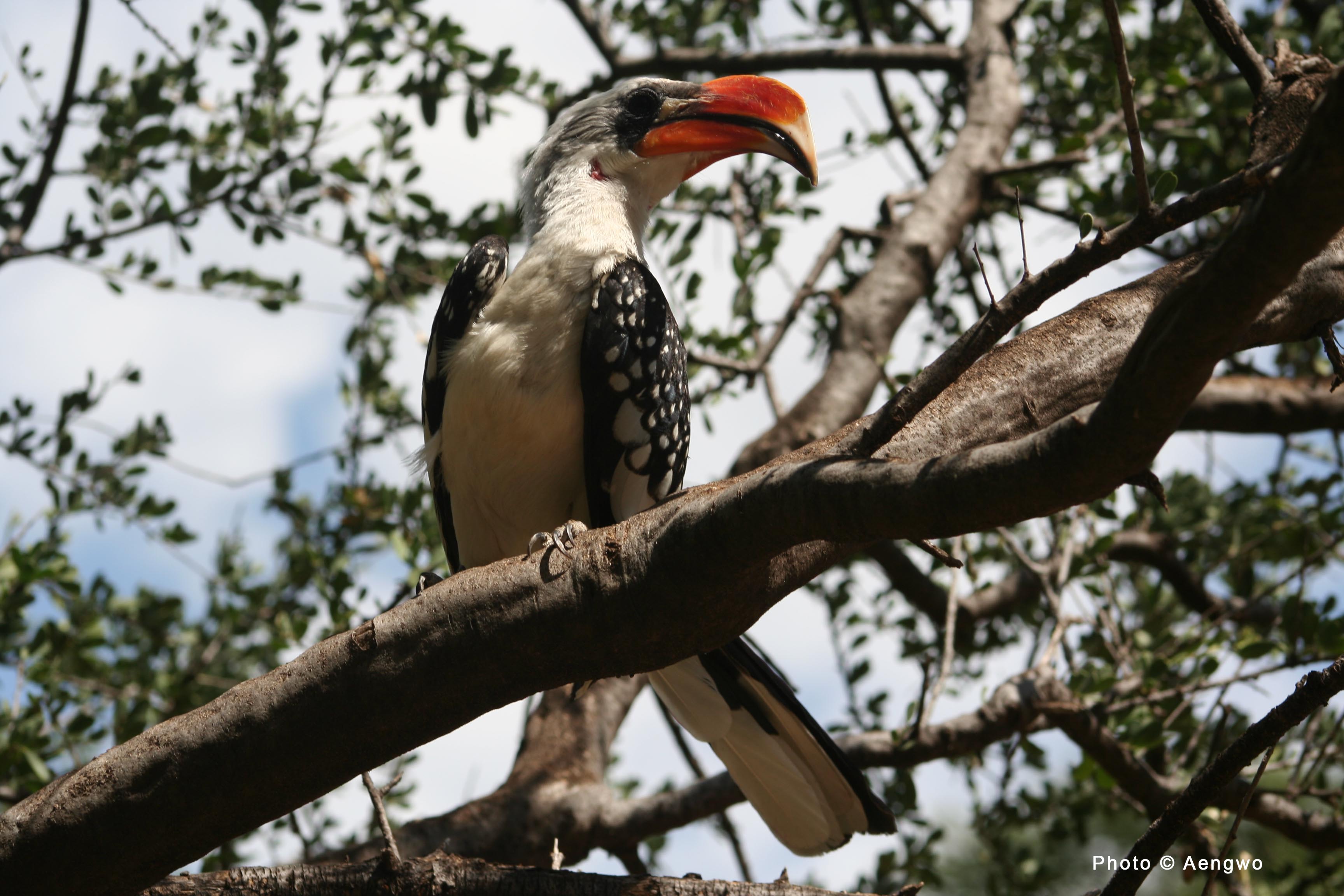
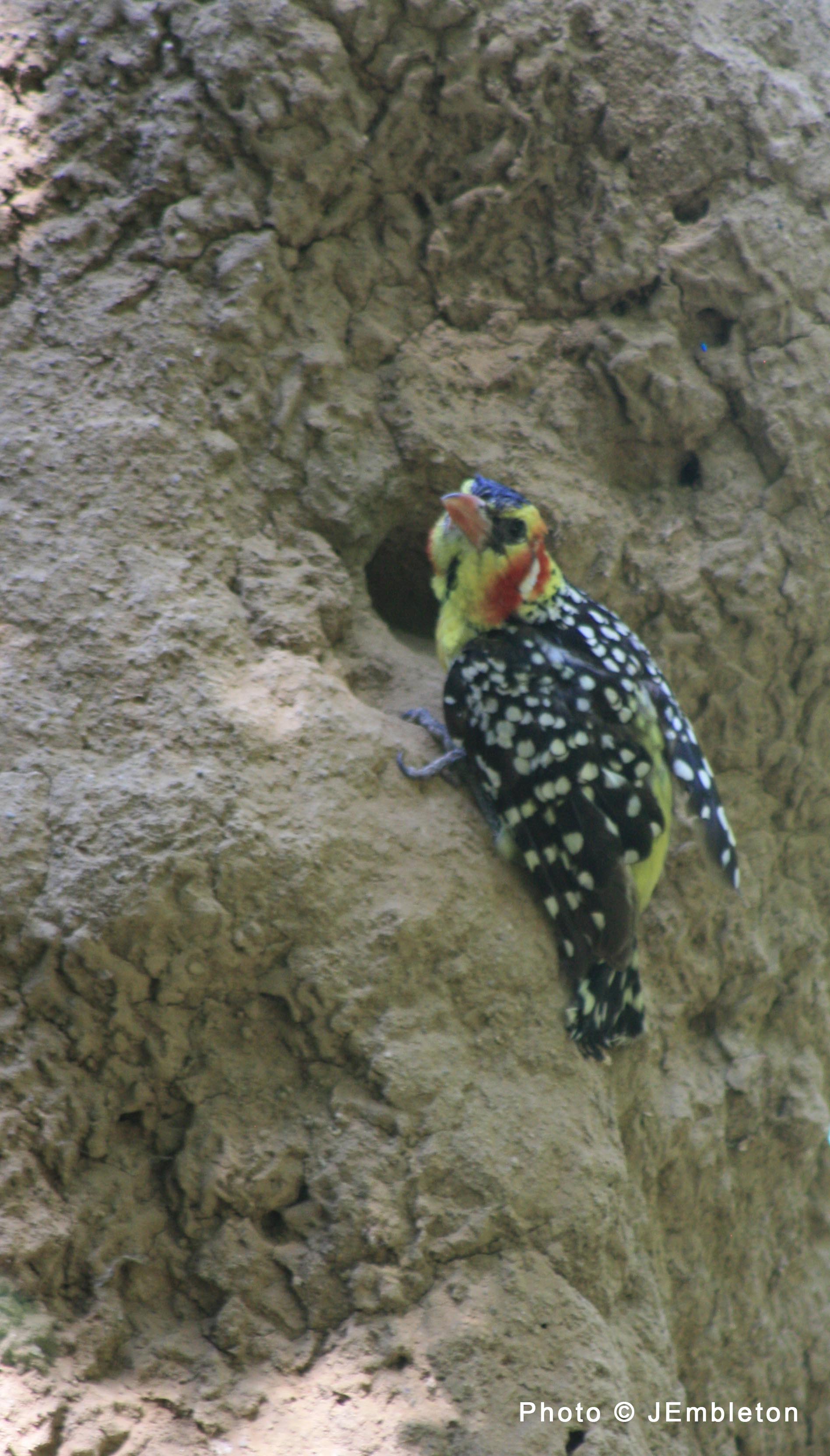
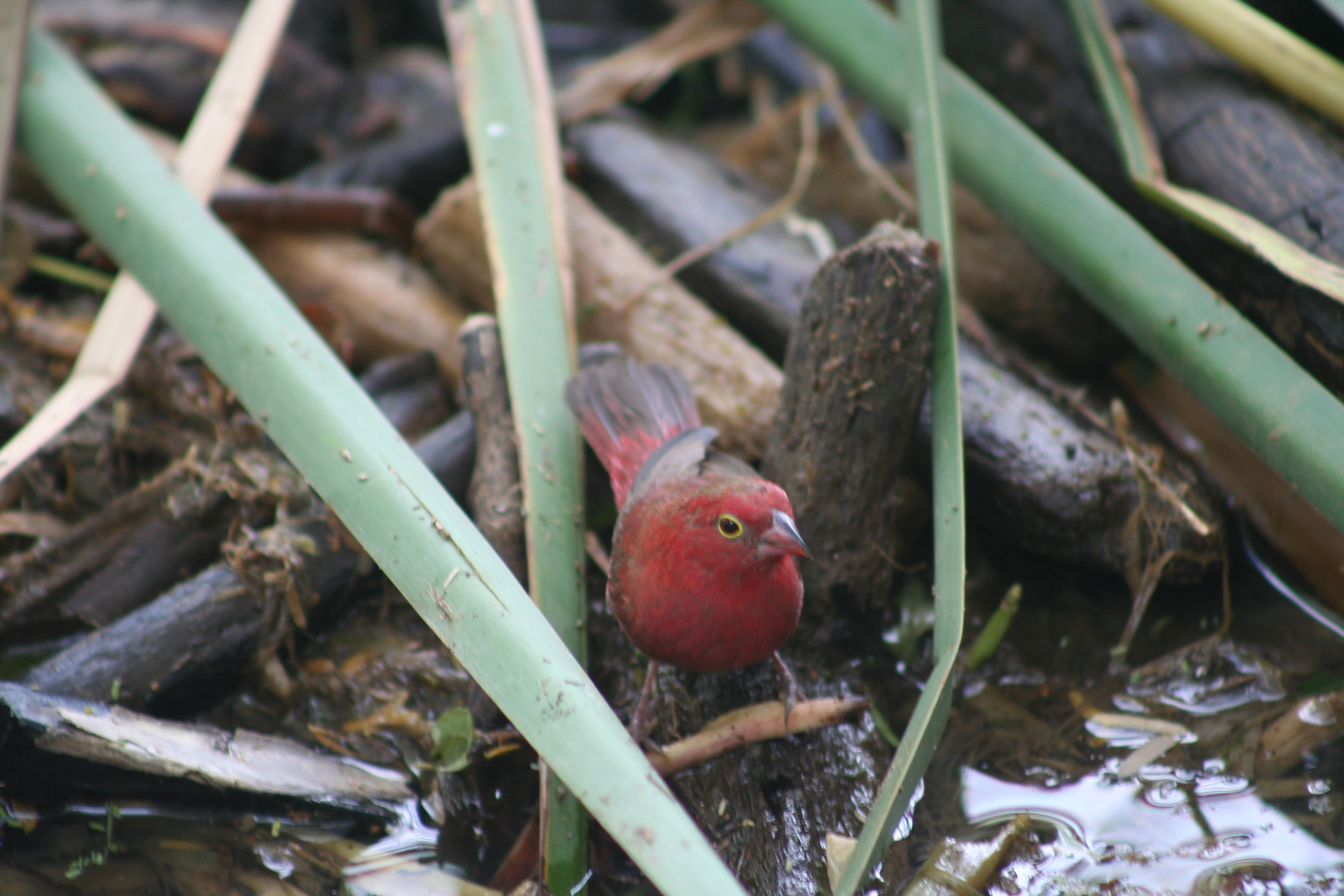
On my recent trip with two Canadians, which took us to Maasai Mara National Reserve, Lake Baringo, Kaptagat Forest and Diani Beach, we managed to see 155 species, though they were not really serious birders as such. It was more of a Christmas holiday. I was however impressed of how many species came our way!!! Kenyan birdlife is impressive!!! Have a great birding new year. The photos were taken during this trip.
Species seen during the tour:










 Kenya Birding