


Oxpeckers will sit on certain mammals and target the ticks and other small parasites found on the skin and in the coats of these animals. Oxpeckers’ bills are especially adapted to their lifestyle. The bills are pointed as well as laterally compressed which helps the birds work their way through the coats of the mammals in a comb-like fashion and to pry out well embedded parasites.
The birds are also known to help clean-up open wounds. What they are after around the open sore is the rotting wound tissue. Oxpeckers are quite efficient at cleaning these lesions.
Their legs are also well adapted to a life spent perched on mammals. The legs are shortened to enable them to grip onto their moving hosts. Powerful toes and sharp nails further benefit the Oxpeckers in their quest to feed and as a spin off keep their mammal hosts’ parasite numbers under control.
The birds are also known to help clean-up open wounds. What they are after around the open sore is the rotting wound tissue. Oxpeckers are quite efficient at cleaning these lesions.
Their legs are also well adapted to a life spent perched on mammals. The legs are shortened to enable them to grip onto their moving hosts. Powerful toes and sharp nails further benefit the Oxpeckers in their quest to feed and as a spin off keep their mammal hosts’ parasite numbers under control.
The Redbilled oxpecker Buphagus erythrorhynchus, is one of only two species of birds in the family Buphagidae. It is a fairly common bird, found in the savannah grassland and semi-arid regions Kenya. The only other species in the Buphagidae family, the yellowbilled oxpecker, is far less common.
Redbilled oxpeckers only occur where there are animal hosts for the species of insects – mostly ticks – that the birds eat. The hosting animals are generally antelope like impala or kudu, or larger mammals such as zebra, giraffe, buffalo and rhino. In farmland areas, the hosts can also be domestic stock such as cattle. Elephants and a few species of small antelope will not tolerate the birds at all.
The Red-billed Oxpecker is a starling sized-bird. Although it is a fairly plain olive-brown with creamy under-parts, the bird is very easy to identify. Adults have totally red beaks and distinctive yellow rings around their bright red eyes. They have strong legs and long, particularly sharp claws which enable them to cling onto the sides and backs of their hosts at precarious angles. They also have short, stiff tails which are used as props. Aside from the colour, it is in the shape and action of their beaks that one sees the biggest differences between the two oxpecker species. The yellow billed oxpecker uses its stout beak to pluck parasites off its hosts. The red billed cousin uses its slimmer, flatter beak in a scissor-like motion to remove its meals. This same sharp beak is also used to peck at any sores or scabs on the host.

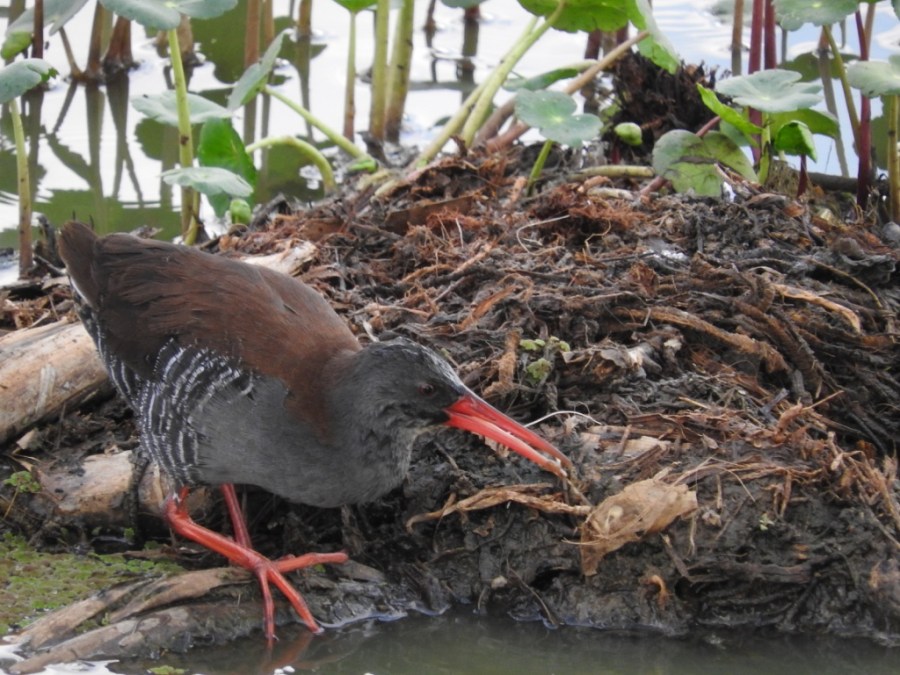 Over the weekend, I was requested by a friends of mine David to joined him for a birding day trip to Nairobi national park. At 6:00 am, We meet with David at the base of his apartment in Lavington, Kilimani area of Nairobi and after a quick exchange of pleasantries, we were on the road again and in 20 minutes, we reached the KWS headquarters Lagata gate. Being a Sunday morning, we got lucky with the traffic.
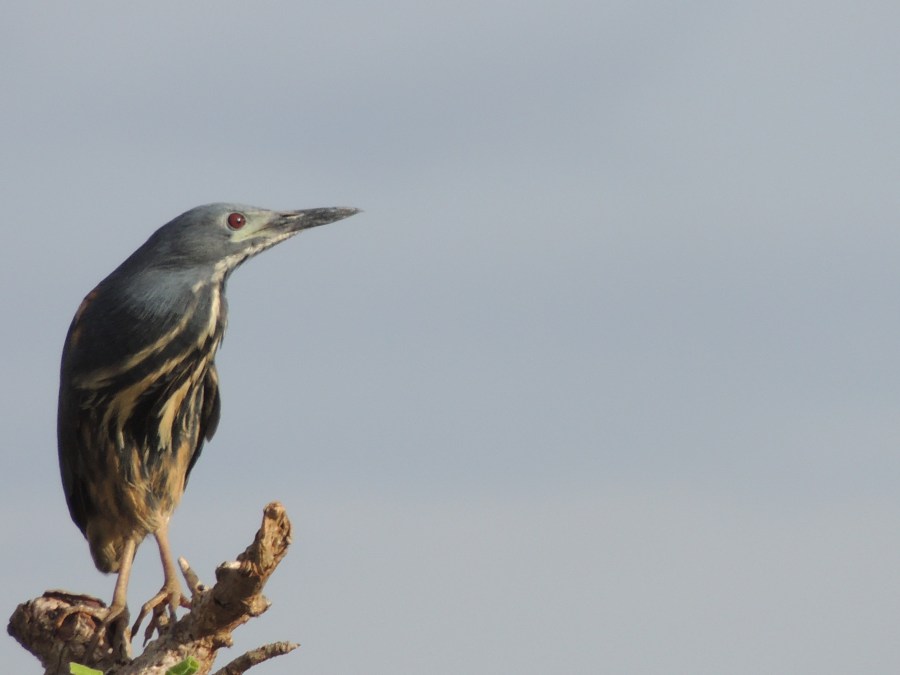
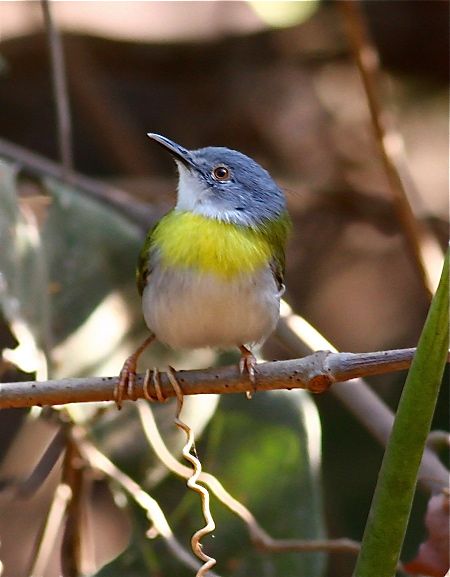
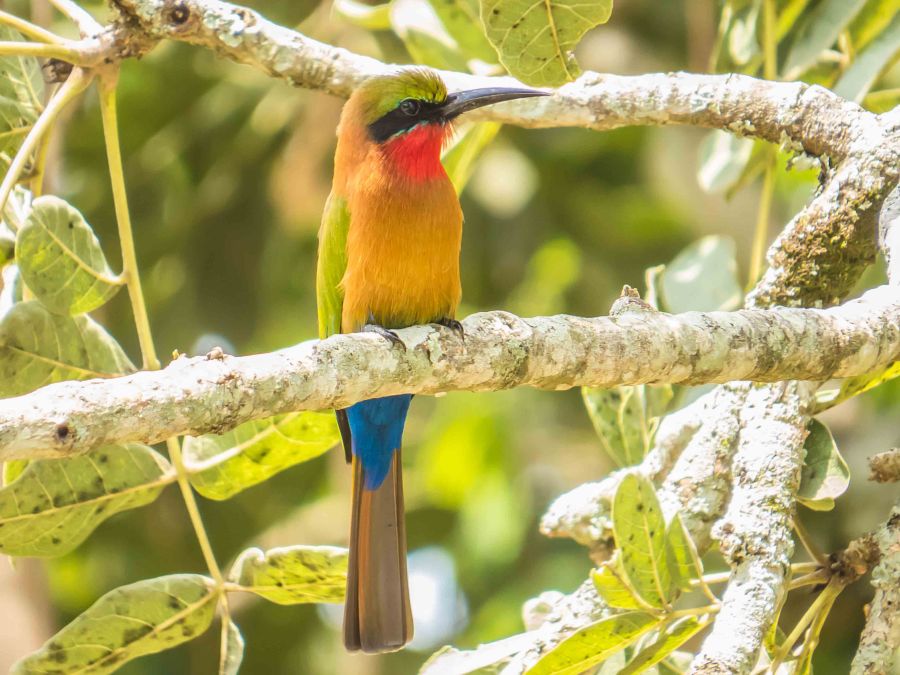
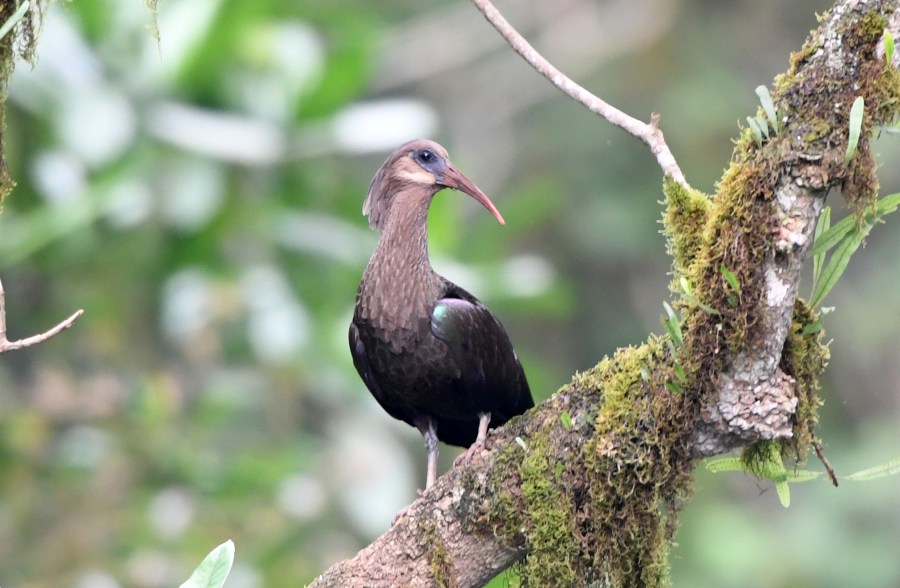
 Abyssinian Scimitarbill in our region occurs in two races , R.m. minor is found in north eastern part of Kenya, while the race R.m. cabanisi is found in southern Kenya. This species can easily be mistaken for Woodhoopoe, although woodhoope are gregarious while Scimitarbill is solitary in its movement behavior. Its bill is more curved down almost giving the Sunbirds bill impression, and on flight the bright red curved billed contrast with uniformly dark-blue plumage. They inhabit light woodlands, dry Acacia bush and thorn-scrub especially along dry river bed. Generally, it a widespread species.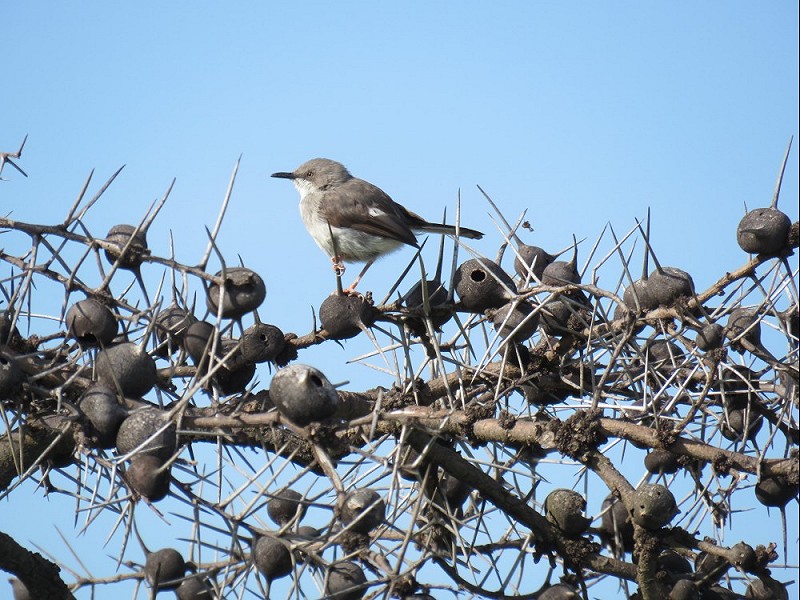

 Kenya Birding