
The Saddle-billed Stork is a majestic and resilient species, whose stunning appearance and specialized behaviors make it one of the most remarkable birds of sub-Saharan Africa.

Photo by Joe Aengwo

The Saddle-billed Stork is one of the largest storks in the world, standing up to 1.5 meters (5 feet) tall. It is easily recognizable due to its unique black and white plumage, bright red legs, and the large, bicolored bill, which has a black base and a yellow section resembling a saddle. The bill’s distinctive shape helps the bird forage for fish and amphibians, which make up a large part of its diet. This bird also exhibits sexual dimorphism, with males typically being slightly larger than females.

They prefer shallow, slow-moving waters where they can wade and forage for food. The stork is usually solitary or found in small groups, although some may form pairs during the breeding season. They often choose to nest in tall trees near water, constructing large, conspicuous nests that are used year after year.
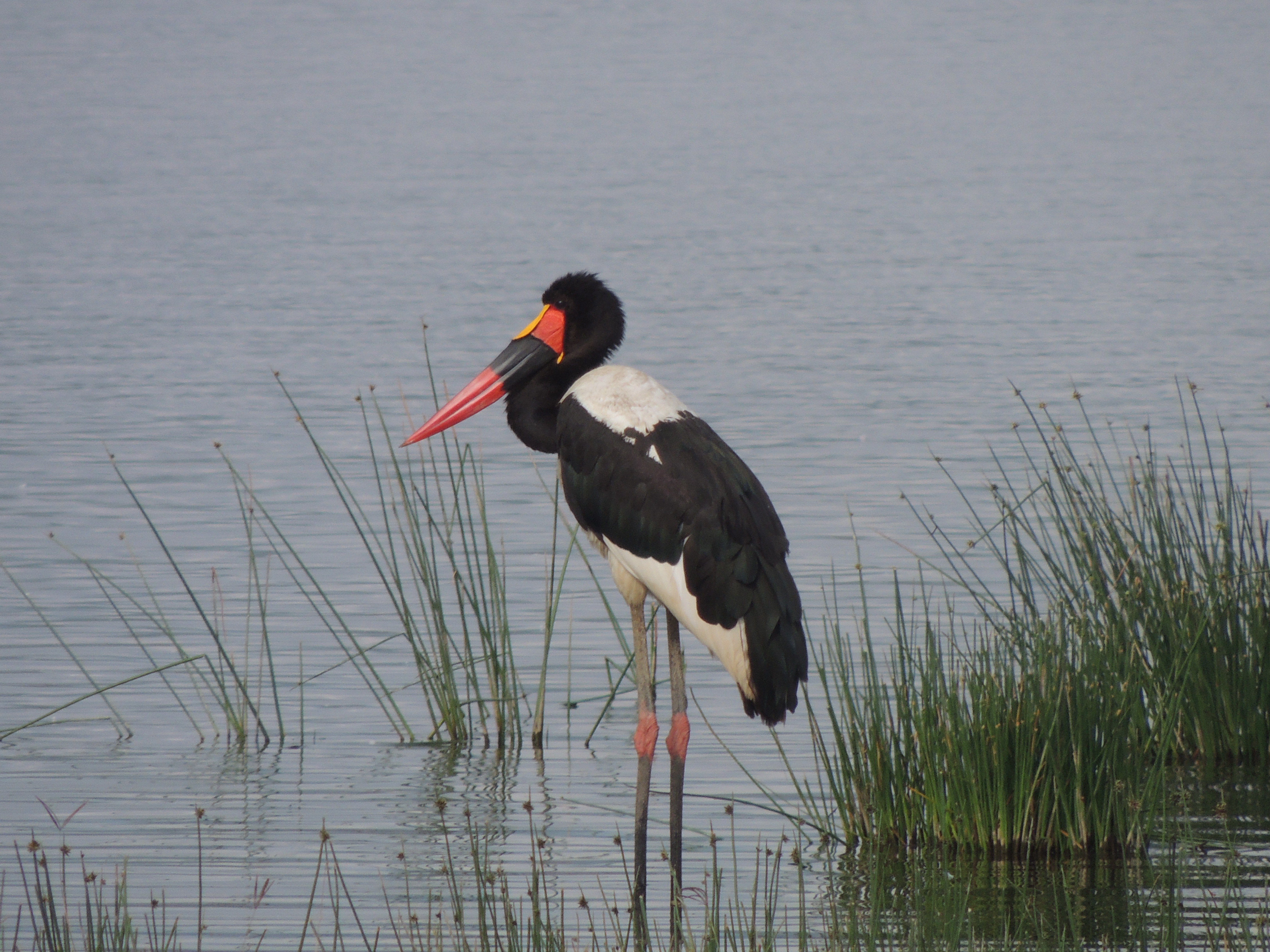
Saddle-billed Storks form monogamous pairs during the breeding season, which typically occurs during the rainy season, when food is abundant. They build large nests in tall trees, and both parents share the responsibility of incubating their eggs. The female typically lays one or two eggs, and both parents take turns keeping them warm for about a month. Upon hatching, the chicks are fed a diet of regurgitated food from both parents until they are able to forage on their own.Though they are not yet considered endangered, the Saddle-billed Stork faces threats from habitat destruction, particularly the draining of wetlands for agriculture and development.

They also face threats from hunting in some areas and the disturbance of their nesting sites.By continuing to protect its wetland habitats, we can help ensure that future generations will be able to admire this iconic and important bird species.Keep birding!.
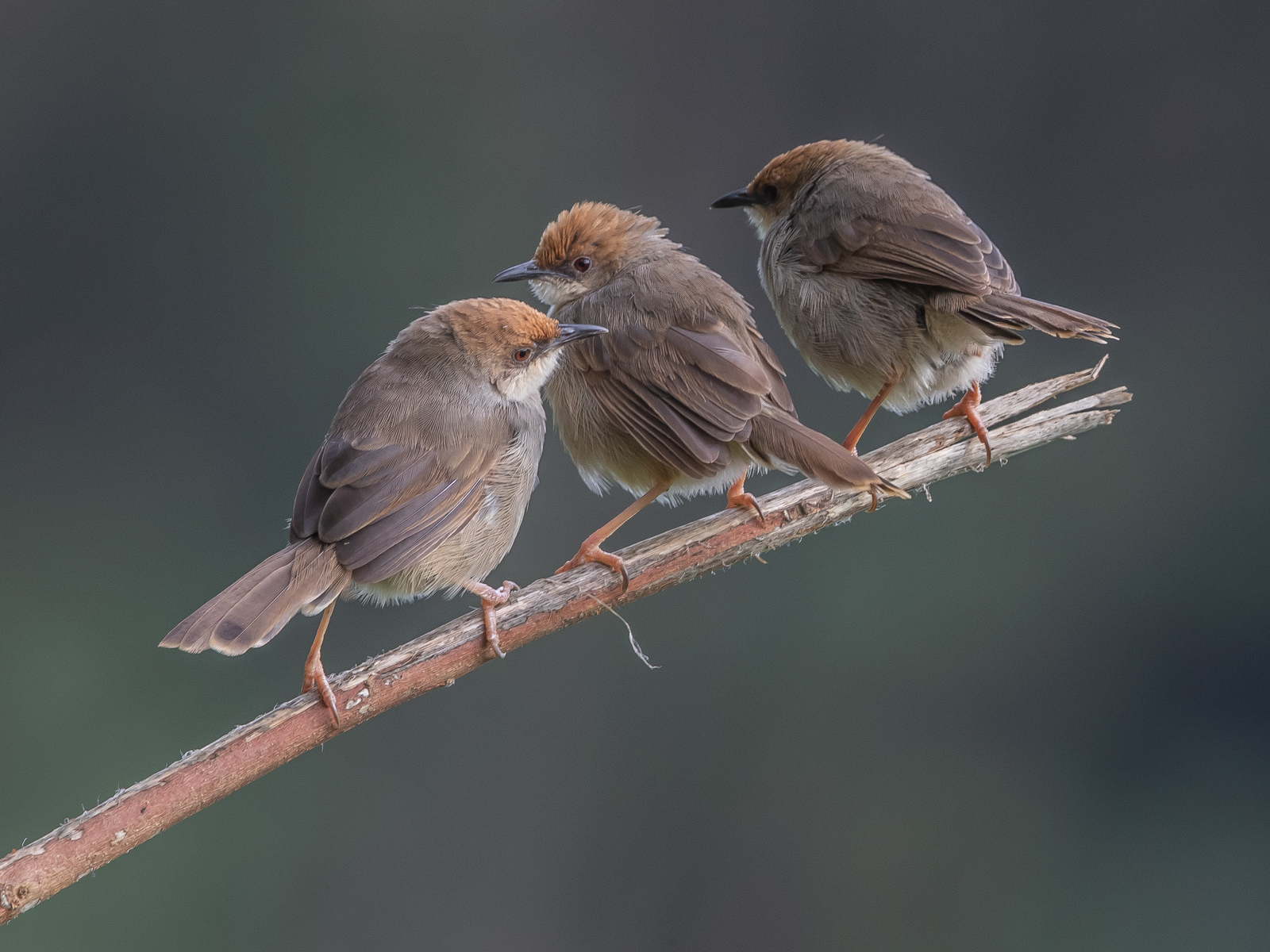
Chubb’s Cisticola:The Highland Duetter of Kakamega and South Nandi Forest.

Chubb’s Cisticola.Photo by Juhani Vilpo, a Finnish Wildlife Photographer.

Cisticolas are African warblers which are mostly found in grassland savannas and moist forest habitat of all elevations.Out of 50 species listed,36 of them are found in East Africa and it is known for its field identification nightmares especially if you are birding Africa for the first time.For better identification,it is better to rely on your ears than your eyes….so musical ears and better memory are invaluable assets in this case.

The above photo was taken while on a birding trip to Kakamega forest which is the reliable site to see them in Kenya.

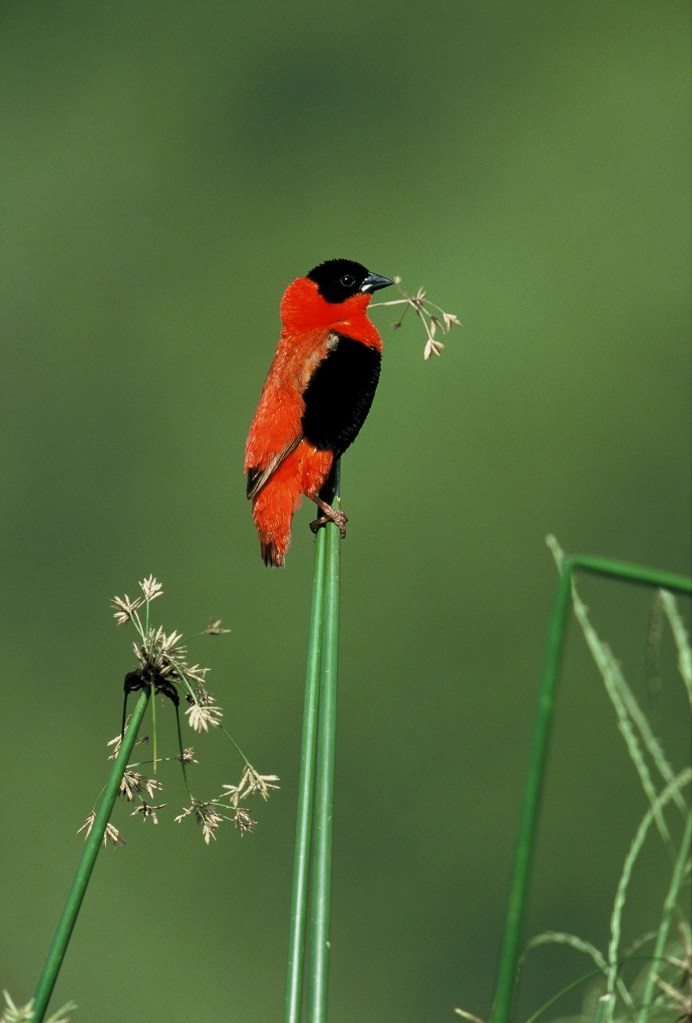
Northern Red Bishop, the scarlet beauty found on the shores of Lake Baringo.

Photo by Tony Crocetta

Baringo, a shallow freshwater Lake, lies 110 km north of Nakuru town.  500 species of birds are one of its biggest draws. Baringo’s bird population rises and falls with the seasons. The dry season is normally the leanest time for birders, but the lakeshore resounds with birdsong at most times of year.

The shoreline is bursting with birds and photography is prime here because the birds quite approachable. Egrets, Herons, Kingfishers and Bee-eaters are the stars here.

If you are in the area at the right time of the year when the male Northern Red Bishop is on its full breeding plumage, you have the privilege to witness its courtship flight. Photographic opportunities are immense as the polygamous male tries to impress the females.  

This species is sexually dimorphic and polygynous, with the males being particularly larger than the females. The genus Euplectes is notorious for sexually selected characteristics, including elaborate displays and elongated tail feathers. The bright orange-to-yellow plumage with a contrasting dark black pigment is for attracting mates.

Northern Red Bishop inhabits tall open or bushed grassland. It closely associated with giant grasses and a tall crop like millet and sorghum, but also occurs in open habitats with ranks weedy vegetation. At night it roost in thicket or tall grass. Enjoy your birding.