Trip Report: January 25 – February 8, 2012

Hello my fellow birders!

I’ve finally posted my trip report under Birding Trip Reports for January 25 – February 8, 2012. I will be updating it with photos shortly.

Here is an excerpt from the report! Click the link above to view the full report.

Trip Leader Joseph Aengwo

Participants: 5 Clients

Bird Species Recorded: 445

Animal Species: 34

For many bird people across the globe, the beginning of the year is a wonderful time. Yearly lists can start anew, and who knows what the next twelve months will bring? While rarities whet the appetite of any birder, the expected birds are much more frequently counted. And this was not any different for us when we started our 14 days birding trip that took us to birding hotspot found in eastern and coastal part of Kenya.

There were of course numerous avian highlights during our grand tour of that part of the country and of the nine or ten Kenyan endemics we encountered four, namely;

  1. Taita Thrush
  2. Taita Apalis
  3. Taita White-eye
  4. Clarke’s Weaver

We also saw rarities and restricted-range species such as:

  1. Sokoke Scops Owl
  2. Friedmann’s Lark
  3. Malindi and Sokoke Pipits
  4. Golden Palm and Taveta Golden Weavers

Of the other near-endemics and specials rarely recorded on other tours we also managed to record the following:

  1. Somali Ostrich
  2. Mountain Buzzard
  3. Shelley’s Francolin
  4. Vulturine Guineafowl
  5. Somali Courser
  6. Sooty Gull
  7. Black-faced Sandgrouse
  8. Fischer’s and Hartlaub’s Turacos
  9. African Barred Owlet
  10. Montane Nightjar
  11. White-headed Mousebird
  12. Eastern Green Tinkerbird
  13. Brown-breasted, White-eared, Red-and-yellow and D’Arnaud’s Barbets
  14. Pallid Honeyguide
  15. Mombasa and African Grey-headed Woodpeckers
  16. Fawn-coloured, Pink-breasted and Red-winged Larks
  17. Fischer’s Sparrow Lark
  18. Golden Pipit
  19. Pangani Longclaw
  20. Stripe-cheeked Fischer’s and Tiny Greenbuls
  21. Northern Brownbul, Dodson’s Bulbul, Scaly and Northern Pied Babblers
  22. East Coast Akalat
  23. Ashy Cisticolas
  24.   Quil-Plover
  25. Somali Long-billed and White-browed Crombecs
  26.   Red-throated Tit
  27. Little Yellow Flycatcher
  28. Forest Batis Long-tailed
  29. Taita  Fiscal
  30. Three-streaked Tchagra
  31. Black-fronted Bush-shrike and Rosy-patched Bush-shrikes,
  32. East Coast Boubou
  33. Hildebrandt’s,  Fischer’s and Magpie Starlings
  34. Plain-backed, Amani, Eastern Olive, Mouse-coloured, Hunter’s, Tsavo Purple-banded Sunbird,
  35.  Parrot-billed,
  36. Kenya Rufous Sparrow
  37. Zanzibar Red Bishop
  38. Jackson’s Widowbird
  39. Black-cheeked Waxbill
  40. African Silverbill
  41. Village Indigobird
  42. Steel-blue and Straw-tailed Whydahs
  43. African Citril and White-bellied  Canary

March 19, 2012: Giant Kingfisher (Megaceryle maxima)

March 19, 2012: Giant Kingfisher (Megaceryle maxima)

Photo@Joseph Aengwo

Giant Kingfisher is a crow-sized kingfisher, dark-crested,with white throat and a large black bill.Upper part of this beautiful bird is dark slate, finely spotted and barred with white.This species also exhibit sexual dimorphism with male having chestnut breast, white belly and black-and-white-barred flanks.Female is chestnut bellied, with densely black-and-white-speckled breast .

This bird is widely distributed in Kenya and can easily be seen in rivers, swamps and lakes.Areas where it is commonly seen include Subukia, Nyahururu, Lake Naivasha, Baringo and Kitobo forest which close to the Kenya-Tanzania border.

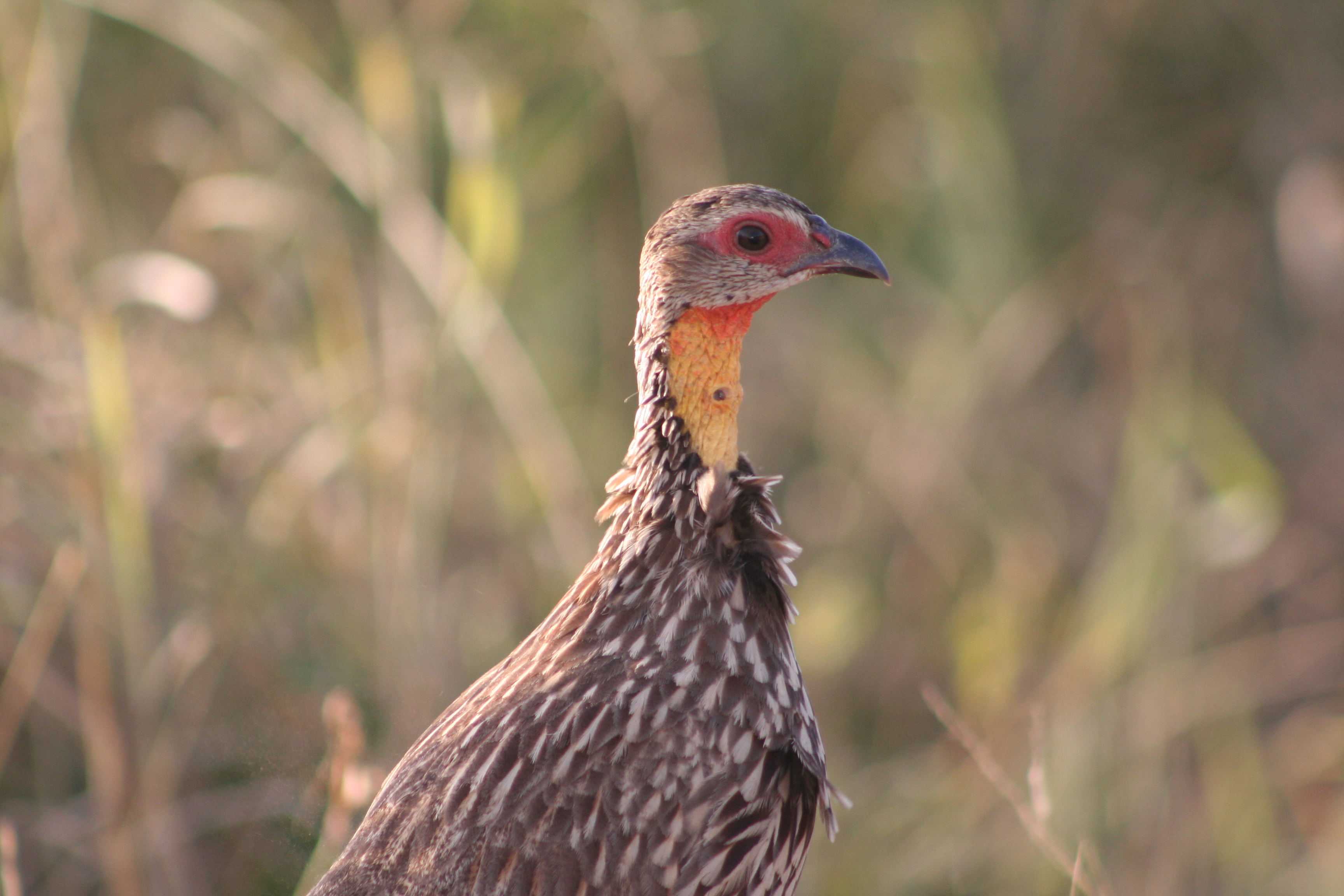
February 21, 2012: Yellow-necked Spurfowl (Francolinus leucoscepus)

Photo @ Joseph Aengwo

This groundbird is usually cryptically –coloured, though it is frequently spotted on the side of the drive ways in Tsavo West and East National Park, Amboseli ,Samburu and Meru National Park. It is  large francolin with a blackish bill, distinctive bare yellow throat and red-orange skin around the eyes. Brown upper parts have some narrow buff streaking, underparts  more heavily streaked brown and white. It should be a straight forward bird, and its identification shouldn’t be a problem as such.

February, 14 2012:African Jacana (Actophilornis africanus)

In Kenya, two species exist. African and Lesser Jacana. African Jacana which is our today subject of discussion is a diurnal bird which is a very common species in all wetland habitats and is widely distributed across the country.This birds are well-known for their ability to walk on floating vegetation , hence their commonly referred  “Jesus bird”.This adaptation is made possible by their extremely long toes with long straight claws.

Photo @ Tony Crocetta

Adult bird has a striking chestnut body colour with a bright blue frontal shield which extend to the bill. The front neck is white that covers the ear coverts and runs all the way to the breast, while the hind-neck is black. The species exhibit no sexual dimorphism.

Perhaps the most interesting phenomenon about African Jacana is their Polyandrous lifestyle where the responsibilities of incubating and bringing up the chicks are singularly done by the male. Ladies have good time here!!!

February 2, 2012: Greyish Eagle Owl (Bubo cenerascens)

This Greyish Eagle Owl was formerly classed as a race of Spotted Eagle Owl, with the latter found in the southern part of the equator , while former is located in northern part of the equator, this is as far as my Kenyan distribution knowledge is regarding this species.

It is a medium to large greyish (grayish) brown owl with dark eyes. Finely vermiculated above and densely so below with barring.

Greyish Eagle Owl, Photo @ Tony Crocetta

All my records of this species has been from Lake Baringo, Lake Bogoria National Reserve and  Kerio Valley. I have been informed of records from Samburu and Meru too.


Stay tuned as I return later next week from a tour and will be preparing a tour report, new photos, bird songs and much more!


– Joe,

have a happy birding week

January 23, 2012: Saddle-billed Stork (Ephippiorhynchus senegalensis)

Hello fellow birders!

I am off on a birding adventure for the next few weeks with some guests! I am armed with binoculars, a scope, a Canon Rebel XT, and a panasonic mp3 recorder, with which I hope to capture some special birding moments to share with you.

In the meantime, enjoy the Bird of the Week; this unique and beautiful stork.

One of the tallest species of storks is the Saddle-billed Stork, Ephippiorhynchus senegalensis, which stands up to 58 in. high. It has a large crimson bill with a black band and a triangular yellow frontal shield (or saddle), and has black legs with reddish joints. The overall coloring is black and white–the head, neck, tail and wing-coverts black, the remaining plumage and the flight feathers white. It breeds in sub-Saharan Africa, generally by rivers. The large nest is built of sticks in the tops of tall trees. It lays one egg. It feeds on grasshoppers, fish, frogs and lizards.

Photo © Tony Crocetta

They can either be found in solitary or pairs, they prefer moist habitat of lake shores, swamps and rivers. In Kenya they are widespread and be spotted in areas like Maasai Mara game reserve, Lake Baringo, Nakuru, Naivasha and Lake Victoria, Meru National Park and the coastal strip.

Birding Trip Reports

I’ve been updating the blog with new sections, including Birding Hotspots in Kenya and East Africa, which I will be updating throughout this week, as well as Birding Trip Reports. Below is the most recently added report from a non-birding tour I hosted over the holidays. Enjoy the Birds! Kenya may have turned my guests into birders!

On my recent trip with  two Canadians, which took  us to Maasai Mara National Reserve, Lake Baringo, Kaptagat Forest and Diani Beach, we managed to see 155 species, though they were not really serious birders as such. It was more of a Christmas holiday. I was however impressed of how many species came our way!!! Kenyan birdlife is impressive!!! Have a great birding new year. The photos were taken during this trip.

Species seen during the tour:

  1. Sooty Gull
  2. White Stork
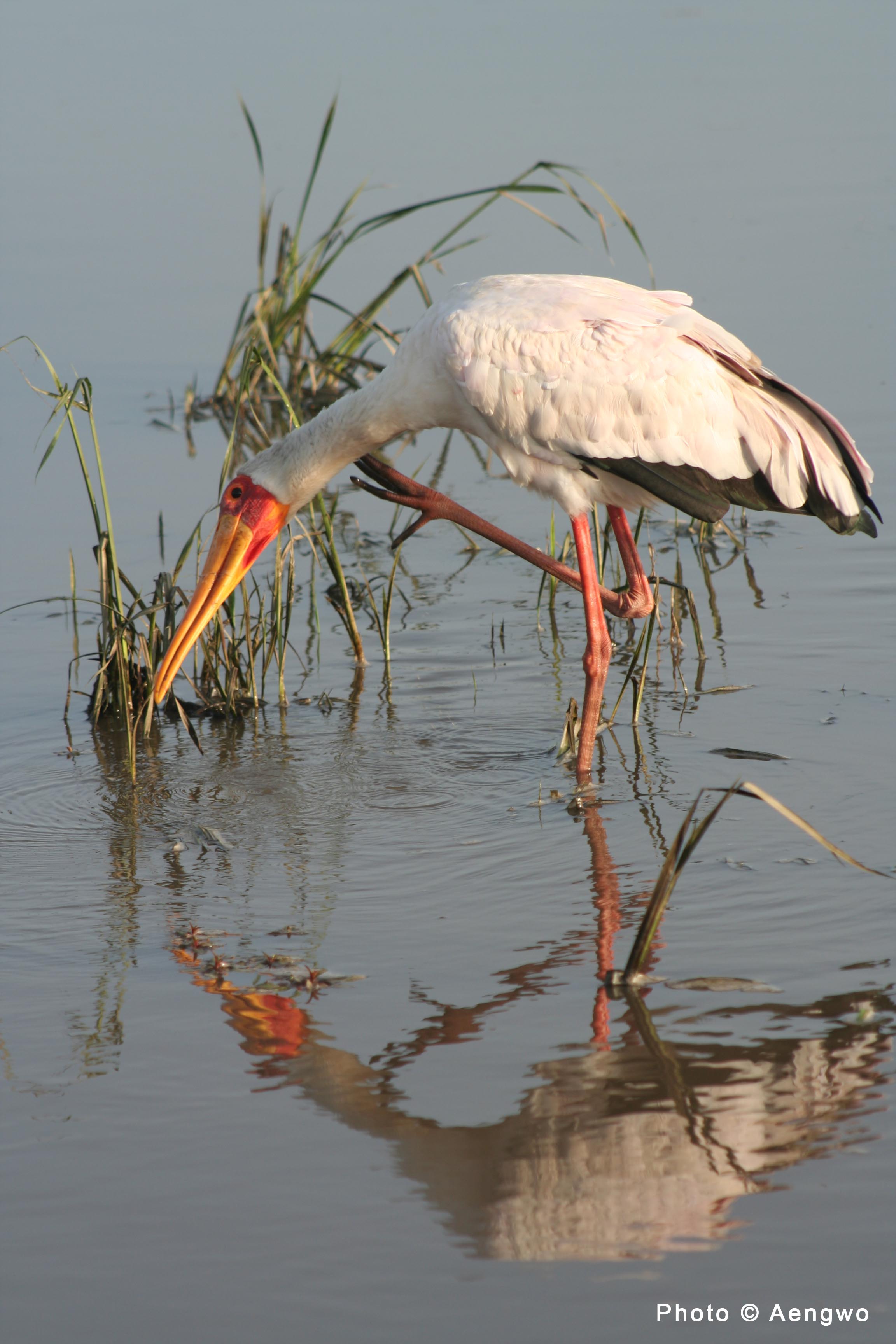
  3. Yellow-Billed Stork
    Yellow-Billed Stork in the Maasai Mara
  4. Woolly-necked Stork

    Wolly-necked Stork, Maasai Mara
  5. Saddle-billed Stork
  6. Black Stork
  7. African open-billed Stork
    African Open-billed Stork in Maasai Mara
  8. Grey crowned Crane
  9. Marabou Stork
  10. Glossy Ibis
  11. Sacred Ibis
  12. Hadada Ibis
    Hadada Ibis at Lake Baringo
  13. Lesser Flamingo
    Lesser Flamingo Lake Bogoria
  14. Greater Flamingo
    Greater Flamingo, Lake Bogoria
  15. Goliath Heron
    Goliath Heron, Maasai Mara
  16. Black-headed Heron
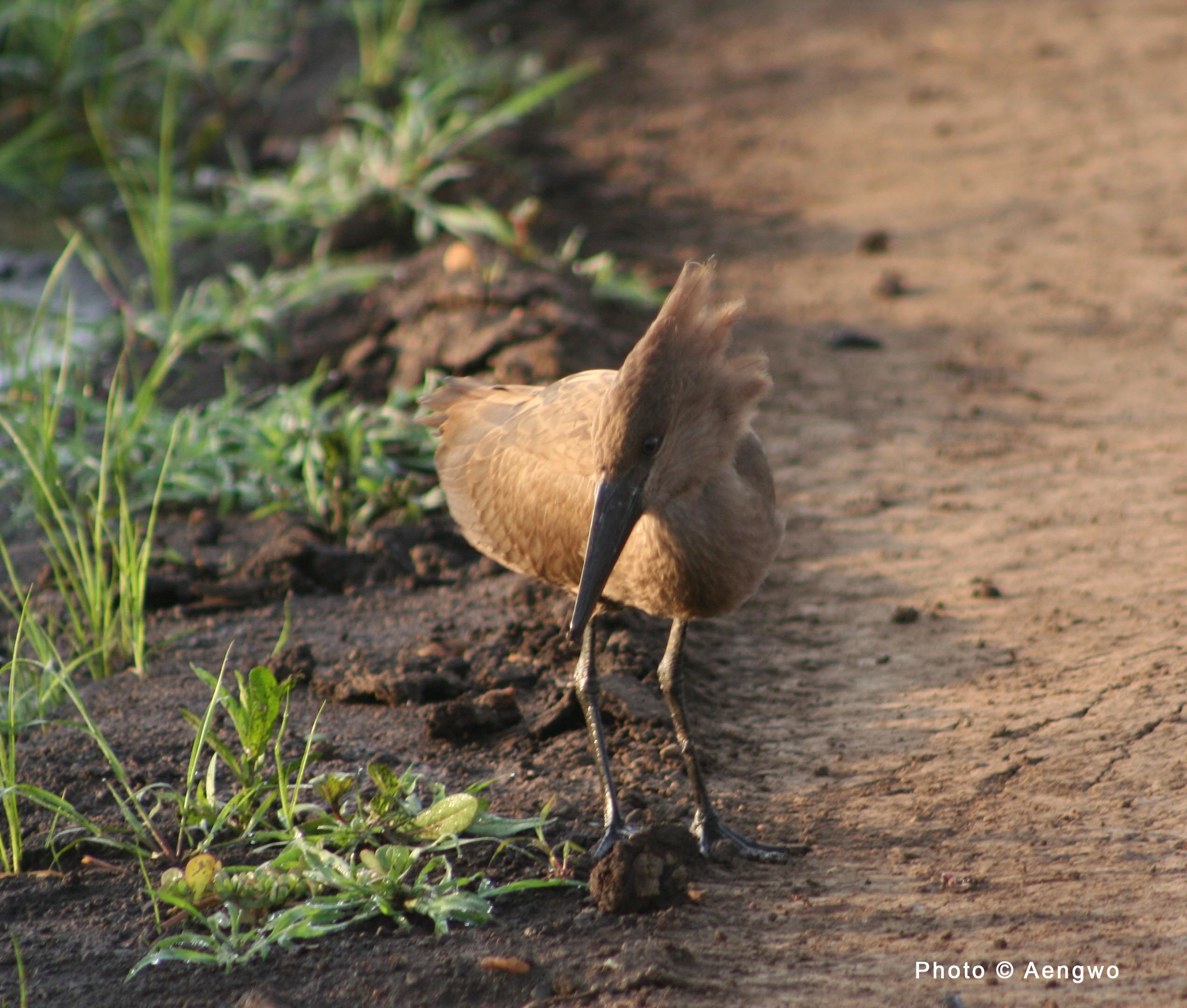
  17. Hammerkop
    Hammerkop, Maasai Mara
  18. Little Bittern
  19. Squacco Heron
    Squacco Heron, Lake Baringo
  20. Rufous-bellied Heron
  21. Green-backed Heron
  22. Great Egret
  23. Little Egret
  24. Cattle Egret
  25. Dimorphic Egret
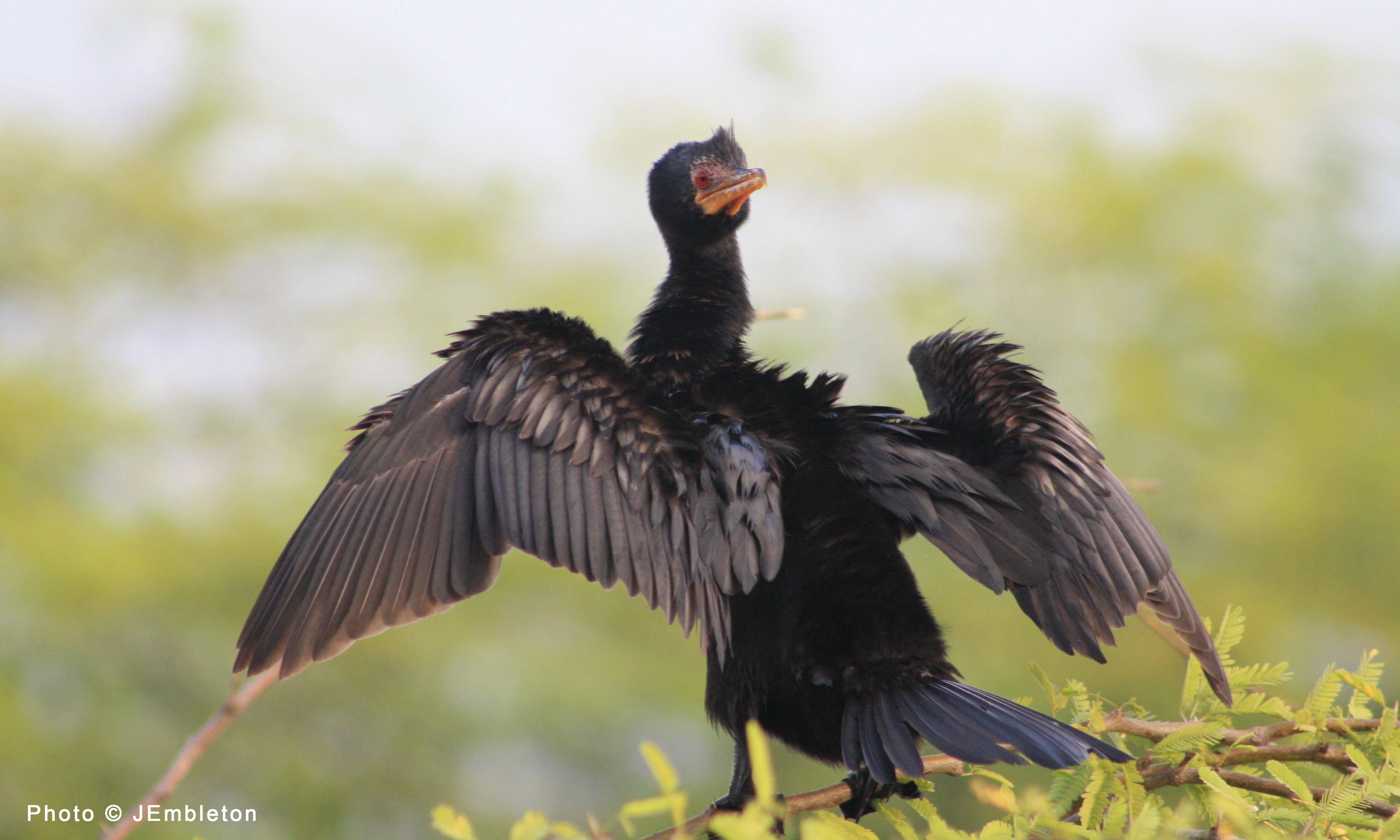
  26. Long-tailed Cormorant
    Long-tailed Cormorant, Lake Baringo
  27. African Darter

    African Dartar, Lake Baringo
  28. White-faced whistling Duck
  29. Knob-billed Duck
  30. Water Thick-knee
  31. Temminck’s Courser
  32. Black-winged Plover
  33. Senegal Plover
  34. Crowned Plover
  35. Blacksmith Plover
  36. Spur-winged Plover
  37. African wattled Plover
  38. Little ringed plover
  39. Common ringed plover
  40. Little Stint
  41. Temmink’s Stint
  42. Broad-billed Sandpiper
  43. Common Greenshank
  44. Mash Sandpiper
  45. Wood Sandpiper
  46. Green Sandpiper
  47. Whembrel
  48. Black-winged  Stilt
  49. African Jacana
    African Jacana, Maasai Mara
  50. Helmeted Guineafowl
  51. White-bellied Bustard
  52. Black-bellied Bustard
  53. Southern Ground Hornbill
    Southern Ground Hornbill, Maasai Mara
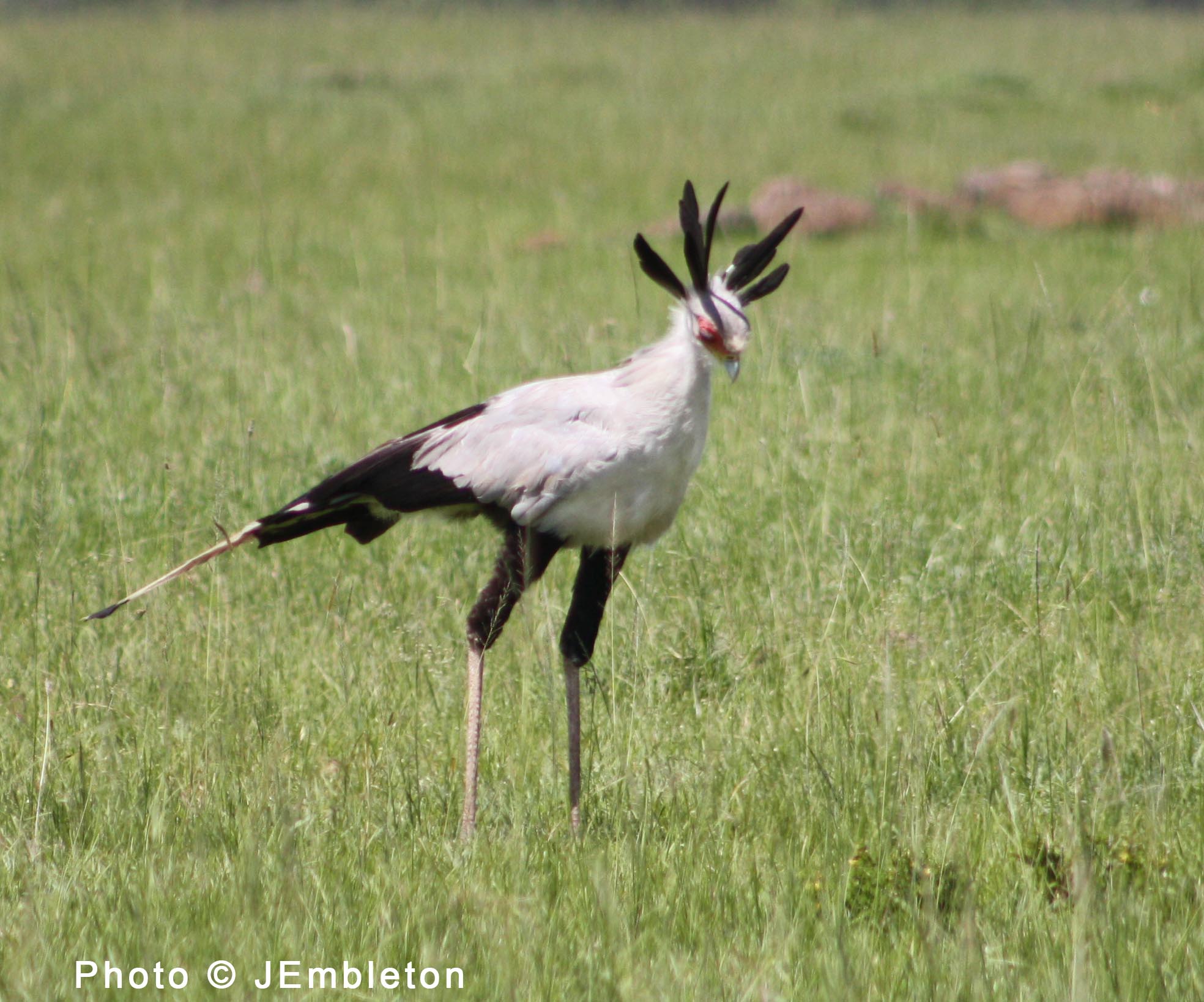
  54. Secretary Bird
    Secretary Bird, Maasai Mara
  55. Common Ostrich
  56. Ruppell’s Griffon Vulture
  57. African white-backed Vulture
  58. White-headed Vulture
  59. Lappet-faced Vulture
  60. Imperial Eagle
  61. Tawny Eagle
  62. Common Buzzard
  63. Augur Buzzard
  64. Osprey
  65. Martial Eagle
  66. Brown Snake Eagle
  67. African Fish Eagle
  68. Little Sparrowhawk
  69. Shikra
  70. Great Sparrowhawk
  71. Lizard Buzzard
  72. Long-crested Eagle
  73. Lanner Falcon
  74. Pygmy Falcon
  75. African Green Pigeon
    African Green Pigeon, Maasai Mara
  76. Namaqua Dove
  77. African Mourning Dove
  78. Laughing Dove
  79. Emerald-spotted wood Dove
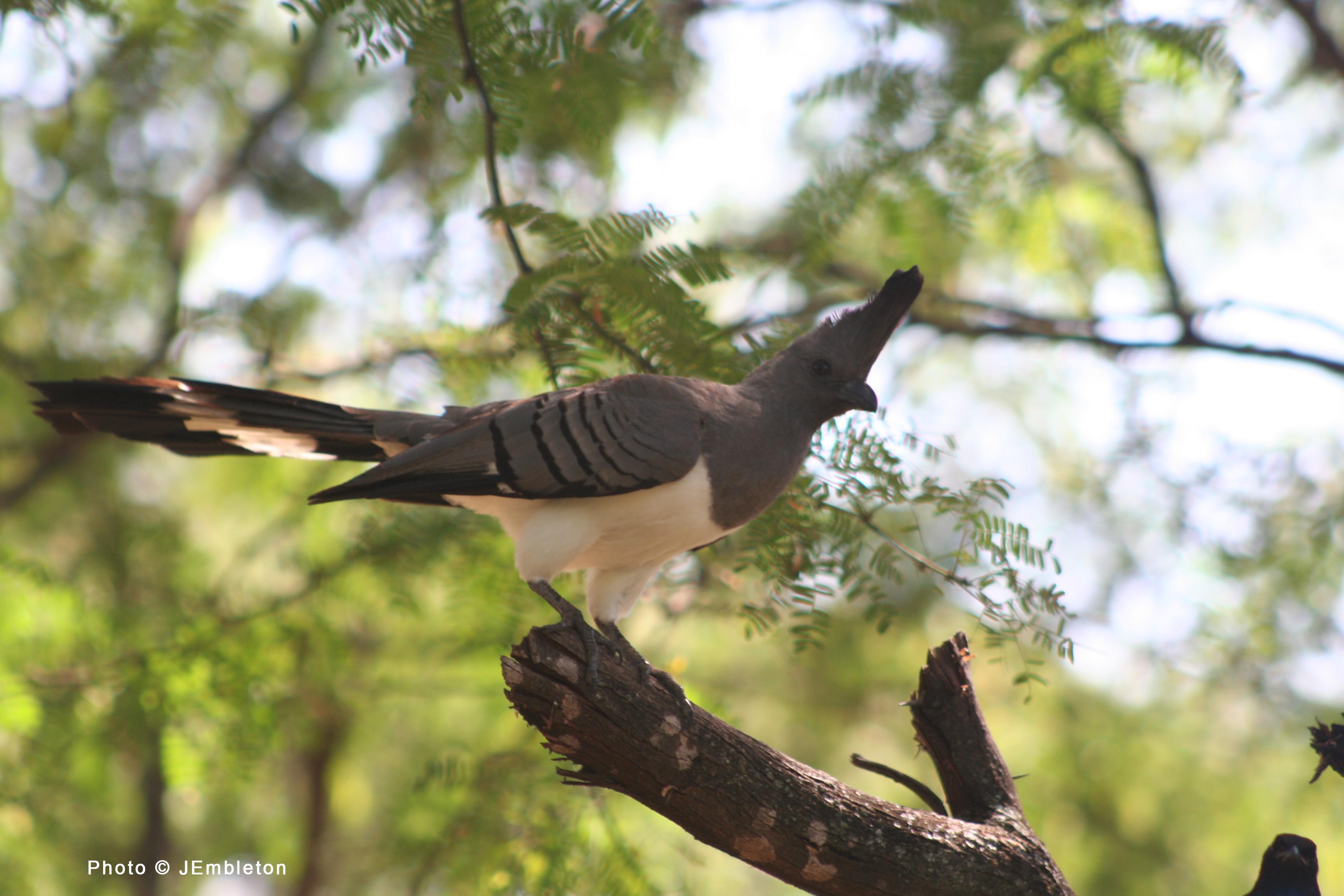
  80. White-bellied Go Away Bird
    White-bellied Go Away Bird, Lake Baringo
  81. Hartlaub’s Turaco
  82. Klaas’s Cuckoo
  83. Diedrik Cuckoo
  84. Black and white Cuckoo
  85. Blue-headed Coucal
  86. Slender-tailed Nightjar
  87. Blue-naped Mousebird
  88. Speckled Mousebird
  89. Malachite Kingfisher
    Malachite Kingfisher, Lake Baringo
  90. Woodland Kingfisher
  91. Pied Kingfisher
    Pied Kingfisher, Lake Baringo
  92. Little Bee-eater
  93. Blue-cheeked Bee-eater
  94. Lilac-breasted Roller
    Lilac-Breasted Roller, Maasai Mara
  95. African Hoopoe
  96. Green Wood-Hoopoe
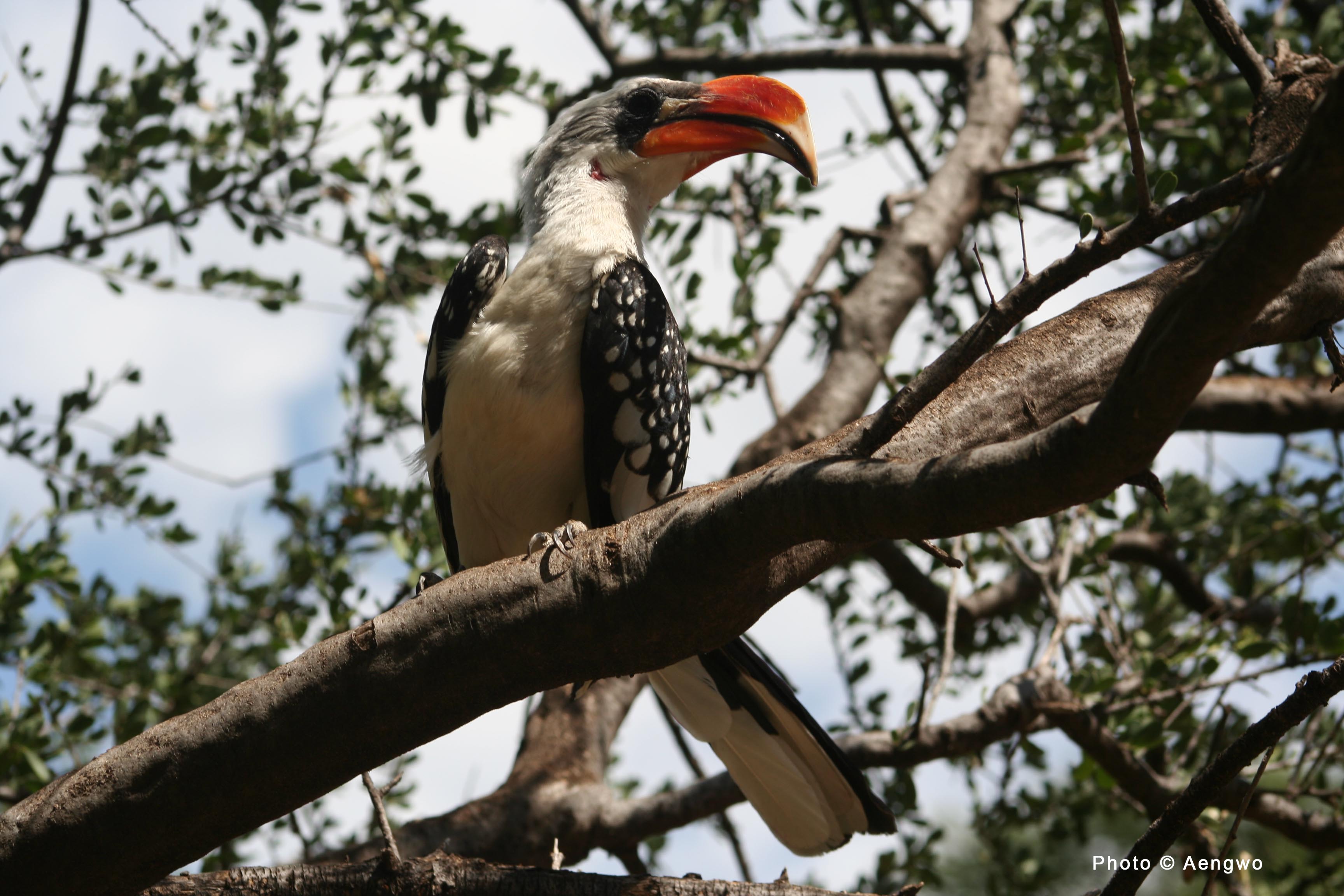
  97. Jackson’s Hornbill
    Jackson’s Hornbill, Lake Baringo
  98. Red-billed Hornbill
  99. Green Barbet
  100. White-eared Barbet
  101. Red-fronted Barbet
  102. Black-throated Barbet
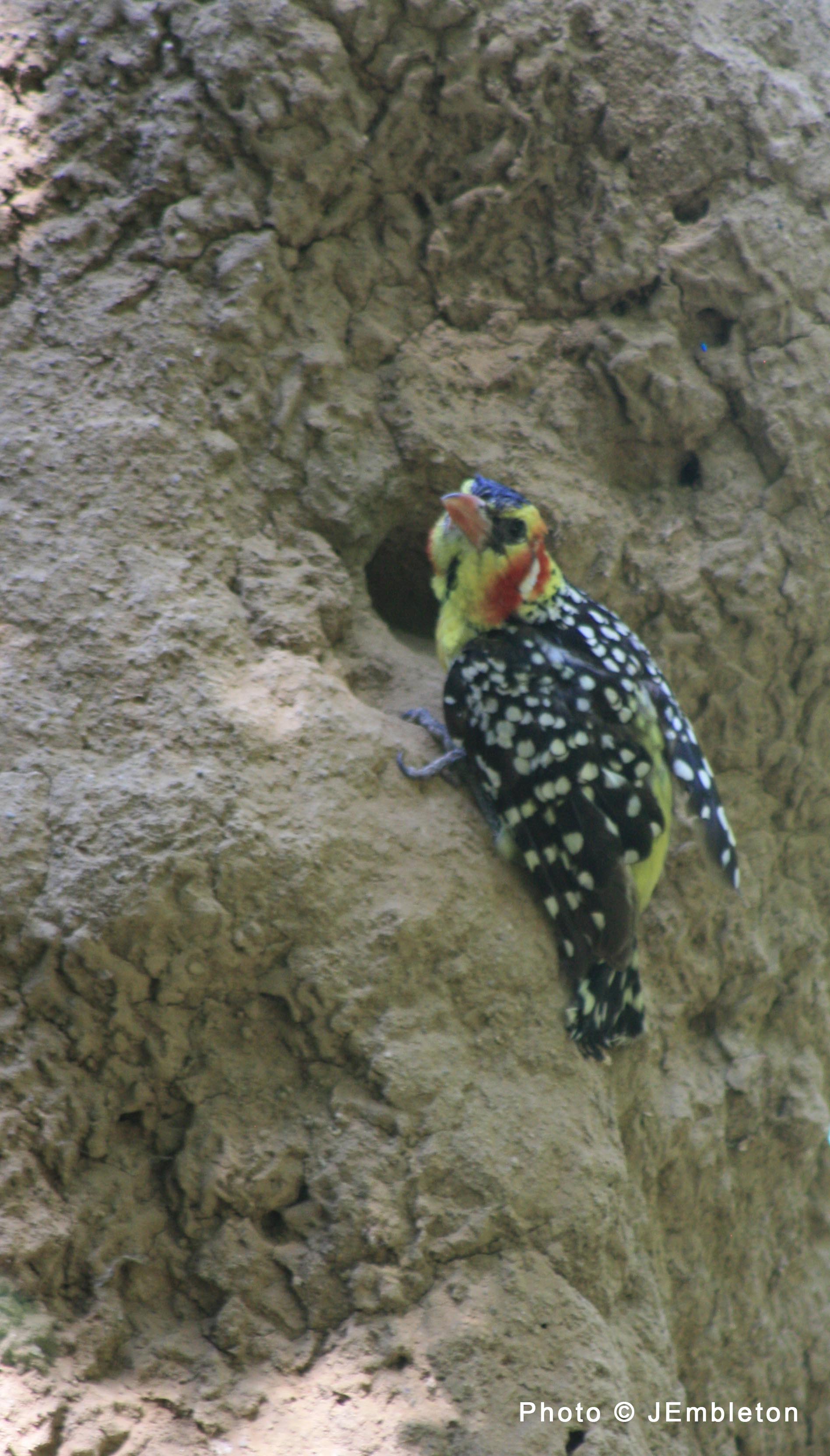
  103. Red and Yellow Barbet
    Red and Yellow Barbet, Lake Baringo
  104. Grey Woodpecker
  105. Nubian Woodpecker
  106. Lesser Honey guide
  107. Rosy-breasted Longclaw
  108. Yellow-throated Longclaw
  109. Grassland Pipit
  110. Rufous-naped Lark
  111. Common Bulbul
  112. Ruppell’s Long-tailed Starling
  113. Superb Starling
  114. Bristle-crowned Starling
  115. Black-headed Oriole
  116. Pied Crow
  117. House Crow
  118. Brubru
  119. Three-streaked Tchagra
  120. Northern Puffback
  121. Grey-headed Bush-shrike
  122. Northern-white crowned Shrike
  123. Pygmy Batis
  124. African-grey Flycatcher
  125. African Paradise Flycatcher
  126. Brown Babbler
  127. White-Browed Scrub Robin
  128. Winding Cisticola
  129. Rattling Cisticola
  130. Siffling  Cisticola
  131. Zitting Cisticola
  132. Yellow-breasted Apalis
  133. Red-fronted Warbler
  134. Grey Wren Warbler
  135. Beautiful Sunbird
  136. Hunters Sunbird
  137. Eastern Violet-backed Sunbird
  138. Grey-headed Sparrow
  139. White-billed Buffalo-Weaver
  140. White-headed Buffalo-Weaver
  141. Pin-tailed Whydah
  142. Hartlaub’s Mash Widowbird
  143. Fan-tailed Widowbird
  144. Jackson’s Golden-backed Weaver
  145. Northern-masked Weaver
  146. Lesser-Masked Weaver
  147. Red-cheeked Cordon-Blue
  148. Purple Grenadier
  149. Green-winged Pytilia
  150. Red-billed Firefinch
    Red-billed Firefinch, Lake Baringo
  151. African Citril
  152. White-bellied Canary
  153. Yellow-crowned Canary
  154. Dark Chanting Goshawk

    Dark Chanting Goshawk, Lake Baringo
  155. Spotted morning Thrush

    Spotted Morning Thrush, Lake Baringo

January 8, 2012: Lilac-Breasted Roller (Coracias caudata)

The average size of the Lilac Breasted Roller is 14.5 inches, including the tail streamers. The washed green head is large, the neck is short, the greenish yellow legs are rather short and the feet are small. The beak is strong, arched and hooked-tipped. The tail is narrow and of medium length. The back and scapulars are brown. The shoulder of the wing, outer webs of the flight feathers and the rump are all violet. The bases of the primaries and their coverts are pale greenish blue and the outer tail feathers are elongated and blackish. The chin is whitish, shading to rich lilac of the breast. The underparts are greenish blue. The bill is black and the eyes are brown. It has large wings and strong flight.

Lilac-breasted roller is most cases seen hunting for its food which may range from grasshoppers, beetles and small amphibians. Great photographic chances are found when the bird is foraging in the ground.

It is the most commonly seen roller. It well distributed in Samburu, Lake Baringo and Bogoria, Nakuru, Masai Mara, Amboseli, Nairobi and Tsavo National Park.