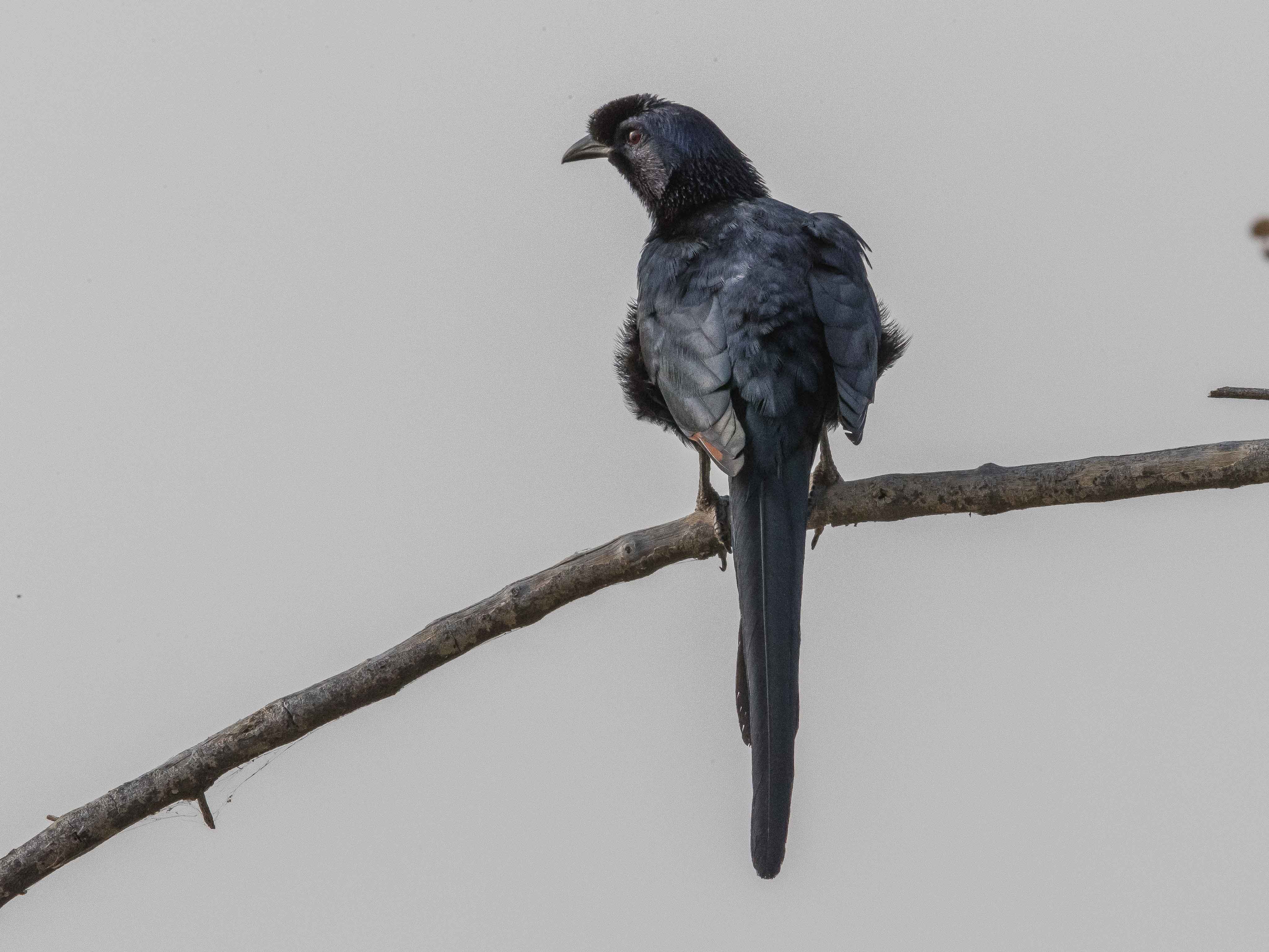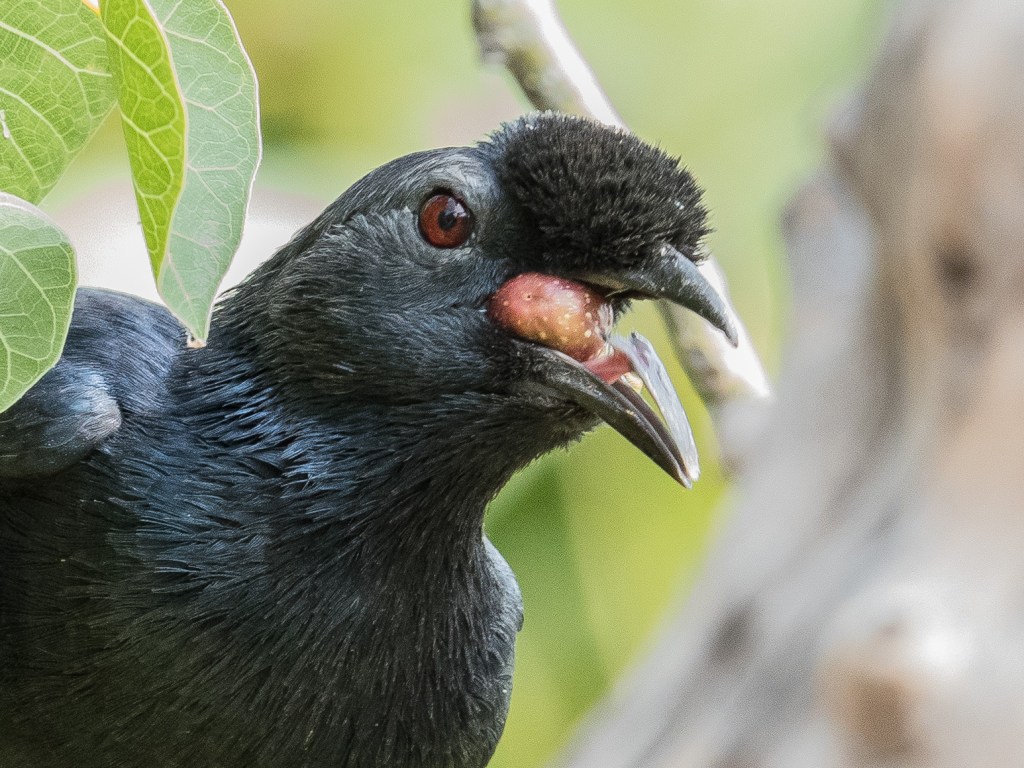


Bee-eaters are known chiefly for their graceful aerial pursuit of large insect. They birds that inhabit warm,sunny lowland grassland, dry woodland or forest edges. Bee-eaters are closely related to kingfishers and motmot.
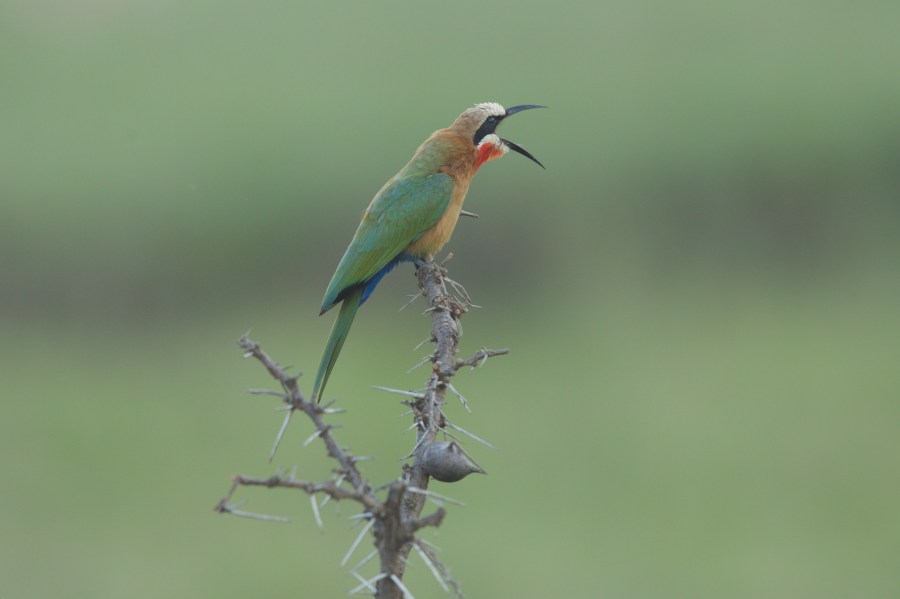
Kenya’s impressive bird life offers plenty to interest both ornithologists and people who simply want to enjoy the diversity and colours, and for this alone, White-fronted Bee-eater is up there! The colored plumage is just a sight to behold!. These birds are also photogenic and very active and engaging mostly in the early hours of the morning or late afternoon.
Bee-eaters are social birds, occurring in pairs, small groups, or large foraging and breeding colonies.They forage from high vintage points including tree-tops,roadside wire, and telegraph poles,where they intently watch the area around and above them and dash out on swooping,gliding flights to grab passing insects.
In savannas where there are few high perches,several species, especially Carmine Bee-eater, sit on the backs of Kori Bustard (Ardeotis kori) and occasionally antelopes or larger animals, which also undoubtedly assist with flushing insects.


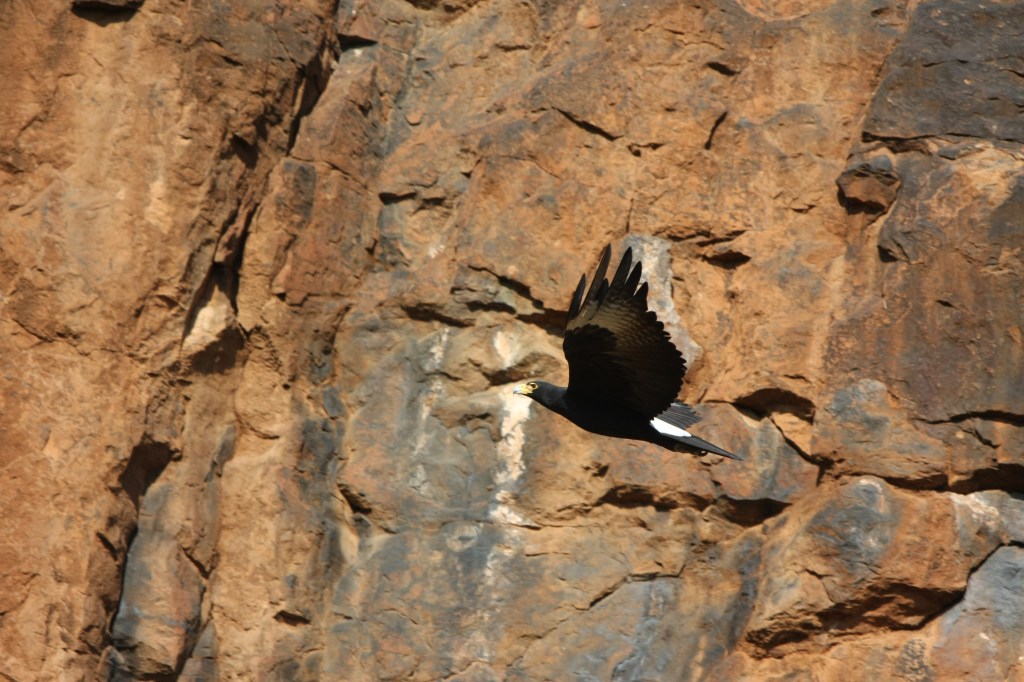


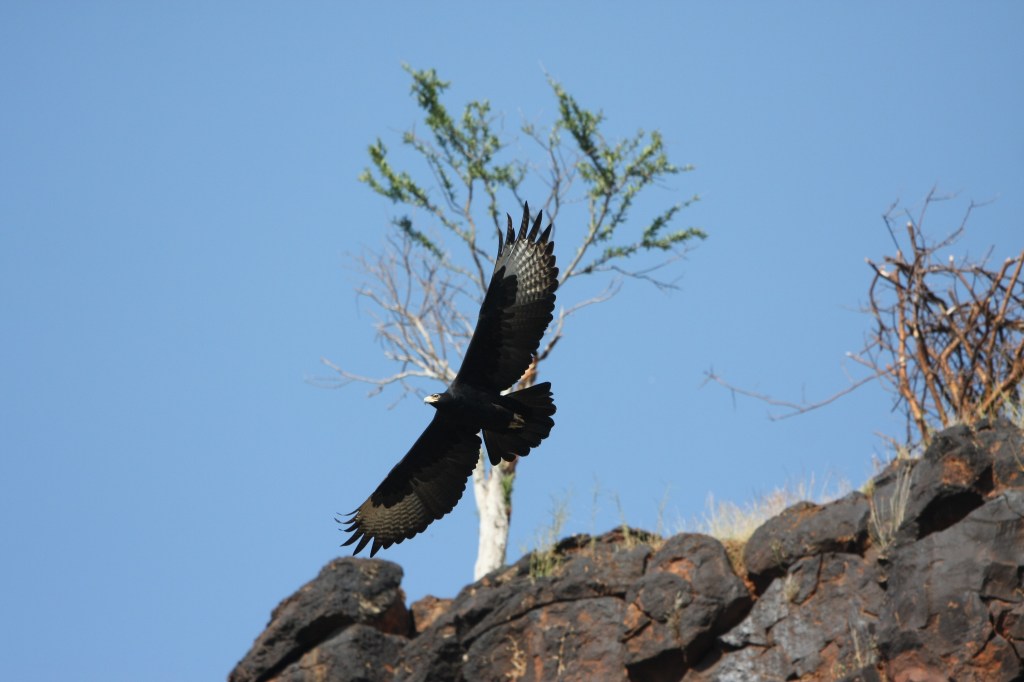


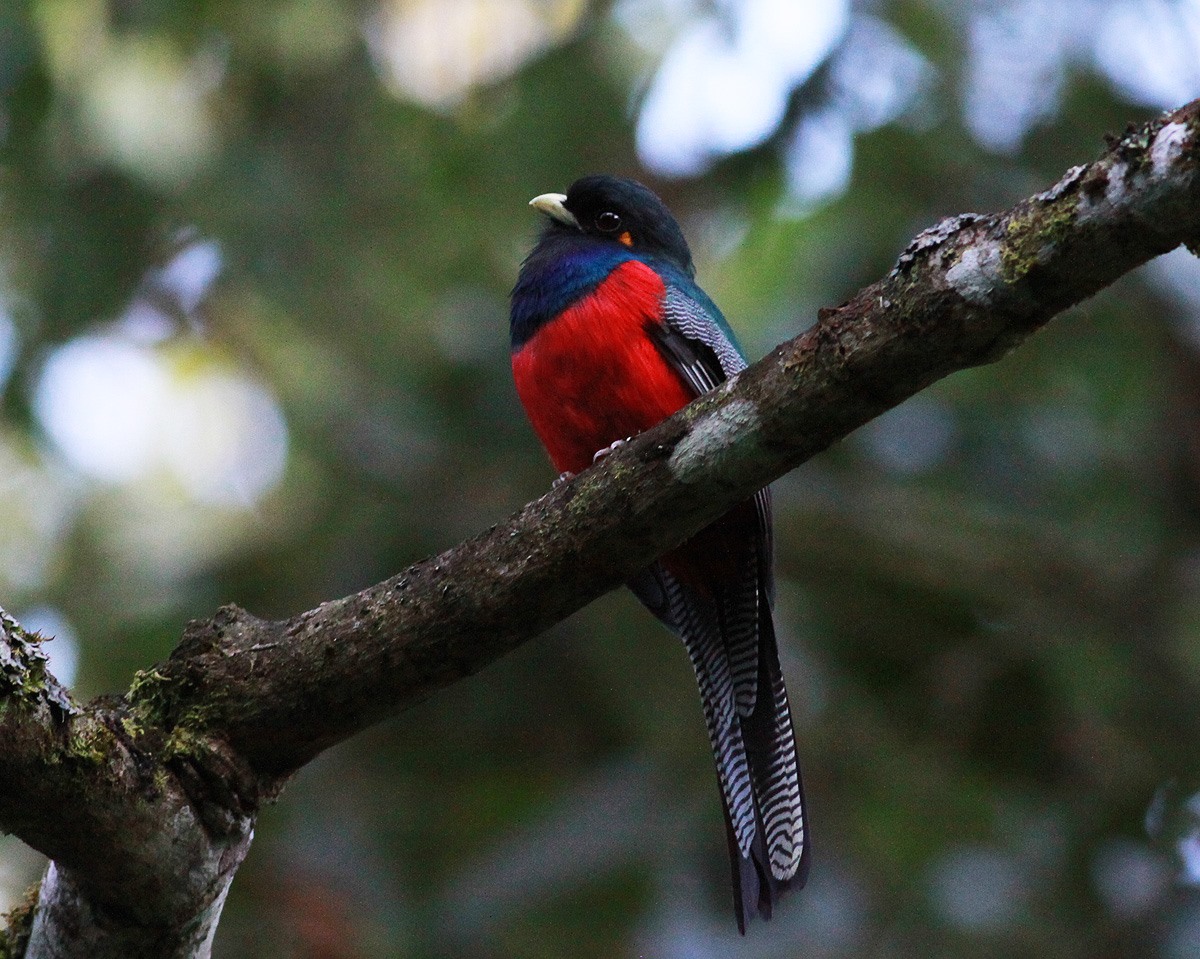
 Our bird of the week is the Grey Woodpecker, race rhodeogaster, which is sometimes considered conspecific with the Ethiopian spodocephalus and known as Grey-headed Woodpecker. This species species was photographed around central Kenya.